

30 September 2025
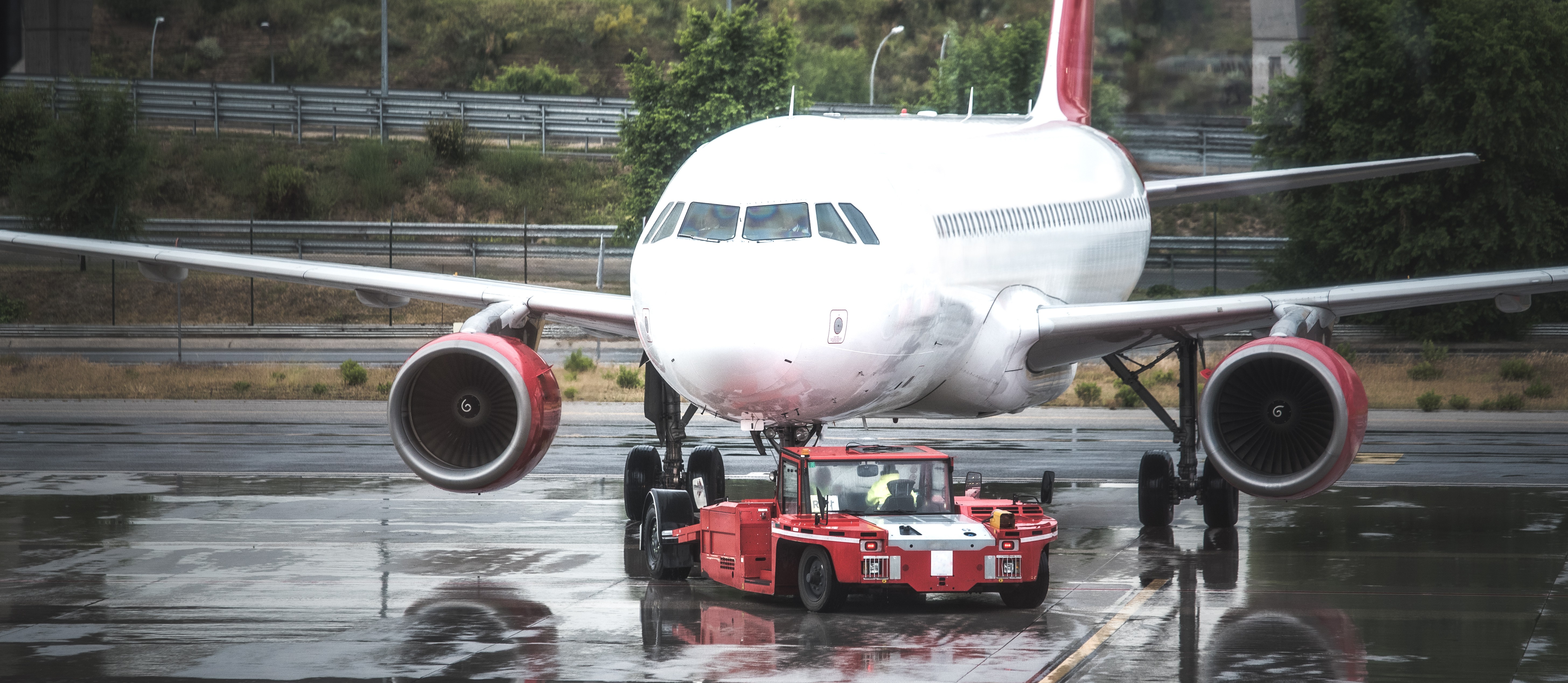
To decarbonize air travel and create new green industries, Malaysia is boosting its investment in sustainable aviation, a move announced by Deputy Prime Minister Datuk Seri Fadillah Yusof. The country's first biomass-based Sustainable Aviation Fuel (SAF) facility has been introduced which is scheduled to be operational by 2027.
Fadillah, who delivered the Prime Minister's keynote, mentioned that half of the tourism sector's direct output depends on the aviation emissions which makes the multilateral cooperation crucial. However, the global output of curb emissions is very low, Sustainable Aviation Fuel (SAF), made out of waste oils and agricultural residues, acts as a key tool.
Malaysia’s megadiverse ecosystems like rainforests and coral reefs can be protected by environmental stewardship, which is the overall tourism strategy. Fadillah highlighted the prioritization of nature-based tourism, citing Mersing, Johor, which is set to host Malaysia's first UN Tourism-recognised sustainable tourism observatory.
The call for innovation and change in the tourism sector has been reinforced by the Tourism Minister Datuk Seri Tiong King Sing. He also mentioned that "Sustainable, inclusive transformation is not optional but essential" and highlighted models like Miso Walai Homestay in Sabah and Penang's conservation efforts.
Malaysia's biomass-based SAF facility (operational by 2027) combined with the Mersing UN Tourism sustainable-tourism observatory positions the country to advance across both supply-side (SAF production) and demand-side (nature-based tourism attracting sustainability-conscious travellers) dimensions simultaneously. Half of tourism-sector output being aviation-linked makes SAF adoption strategically essential rather than optional.
Nature-based tourism anchored in Malaysia's megadiverse ecosystems - rainforests, coral reefs, community-based initiatives like Miso Walai Homestay - captures a growing premium segment. Sustainability-conscious international travellers increasingly select destinations on environmental credentials, particularly Northern European and North American markets with high per-capita travel spend.
For airlines, tourism operators, SAF producers and financial institutions supporting Southeast Asian sustainable-tourism investment, Cognitud's climate action, nature-based solutions and supply chain and operations teams help clients evaluate SAF sourcing and nature-based tourism opportunities, structure sustainability-linked commercial arrangements, and prepare disclosures aligned with GSTC, CORSIA and jurisdictional tourism-sustainability frameworks that increasingly determine competitive positioning in ASEAN travel markets.

• 𝘛𝘩𝘦 𝘜𝘈𝘌 𝘍𝘰𝘰𝘥 𝘉𝘢𝘯𝘬 𝘢𝘯𝘥 𝘋𝘶𝘣𝘢𝘪’𝘴 𝘊𝘰𝘮𝘮𝘶𝘯𝘪𝘵𝘺 𝘋𝘦𝘷𝘦𝘭𝘰𝘱𝘮𝘦𝘯𝘵 𝘈𝘶𝘵𝘩𝘰𝘳𝘪𝘵𝘺 (𝘊𝘋𝘈) 𝘩𝘢𝘷𝘦 𝘴𝘪𝘨𝘯𝘦𝘥 𝘢𝘯 𝘢𝘨𝘳𝘦𝘦𝘮𝘦𝘯𝘵 𝘵𝘰 𝘤𝘰𝘭𝘭𝘦𝘤𝘵 𝘢𝘯𝘥 𝘳𝘦𝘥𝘪𝘴𝘵𝘳𝘪𝘣𝘶𝘵𝘦 𝘴𝘶𝘳𝘱𝘭𝘶𝘴 𝘧𝘰𝘰𝘥 𝘧𝘳𝘰𝘮 𝘸𝘦𝘥𝘥𝘪𝘯𝘨𝘴 𝘢𝘯𝘥 𝘦𝘷𝘦𝘯𝘵𝘴. • 𝘛𝘩𝘦 𝘪𝘯𝘪𝘵𝘪𝘢𝘵𝘪𝘷𝘦 𝘸𝘪𝘭𝘭 𝘧𝘰𝘭𝘭𝘰𝘸 𝘢𝘱𝘱𝘳𝘰𝘷𝘦𝘥…
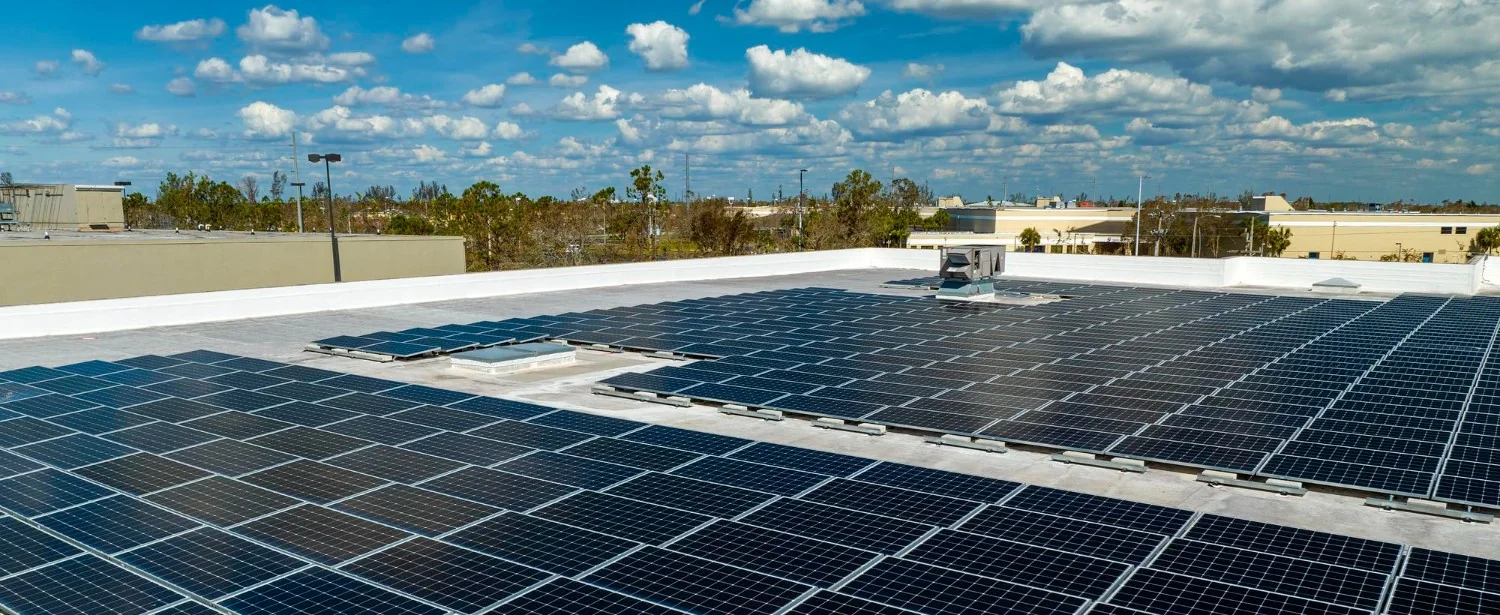
<ul><li><i>India’s rooftop solar capacity reached 30.7 GW in July 2026, increasing the need for better grid management and flexibility.</i></li><li><i>Kerala and Maharashtra are exploring battery ener…

• 𝘛𝘩𝘦 𝘌𝘐𝘉 𝘎𝘳𝘰𝘶𝘱 𝘱𝘭𝘢𝘯𝘴 𝘵𝘰 𝘱𝘳𝘰𝘷𝘪𝘥𝘦 𝘢𝘵 𝘭𝘦𝘢𝘴𝘵 €30 𝘣𝘪𝘭𝘭𝘪𝘰𝘯 𝘧𝘰𝘳 𝘤𝘭𝘪𝘮𝘢𝘵𝘦 𝘢𝘥𝘢𝘱𝘵𝘢𝘵𝘪𝘰𝘯 𝘣𝘦𝘵𝘸𝘦𝘦𝘯 2026 𝘢𝘯𝘥 2030. • 𝘛𝘩𝘦 𝘯𝘦𝘸 𝘵𝘢𝘳𝘨𝘦𝘵 𝘥𝘰𝘶𝘣𝘭𝘦𝘴 𝘢𝘥𝘢𝘱𝘵𝘢𝘵𝘪𝘰𝘯 𝘧𝘪𝘯𝘢𝘯𝘤𝘪𝘯𝘨 𝘤𝘰𝘮𝘱𝘢𝘳𝘦𝘥 𝘸𝘪𝘵𝘩 𝘵𝘩𝘦 𝘱𝘳𝘦𝘷𝘪𝘰𝘶𝘴 𝘧𝘪𝘷𝘦-𝘺𝘦𝘢𝘳 𝘱𝘦𝘳𝘪𝘰𝘥. • 𝘍𝘶𝘯𝘥𝘪𝘯𝘨…