

.jpg)
11 December 2025
Mexico’s 2026 fiscal budget, approved in November, promises bold commitments to renewable energy, climate adaptation and environmental protection. But a closer look reveals that much of the so-called climate spending is being funneled into oil, gas, defense and infrastructure projects - inflating Mexico’s environmental commitments on paper while delivering far less in reality.
Budget documents show that funds categorized under climate change and energy transition frequently have little to do with decarbonization. Instead, they include allocations for national defense, railway expansion, hydrocarbon coordination and diesel-powered transportation systems. Analysts say these misclassifications significantly exaggerate Mexico’s actual climate investment.
“Climate action hasn’t been prioritized,” said Anaid Velasco Ramírez of the Mexican Center for Environmental Law, warning that major portions of the national budget still support high-emission activities, especially in the energy sector.
President Claudia Sheinbaum, who built her political image on climate science and renewable energy advocacy, now faces criticism for pursuing new oil exploration even as she promotes a clean energy transition.
Although the government earmarked 17.9 billion pesos ($983 million) for its Energy Transition National Strategy and 212.6 billion pesos ($11.7 billion) for climate adaptation and mitigation, those amounts pale in comparison to the 517.4 billion pesos ($28.4 billion) dedicated to state oil giant Pemex.
Researchers say that of the 212.6 billion pesos designated as climate spending, only about 50 billion pesos - roughly 24% - is plausibly linked to genuine mitigation or adaptation efforts. For the Energy Transition National Strategy, only about 5.5 billion pesos of the 17.9 billion pesos appears truly renewable-energy related.
Some items are double-counted, such as 744 million pesos ($40.9 million) for the controversial Tren Maya railway, inflating climate spending totals without increasing actual investment. Critics argue this indicates a lack of transparency in budget design.
Meanwhile, funding for Mexico’s environmental protection agencies is set to decline by 6%, with the Ministry of Environment and Natural Resources facing a 4% budget cut. Renewable energy generation has also slipped - from supplying 15% of national electricity before 2018 to just 11% today.
Experts warn that Mexico’s current trajectory undermines its ability to meet its clean energy goals. To reach the target of 45% clean energy by 2030, investments must approximately double - starting immediately.
“It’s basically empty words,” Velasco said. “The planet will keep warming, and communities will continue to face escalating risks while fossil fuel projects take priority.”
Green-budget classification scrutiny raises the credibility bar for sovereign and corporate use-of-proceeds disclosure, and it will directly shape how green-bond markets evaluate issuer claims from Mexico and comparable jurisdictions. Our responsible-investment and ESG-strategy teams help clients build ICMA-aligned use-of-proceeds narratives that withstand scrutiny.

• 𝘛𝘩𝘦 𝘜𝘈𝘌 𝘍𝘰𝘰𝘥 𝘉𝘢𝘯𝘬 𝘢𝘯𝘥 𝘋𝘶𝘣𝘢𝘪’𝘴 𝘊𝘰𝘮𝘮𝘶𝘯𝘪𝘵𝘺 𝘋𝘦𝘷𝘦𝘭𝘰𝘱𝘮𝘦𝘯𝘵 𝘈𝘶𝘵𝘩𝘰𝘳𝘪𝘵𝘺 (𝘊𝘋𝘈) 𝘩𝘢𝘷𝘦 𝘴𝘪𝘨𝘯𝘦𝘥 𝘢𝘯 𝘢𝘨𝘳𝘦𝘦𝘮𝘦𝘯𝘵 𝘵𝘰 𝘤𝘰𝘭𝘭𝘦𝘤𝘵 𝘢𝘯𝘥 𝘳𝘦𝘥𝘪𝘴𝘵𝘳𝘪𝘣𝘶𝘵𝘦 𝘴𝘶𝘳𝘱𝘭𝘶𝘴 𝘧𝘰𝘰𝘥 𝘧𝘳𝘰𝘮 𝘸𝘦𝘥𝘥𝘪𝘯𝘨𝘴 𝘢𝘯𝘥 𝘦𝘷𝘦𝘯𝘵𝘴. • 𝘛𝘩𝘦 𝘪𝘯𝘪𝘵𝘪𝘢𝘵𝘪𝘷𝘦 𝘸𝘪𝘭𝘭 𝘧𝘰𝘭𝘭𝘰𝘸 𝘢𝘱𝘱𝘳𝘰𝘷𝘦𝘥…
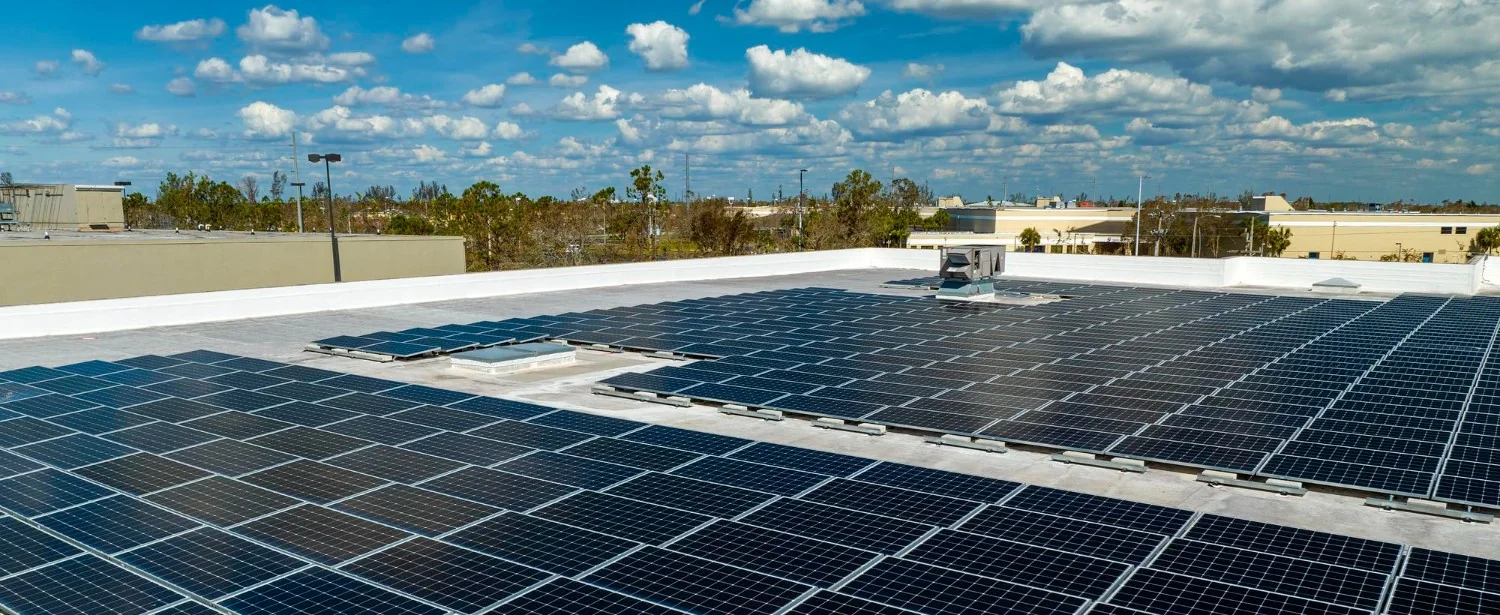
<ul><li><i>India’s rooftop solar capacity reached 30.7 GW in July 2026, increasing the need for better grid management and flexibility.</i></li><li><i>Kerala and Maharashtra are exploring battery ener…
• 𝘛𝘩𝘦 𝘌𝘐𝘉 𝘎𝘳𝘰𝘶𝘱 𝘱𝘭𝘢𝘯𝘴 𝘵𝘰 𝘱𝘳𝘰𝘷𝘪𝘥𝘦 𝘢𝘵 𝘭𝘦𝘢𝘴𝘵 €30 𝘣𝘪𝘭𝘭𝘪𝘰𝘯 𝘧𝘰𝘳 𝘤𝘭𝘪𝘮𝘢𝘵𝘦 𝘢𝘥𝘢𝘱𝘵𝘢𝘵𝘪𝘰𝘯 𝘣𝘦𝘵𝘸𝘦𝘦𝘯 2026 𝘢𝘯𝘥 2030. • 𝘛𝘩𝘦 𝘯𝘦𝘸 𝘵𝘢𝘳𝘨𝘦𝘵 𝘥𝘰𝘶𝘣𝘭𝘦𝘴 𝘢𝘥𝘢𝘱𝘵𝘢𝘵𝘪𝘰𝘯 𝘧𝘪𝘯𝘢𝘯𝘤𝘪𝘯𝘨 𝘤𝘰𝘮𝘱𝘢𝘳𝘦𝘥 𝘸𝘪𝘵𝘩 𝘵𝘩𝘦 𝘱𝘳𝘦𝘷𝘪𝘰𝘶𝘴 𝘧𝘪𝘷𝘦-𝘺𝘦𝘢𝘳 𝘱𝘦𝘳𝘪𝘰𝘥. • 𝘍𝘶𝘯𝘥𝘪𝘯𝘨…