

29 May 2026
Mexico is deepening its international sustainability agenda through expanded cooperation with Germany on climate action, water security, circular economy initiatives, and social inclusion policies.
During a high-level visit by German Environment Minister Carsten Schneider, Mexican authorities highlighted a series of joint initiatives aimed at strengthening climate resilience, environmental protection, and sustainable development across the country. Central to the discussions was Mexico’s growing focus on integrating social justice, gender equity, and environmental policy into its climate strategy.
Mexico’s Environment Ministry (SEMARNAT) presented the new Strategic Plan on Gender, Human Rights and Climate Change, developed with support from German cooperation agencies. The framework is designed to strengthen implementation of Mexico’s updated climate commitments while addressing the disproportionate impacts of climate change on vulnerable populations, Indigenous communities, and rural regions.
Mexican officials also emphasized progress on circular economy cooperation following the country’s recent declaration with the European Union to tackle climate change, biodiversity loss, and pollution while supporting sustainable economic growth and job creation.
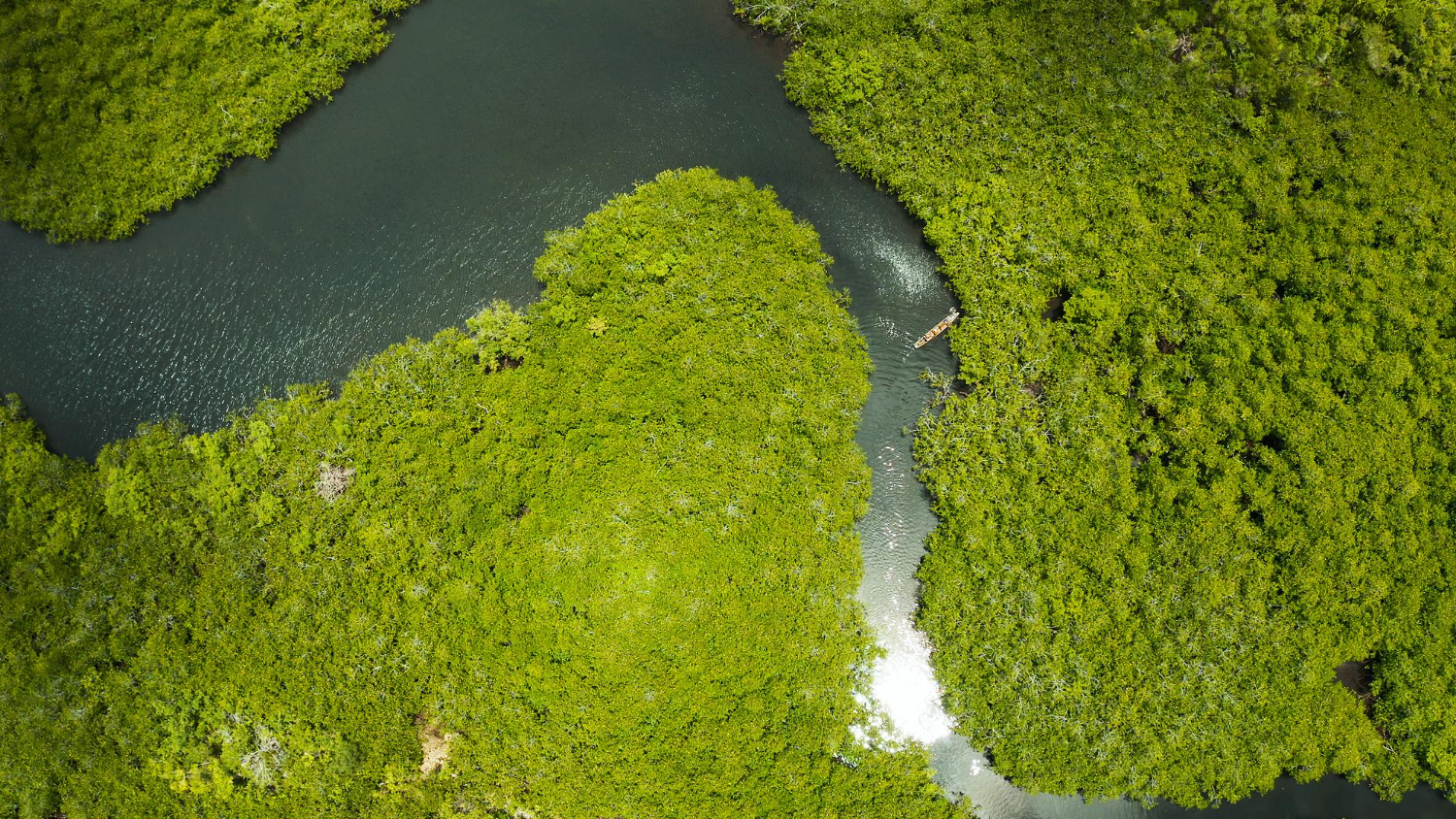
Water security emerged as another major focus during the visit. Authorities from Mexico City, SEMARNAT, and water agencies showcased ongoing projects in Xochimilco, highlighting the ecological importance of the region’s traditional chinampa farming system and its role in biodiversity conservation and climate adaptation.
Mexico additionally introduced the “Goals for Water” initiative linked to the 2026 FIFA World Cup, which will use digital campaigns to encourage responsible water use among visitors and promote broader sustainability awareness during the global sporting event.
Officials from both countries stressed that international collaboration remains critical as climate risks intensify. Mexican authorities noted that the partnership supports broader national efforts to strengthen ecosystem restoration, improve water resilience, and expand nature-based solutions as part of the country’s long-term sustainable development strategy.
Mexico-Germany water-and-climate cooperation opens genuine technology-transfer avenues, particularly in water treatment, renewable energy and industrial decarbonisation. Our market-intelligence and ESG-strategy teams help clients evaluate what these bilateral frameworks mean for cross-border investment and disclosure.

• 𝘛𝘩𝘦 𝘜𝘈𝘌 𝘍𝘰𝘰𝘥 𝘉𝘢𝘯𝘬 𝘢𝘯𝘥 𝘋𝘶𝘣𝘢𝘪’𝘴 𝘊𝘰𝘮𝘮𝘶𝘯𝘪𝘵𝘺 𝘋𝘦𝘷𝘦𝘭𝘰𝘱𝘮𝘦𝘯𝘵 𝘈𝘶𝘵𝘩𝘰𝘳𝘪𝘵𝘺 (𝘊𝘋𝘈) 𝘩𝘢𝘷𝘦 𝘴𝘪𝘨𝘯𝘦𝘥 𝘢𝘯 𝘢𝘨𝘳𝘦𝘦𝘮𝘦𝘯𝘵 𝘵𝘰 𝘤𝘰𝘭𝘭𝘦𝘤𝘵 𝘢𝘯𝘥 𝘳𝘦𝘥𝘪𝘴𝘵𝘳𝘪𝘣𝘶𝘵𝘦 𝘴𝘶𝘳𝘱𝘭𝘶𝘴 𝘧𝘰𝘰𝘥 𝘧𝘳𝘰𝘮 𝘸𝘦𝘥𝘥𝘪𝘯𝘨𝘴 𝘢𝘯𝘥 𝘦𝘷𝘦𝘯𝘵𝘴. • 𝘛𝘩𝘦 𝘪𝘯𝘪𝘵𝘪𝘢𝘵𝘪𝘷𝘦 𝘸𝘪𝘭𝘭 𝘧𝘰𝘭𝘭𝘰𝘸 𝘢𝘱𝘱𝘳𝘰𝘷𝘦𝘥…
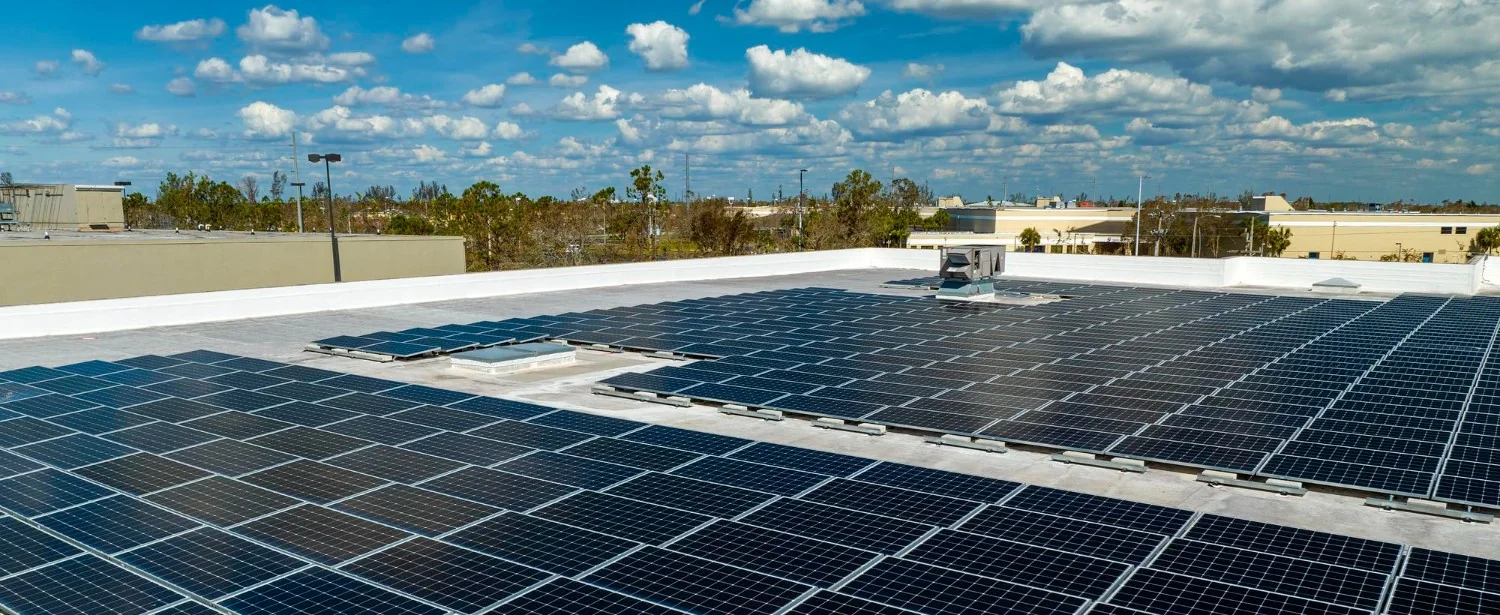
<ul><li><i>India’s rooftop solar capacity reached 30.7 GW in July 2026, increasing the need for better grid management and flexibility.</i></li><li><i>Kerala and Maharashtra are exploring battery ener…
• 𝘛𝘩𝘦 𝘌𝘐𝘉 𝘎𝘳𝘰𝘶𝘱 𝘱𝘭𝘢𝘯𝘴 𝘵𝘰 𝘱𝘳𝘰𝘷𝘪𝘥𝘦 𝘢𝘵 𝘭𝘦𝘢𝘴𝘵 €30 𝘣𝘪𝘭𝘭𝘪𝘰𝘯 𝘧𝘰𝘳 𝘤𝘭𝘪𝘮𝘢𝘵𝘦 𝘢𝘥𝘢𝘱𝘵𝘢𝘵𝘪𝘰𝘯 𝘣𝘦𝘵𝘸𝘦𝘦𝘯 2026 𝘢𝘯𝘥 2030. • 𝘛𝘩𝘦 𝘯𝘦𝘸 𝘵𝘢𝘳𝘨𝘦𝘵 𝘥𝘰𝘶𝘣𝘭𝘦𝘴 𝘢𝘥𝘢𝘱𝘵𝘢𝘵𝘪𝘰𝘯 𝘧𝘪𝘯𝘢𝘯𝘤𝘪𝘯𝘨 𝘤𝘰𝘮𝘱𝘢𝘳𝘦𝘥 𝘸𝘪𝘵𝘩 𝘵𝘩𝘦 𝘱𝘳𝘦𝘷𝘪𝘰𝘶𝘴 𝘧𝘪𝘷𝘦-𝘺𝘦𝘢𝘳 𝘱𝘦𝘳𝘪𝘰𝘥. • 𝘍𝘶𝘯𝘥𝘪𝘯𝘨…