

.jpg)
28 October 2025
Mexico has introduced new national regulations banning the capture and retention of several threatened shark species in its Atlantic waters - a move conservationists say is vital but years overdue.
The new rules, announced by Mexico’s National Aquaculture and Fisheries Commission, prohibit longline fisheries from catching, retaining, or selling five shark species across waters managed by the International Commission for the Conservation of Atlantic Tunas (ICCAT), including the Gulf of Mexico and the Caribbean Sea.
These species include the vulnerable bigeye thresher and silky shark, the critically endangered oceanic whitetip, the endangered shortfin mako, and hammerhead sharks - excluding the bonnethead.
The regulations bring Mexico into compliance with ICCAT recommendations dating back as far as 2009. “With this measure, Mexico complies with international commitments and promotes responsible, sustainable fishing practices that respect protected species,” the commission said in a statement.
Conservation groups welcomed the move but criticized the delay and limited scope. “Although long overdue, Mexico’s new shark protections have the potential to significantly bolster international conservation efforts for some of the Atlantic’s most imperiled species,” said Sonja Fordham, president of Shark Advocates International.
However, experts warned that key species such as manta rays and whale sharks remain unprotected, despite ICCAT’s recommendations. Iris Ziegler of the German Foundation for Marine Conservation noted that the rules only apply to “larger longline vessels,” leaving ambiguity about enforcement and excluding other fishing types like purse seiners and gillnetters.
Ziegler also called for clearer release protocols and broader protections extending to Mexico’s Pacific waters, given the movement of vessels between both oceans. “Without stronger definitions and enforcement, the effectiveness of these measures may remain limited,” she said.
Species-protection legislation shapes MSC and ASC-adjacent sourcing credibility for global seafood buyers - and it flows through into Scope 3 supply-chain and TNFD disclosure narratives whether or not you were reporting on marine biodiversity before. Our supply-chain-and-operations and nature-based-solutions teams help clients evaluate what these protections mean for sourcing strategy and disclosure.

• 𝘛𝘩𝘦 𝘜𝘈𝘌 𝘍𝘰𝘰𝘥 𝘉𝘢𝘯𝘬 𝘢𝘯𝘥 𝘋𝘶𝘣𝘢𝘪’𝘴 𝘊𝘰𝘮𝘮𝘶𝘯𝘪𝘵𝘺 𝘋𝘦𝘷𝘦𝘭𝘰𝘱𝘮𝘦𝘯𝘵 𝘈𝘶𝘵𝘩𝘰𝘳𝘪𝘵𝘺 (𝘊𝘋𝘈) 𝘩𝘢𝘷𝘦 𝘴𝘪𝘨𝘯𝘦𝘥 𝘢𝘯 𝘢𝘨𝘳𝘦𝘦𝘮𝘦𝘯𝘵 𝘵𝘰 𝘤𝘰𝘭𝘭𝘦𝘤𝘵 𝘢𝘯𝘥 𝘳𝘦𝘥𝘪𝘴𝘵𝘳𝘪𝘣𝘶𝘵𝘦 𝘴𝘶𝘳𝘱𝘭𝘶𝘴 𝘧𝘰𝘰𝘥 𝘧𝘳𝘰𝘮 𝘸𝘦𝘥𝘥𝘪𝘯𝘨𝘴 𝘢𝘯𝘥 𝘦𝘷𝘦𝘯𝘵𝘴. • 𝘛𝘩𝘦 𝘪𝘯𝘪𝘵𝘪𝘢𝘵𝘪𝘷𝘦 𝘸𝘪𝘭𝘭 𝘧𝘰𝘭𝘭𝘰𝘸 𝘢𝘱𝘱𝘳𝘰𝘷𝘦𝘥…
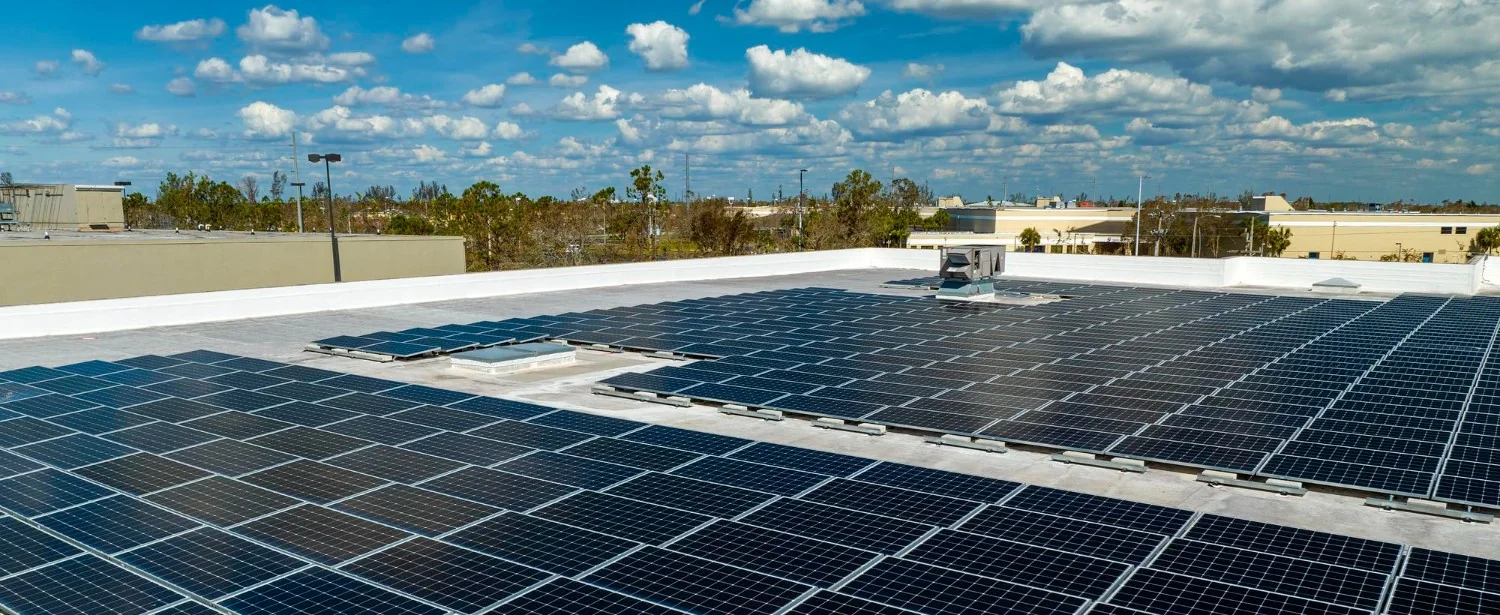
<ul><li><i>India’s rooftop solar capacity reached 30.7 GW in July 2026, increasing the need for better grid management and flexibility.</i></li><li><i>Kerala and Maharashtra are exploring battery ener…

• 𝘛𝘩𝘦 𝘌𝘐𝘉 𝘎𝘳𝘰𝘶𝘱 𝘱𝘭𝘢𝘯𝘴 𝘵𝘰 𝘱𝘳𝘰𝘷𝘪𝘥𝘦 𝘢𝘵 𝘭𝘦𝘢𝘴𝘵 €30 𝘣𝘪𝘭𝘭𝘪𝘰𝘯 𝘧𝘰𝘳 𝘤𝘭𝘪𝘮𝘢𝘵𝘦 𝘢𝘥𝘢𝘱𝘵𝘢𝘵𝘪𝘰𝘯 𝘣𝘦𝘵𝘸𝘦𝘦𝘯 2026 𝘢𝘯𝘥 2030. • 𝘛𝘩𝘦 𝘯𝘦𝘸 𝘵𝘢𝘳𝘨𝘦𝘵 𝘥𝘰𝘶𝘣𝘭𝘦𝘴 𝘢𝘥𝘢𝘱𝘵𝘢𝘵𝘪𝘰𝘯 𝘧𝘪𝘯𝘢𝘯𝘤𝘪𝘯𝘨 𝘤𝘰𝘮𝘱𝘢𝘳𝘦𝘥 𝘸𝘪𝘵𝘩 𝘵𝘩𝘦 𝘱𝘳𝘦𝘷𝘪𝘰𝘶𝘴 𝘧𝘪𝘷𝘦-𝘺𝘦𝘢𝘳 𝘱𝘦𝘳𝘪𝘰𝘥. • 𝘍𝘶𝘯𝘥𝘪𝘯𝘨…