


12 August 2025
Mexico City’s Ministry of Environment (SEDEMA) advanced its sustainability agenda by hosting the third workshop in its participatory process to update the Climate Action Program (PACCM) and the Air Quality Management Program (ProAire) for 2025-2030.
The session placed a strong emphasis on nature-based solutions, including urban and rural revegetation, river restoration, and the rehabilitation of water bodies. The initiative aimed to align climate action with biodiversity conservation while integrating environmental and public health strategies.
The workshop brought together around 150 participants, spanning city and federal agencies, borough governments, academia, civil society, international cooperation organizations, and the private sector. Experts underscored how nature-based approaches not only mitigate carbon emissions but also deliver co-benefits such as cleaner air, enhanced public health, and resilience against floods and extreme temperatures.
SEDEMA officials highlighted Mexico City’s unique biodiversity - hosting 12% of the nation’s and 2% of the world’s total species - and reaffirmed commitments to expand green spaces through pollinator gardens, urban orchards, and community-driven green block programs.
Updates also included the harmonization of PACCM, ProAire, and the Strategy for the Conservation and Sustainable Use of Biodiversity (ECUSBE) to set higher decarbonization targets, improve adaptation policies, and secure active participation from both the public and private sectors.
Progress was also reported on restoring 1,150 hectares of conservation land, reducing carbon emissions, creating green jobs, and implementing updated air quality measures for the Valley of Mexico Metropolitan Zone. The event closed with working group sessions to define priority actions for conservation areas, green infrastructure, and sustainable agricultural systems - reinforcing the city’s vision of a greener, more resilient urban future.
Mexico City's NBS commitments are quietly becoming the template for what urban biodiversity strategy looks like across Latin American cities - and they raise disclosure expectations for corporates operating locally. Our nature-based-solutions and impact-assessment teams help clients evaluate urban-nature engagement opportunities and align disclosure with the evolving frameworks.

• 𝘛𝘩𝘦 𝘜𝘈𝘌 𝘍𝘰𝘰𝘥 𝘉𝘢𝘯𝘬 𝘢𝘯𝘥 𝘋𝘶𝘣𝘢𝘪’𝘴 𝘊𝘰𝘮𝘮𝘶𝘯𝘪𝘵𝘺 𝘋𝘦𝘷𝘦𝘭𝘰𝘱𝘮𝘦𝘯𝘵 𝘈𝘶𝘵𝘩𝘰𝘳𝘪𝘵𝘺 (𝘊𝘋𝘈) 𝘩𝘢𝘷𝘦 𝘴𝘪𝘨𝘯𝘦𝘥 𝘢𝘯 𝘢𝘨𝘳𝘦𝘦𝘮𝘦𝘯𝘵 𝘵𝘰 𝘤𝘰𝘭𝘭𝘦𝘤𝘵 𝘢𝘯𝘥 𝘳𝘦𝘥𝘪𝘴𝘵𝘳𝘪𝘣𝘶𝘵𝘦 𝘴𝘶𝘳𝘱𝘭𝘶𝘴 𝘧𝘰𝘰𝘥 𝘧𝘳𝘰𝘮 𝘸𝘦𝘥𝘥𝘪𝘯𝘨𝘴 𝘢𝘯𝘥 𝘦𝘷𝘦𝘯𝘵𝘴. • 𝘛𝘩𝘦 𝘪𝘯𝘪𝘵𝘪𝘢𝘵𝘪𝘷𝘦 𝘸𝘪𝘭𝘭 𝘧𝘰𝘭𝘭𝘰𝘸 𝘢𝘱𝘱𝘳𝘰𝘷𝘦𝘥…
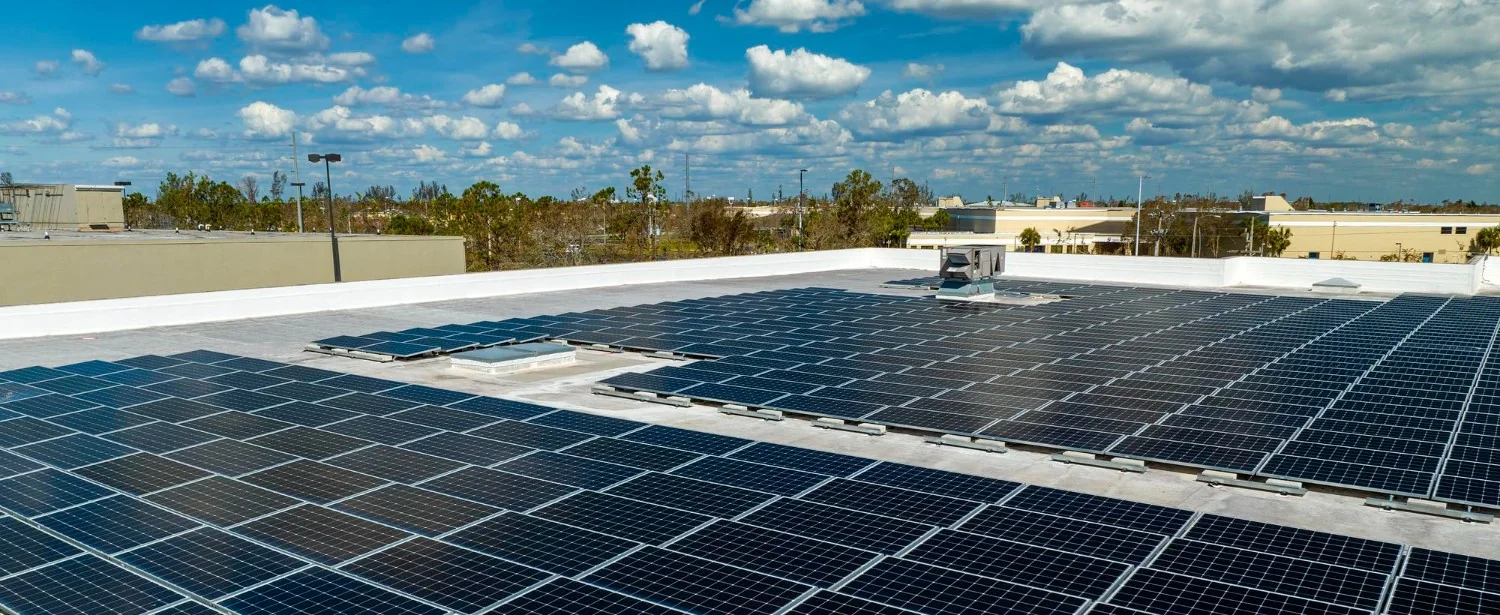
<ul><li><i>India’s rooftop solar capacity reached 30.7 GW in July 2026, increasing the need for better grid management and flexibility.</i></li><li><i>Kerala and Maharashtra are exploring battery ener…
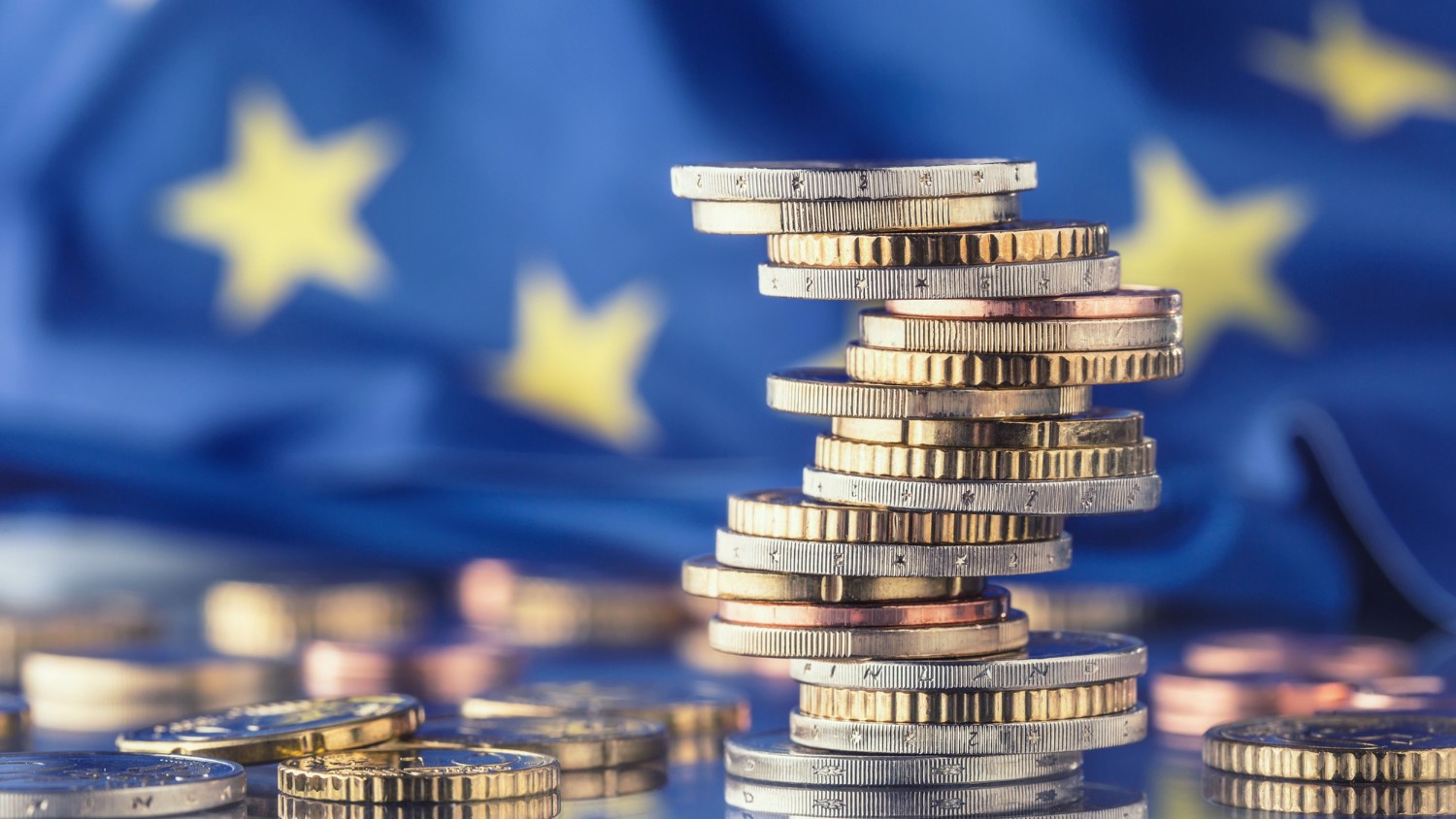
• 𝘛𝘩𝘦 𝘌𝘐𝘉 𝘎𝘳𝘰𝘶𝘱 𝘱𝘭𝘢𝘯𝘴 𝘵𝘰 𝘱𝘳𝘰𝘷𝘪𝘥𝘦 𝘢𝘵 𝘭𝘦𝘢𝘴𝘵 €30 𝘣𝘪𝘭𝘭𝘪𝘰𝘯 𝘧𝘰𝘳 𝘤𝘭𝘪𝘮𝘢𝘵𝘦 𝘢𝘥𝘢𝘱𝘵𝘢𝘵𝘪𝘰𝘯 𝘣𝘦𝘵𝘸𝘦𝘦𝘯 2026 𝘢𝘯𝘥 2030. • 𝘛𝘩𝘦 𝘯𝘦𝘸 𝘵𝘢𝘳𝘨𝘦𝘵 𝘥𝘰𝘶𝘣𝘭𝘦𝘴 𝘢𝘥𝘢𝘱𝘵𝘢𝘵𝘪𝘰𝘯 𝘧𝘪𝘯𝘢𝘯𝘤𝘪𝘯𝘨 𝘤𝘰𝘮𝘱𝘢𝘳𝘦𝘥 𝘸𝘪𝘵𝘩 𝘵𝘩𝘦 𝘱𝘳𝘦𝘷𝘪𝘰𝘶𝘴 𝘧𝘪𝘷𝘦-𝘺𝘦𝘢𝘳 𝘱𝘦𝘳𝘪𝘰𝘥. • 𝘍𝘶𝘯𝘥𝘪𝘯𝘨…