

.jpg)
30 June 2026
Mexico City is stepping up its transition to cleaner public transport, expanding its electric transit network through new trolleybus routes and continued investment in zero-emission buses as part of its broader decarbonization strategy.
Over the past six years, the city has invested more than US$38 million to expand electric operations within its Metrobús system, helping position the capital among Latin America’s leading markets for electric urban mobility. According to the Global Green Growth Institute (GGGI), 174 of the system’s 890 buses are now electric, with the network serving millions of passengers annually.
The shift began with pilot projects on Metrobús Line 3, which demonstrated the operational and financial viability of electric buses. Building on that experience, the city procured 60 electric buses for Line 3 and another 50 for Line 4, while also strengthening its procurement processes to support future fleet electrification.
The city has further expanded its clean mobility network with the launch of two new electric trolleybus routes-Route 0, El Chapulín, and Route 14, Animales Silvestres. Backed by an investment of MX$1.6 billion (US$91.5 million), the projects add 35.5 kilometres of electric transit infrastructure and are expected to benefit more than 300,000 residents.
Route 0 alone is projected to carry around 65,000 passengers daily, while Route 14 will improve connectivity for approximately 100,000 residents in southern Mexico City. Authorities say replacing conventional buses with electric trolleybuses will improve air quality, increase accessibility, enhance passenger safety, and modernize urban transport.
The city is also supporting its clean transport ambitions through sustainable finance, including a MX$3 billion green bond issued in late 2025 to fund additional electric transit projects. Officials expect future fleet replacement cycles to continue prioritizing electric vehicles, reinforcing Mexico City’s long-term commitment to low-carbon, sustainable mobility.
Electric transit at Mexico City scale changes commuting-emissions calculations for corporates with large local employee bases, and it changes real-estate corridor valuations at the same time. Our climate-action and impact-assessment teams help clients evaluate what public-transit electrification means for Scope 3 disclosure and real-estate strategy.

• 𝘛𝘩𝘦 𝘜𝘈𝘌 𝘍𝘰𝘰𝘥 𝘉𝘢𝘯𝘬 𝘢𝘯𝘥 𝘋𝘶𝘣𝘢𝘪’𝘴 𝘊𝘰𝘮𝘮𝘶𝘯𝘪𝘵𝘺 𝘋𝘦𝘷𝘦𝘭𝘰𝘱𝘮𝘦𝘯𝘵 𝘈𝘶𝘵𝘩𝘰𝘳𝘪𝘵𝘺 (𝘊𝘋𝘈) 𝘩𝘢𝘷𝘦 𝘴𝘪𝘨𝘯𝘦𝘥 𝘢𝘯 𝘢𝘨𝘳𝘦𝘦𝘮𝘦𝘯𝘵 𝘵𝘰 𝘤𝘰𝘭𝘭𝘦𝘤𝘵 𝘢𝘯𝘥 𝘳𝘦𝘥𝘪𝘴𝘵𝘳𝘪𝘣𝘶𝘵𝘦 𝘴𝘶𝘳𝘱𝘭𝘶𝘴 𝘧𝘰𝘰𝘥 𝘧𝘳𝘰𝘮 𝘸𝘦𝘥𝘥𝘪𝘯𝘨𝘴 𝘢𝘯𝘥 𝘦𝘷𝘦𝘯𝘵𝘴. • 𝘛𝘩𝘦 𝘪𝘯𝘪𝘵𝘪𝘢𝘵𝘪𝘷𝘦 𝘸𝘪𝘭𝘭 𝘧𝘰𝘭𝘭𝘰𝘸 𝘢𝘱𝘱𝘳𝘰𝘷𝘦𝘥…
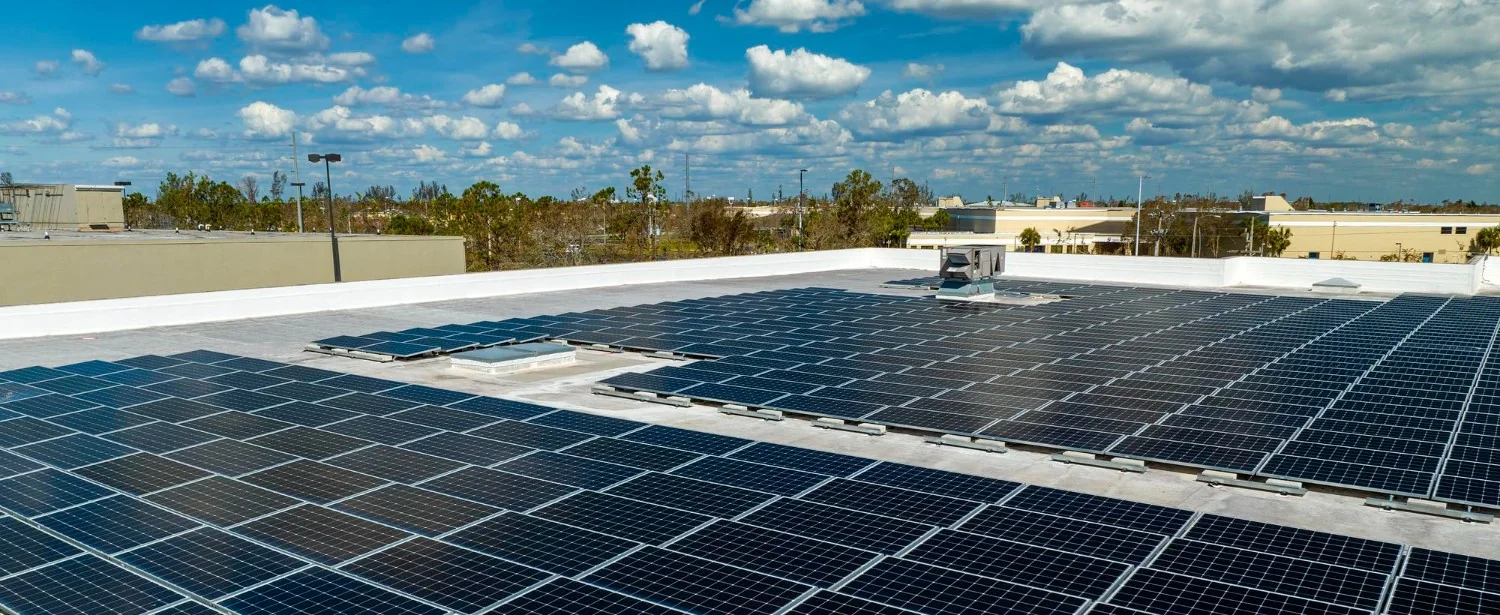
<ul><li><i>India’s rooftop solar capacity reached 30.7 GW in July 2026, increasing the need for better grid management and flexibility.</i></li><li><i>Kerala and Maharashtra are exploring battery ener…

• 𝘛𝘩𝘦 𝘌𝘐𝘉 𝘎𝘳𝘰𝘶𝘱 𝘱𝘭𝘢𝘯𝘴 𝘵𝘰 𝘱𝘳𝘰𝘷𝘪𝘥𝘦 𝘢𝘵 𝘭𝘦𝘢𝘴𝘵 €30 𝘣𝘪𝘭𝘭𝘪𝘰𝘯 𝘧𝘰𝘳 𝘤𝘭𝘪𝘮𝘢𝘵𝘦 𝘢𝘥𝘢𝘱𝘵𝘢𝘵𝘪𝘰𝘯 𝘣𝘦𝘵𝘸𝘦𝘦𝘯 2026 𝘢𝘯𝘥 2030. • 𝘛𝘩𝘦 𝘯𝘦𝘸 𝘵𝘢𝘳𝘨𝘦𝘵 𝘥𝘰𝘶𝘣𝘭𝘦𝘴 𝘢𝘥𝘢𝘱𝘵𝘢𝘵𝘪𝘰𝘯 𝘧𝘪𝘯𝘢𝘯𝘤𝘪𝘯𝘨 𝘤𝘰𝘮𝘱𝘢𝘳𝘦𝘥 𝘸𝘪𝘵𝘩 𝘵𝘩𝘦 𝘱𝘳𝘦𝘷𝘪𝘰𝘶𝘴 𝘧𝘪𝘷𝘦-𝘺𝘦𝘢𝘳 𝘱𝘦𝘳𝘪𝘰𝘥. • 𝘍𝘶𝘯𝘥𝘪𝘯𝘨…