

17 December 2025
Water scarcity in the Middle East and North Africa (MENA) region has shifted from a historical challenge to an urgent imperative, driven by rising temperatures, prolonged droughts, erratic rainfall and rapid population growth.
Governments are rapidly rethinking water production, management and long-term resilience strategies in response to climate change impacts and escalating demand. As a result, the region is increasingly viewed as a global hub for water innovation rather than just a water-stressed area.
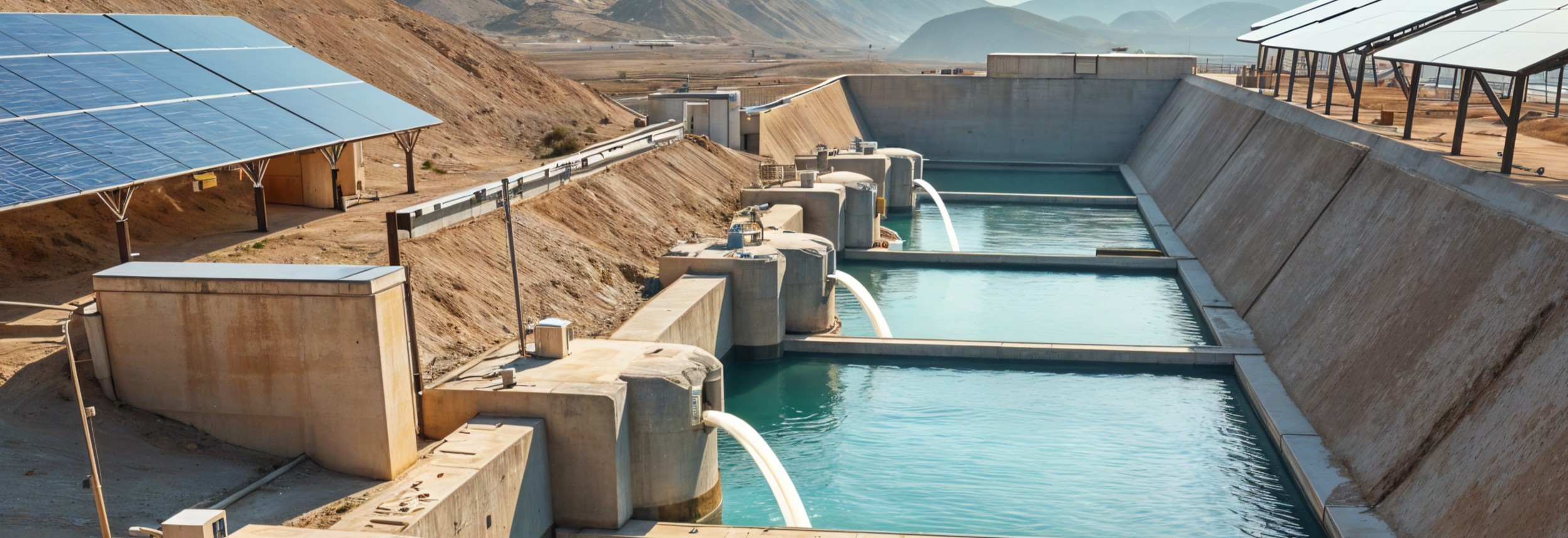
A central focus for many MENA states is the expansion of desalination capacity, which already accounts for a significant portion of potable water supply - with countries like Kuwait and Saudi Arabia heavily reliant on desalination as a primary freshwater source.
Plans are underway to nearly double desalination capacity by 2030, reflecting both the region’s dependence on seawater treatment and its leadership in scaling these technologies. This surge is accompanied by large public investments and strategic partnerships aimed at ensuring water security at national and regional levels.
In addition to traditional desalination, there is growing emphasis on innovation to reduce environmental impacts and energy intensity. Countries are exploring renewable energy-powered desalination, energy-efficient reverse osmosis systems and integrated digital management tools to optimise water infrastructure operations. These efforts are designed to reduce carbon footprints while maintaining reliable water supplies for urban, industrial and agricultural needs.
The rapidly evolving water landscape in MENA underscores the necessity of integrated solutions that balance technological advancement with sustainability. As climate pressures and population growth continue to intensify, the region’s collaborative approach to water innovation - combining large-scale infrastructure expansion with policy, technology and sustainability agendas - seeks to transform scarcity into resilience over the coming decades.
MENA water innovation is where climate adaptation meets industrial modernisation, and it opens investment opportunities in desalination, reuse and monitoring technology at a pace few other regions are matching. Our climate-action and impact-assessment teams help clients evaluate water-technology positioning and disclosure alignment.

• 𝘛𝘩𝘦 𝘜𝘈𝘌 𝘍𝘰𝘰𝘥 𝘉𝘢𝘯𝘬 𝘢𝘯𝘥 𝘋𝘶𝘣𝘢𝘪’𝘴 𝘊𝘰𝘮𝘮𝘶𝘯𝘪𝘵𝘺 𝘋𝘦𝘷𝘦𝘭𝘰𝘱𝘮𝘦𝘯𝘵 𝘈𝘶𝘵𝘩𝘰𝘳𝘪𝘵𝘺 (𝘊𝘋𝘈) 𝘩𝘢𝘷𝘦 𝘴𝘪𝘨𝘯𝘦𝘥 𝘢𝘯 𝘢𝘨𝘳𝘦𝘦𝘮𝘦𝘯𝘵 𝘵𝘰 𝘤𝘰𝘭𝘭𝘦𝘤𝘵 𝘢𝘯𝘥 𝘳𝘦𝘥𝘪𝘴𝘵𝘳𝘪𝘣𝘶𝘵𝘦 𝘴𝘶𝘳𝘱𝘭𝘶𝘴 𝘧𝘰𝘰𝘥 𝘧𝘳𝘰𝘮 𝘸𝘦𝘥𝘥𝘪𝘯𝘨𝘴 𝘢𝘯𝘥 𝘦𝘷𝘦𝘯𝘵𝘴. • 𝘛𝘩𝘦 𝘪𝘯𝘪𝘵𝘪𝘢𝘵𝘪𝘷𝘦 𝘸𝘪𝘭𝘭 𝘧𝘰𝘭𝘭𝘰𝘸 𝘢𝘱𝘱𝘳𝘰𝘷𝘦𝘥…
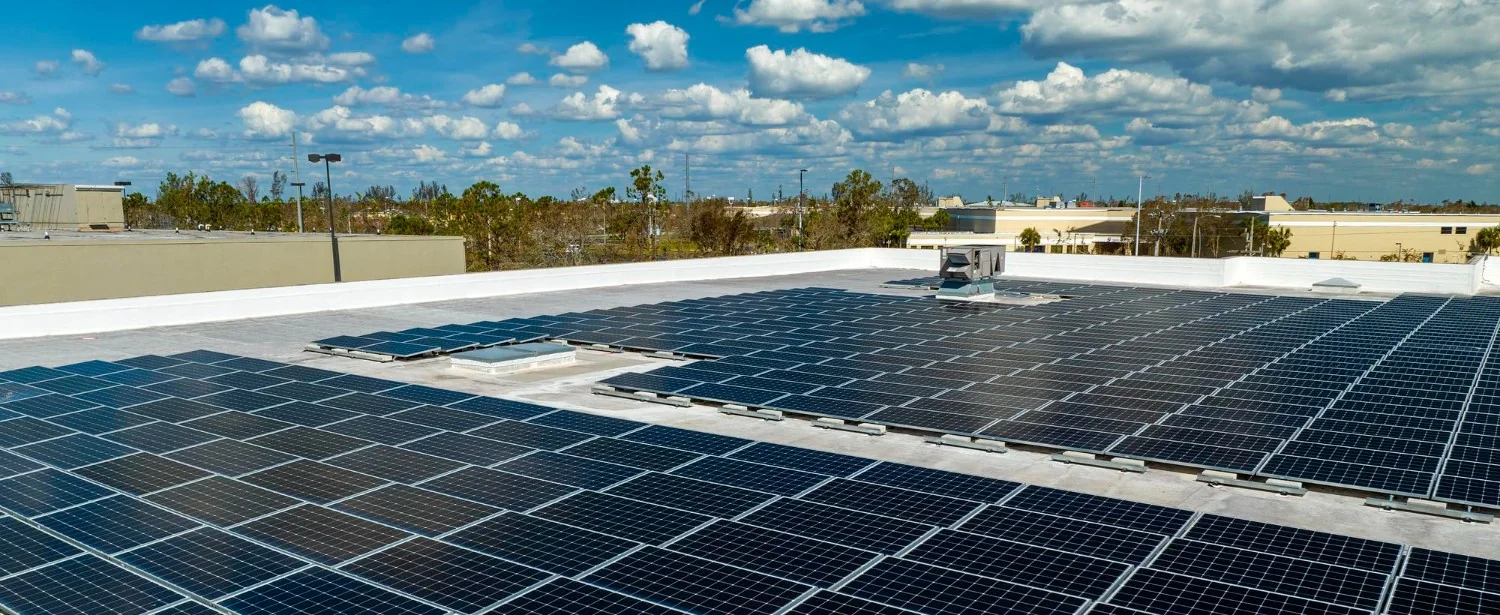
<ul><li><i>India’s rooftop solar capacity reached 30.7 GW in July 2026, increasing the need for better grid management and flexibility.</i></li><li><i>Kerala and Maharashtra are exploring battery ener…
• 𝘛𝘩𝘦 𝘌𝘐𝘉 𝘎𝘳𝘰𝘶𝘱 𝘱𝘭𝘢𝘯𝘴 𝘵𝘰 𝘱𝘳𝘰𝘷𝘪𝘥𝘦 𝘢𝘵 𝘭𝘦𝘢𝘴𝘵 €30 𝘣𝘪𝘭𝘭𝘪𝘰𝘯 𝘧𝘰𝘳 𝘤𝘭𝘪𝘮𝘢𝘵𝘦 𝘢𝘥𝘢𝘱𝘵𝘢𝘵𝘪𝘰𝘯 𝘣𝘦𝘵𝘸𝘦𝘦𝘯 2026 𝘢𝘯𝘥 2030. • 𝘛𝘩𝘦 𝘯𝘦𝘸 𝘵𝘢𝘳𝘨𝘦𝘵 𝘥𝘰𝘶𝘣𝘭𝘦𝘴 𝘢𝘥𝘢𝘱𝘵𝘢𝘵𝘪𝘰𝘯 𝘧𝘪𝘯𝘢𝘯𝘤𝘪𝘯𝘨 𝘤𝘰𝘮𝘱𝘢𝘳𝘦𝘥 𝘸𝘪𝘵𝘩 𝘵𝘩𝘦 𝘱𝘳𝘦𝘷𝘪𝘰𝘶𝘴 𝘧𝘪𝘷𝘦-𝘺𝘦𝘢𝘳 𝘱𝘦𝘳𝘪𝘰𝘥. • 𝘍𝘶𝘯𝘥𝘪𝘯𝘨…