

.jpg)
18 November 2025
Malaysia has announced a comprehensive five-year plan to modernise its national highway network using artificial intelligence, digital optimisation and sustainable engineering practices. The strategy, designed to strengthen transport efficiency and climate resilience, aims to elevate the country’s expressways into a future-ready, data-driven infrastructure system that can support rising mobility demands and long-term economic growth.
Built around four pillars-AI-enabled operations, enhanced customer experience, green and circular development and community-focused improvements-the roadmap lays out how Malaysia intends to integrate emerging technologies while maintaining affordability and service quality.
A major focus is AI-powered maintenance and safety. Automated drones will soon be deployed to inspect structures, monitor erosion and detect risks faster than traditional manual checks. Meanwhile, smart cameras and sensor networks are being expanded across key corridors to identify debris, assess hazards and relay real-time data to maintenance teams. These tools are expected to speed up response times and improve road safety.
Malaysia is also upgrading traffic management with thousands of connected devices that feed continuous data into systems used to forecast congestion and optimise traffic flow. Dynamic control tools will allow agencies to adjust operations instantly as conditions change, reducing delays and improving travel predictability.
Emergency response capabilities are set for significant enhancement. AI-enabled incident assessment and automated alert systems-already proven successful on a major bridge-will be scaled to high-risk locations nationwide. These platforms streamline communication between field responders and operations centres, helping emergency teams act faster and more efficiently.
Climate resilience forms another key element of the plan. Malaysia’s first detailed climate risk assessment for road and expressway infrastructure has identified vulnerabilities to floods, landslides and extreme weather. Findings are now guiding slope reinforcement, drainage upgrades, terrain stabilisation and the rollout of predictive environmental monitoring tools aimed at keeping highways operational during severe weather events.
To support cleaner mobility, the government is expanding EV fast-charging networks along expressways and exploring hydrogen refuelling to meet growing demand for alternative fuels. Community-oriented upgrades-such as improved rest areas, service centres and mobility hubs-aim to strengthen local economies and enhance the travel experience.
Digital tools are also being improved, including a mobile app with an AI-powered travel planner that offers customised routes, real-time traffic insights and accessible service information.
Through these combined initiatives, Malaysia aims to build a more intelligent, resilient and sustainable expressway network-one capable of supporting a rapidly evolving digital economy and a low-carbon future.
AI-driven climate-resilient infrastructure changes how transport corporates and their supply-chain partners should think about physical-climate risk - not as a periodic disclosure exercise but as an operational planning input. Our climate-action and data-and-digital teams help clients quantify physical-climate exposure and align TCFD disclosure with actual operational data.

• 𝘛𝘩𝘦 𝘜𝘈𝘌 𝘍𝘰𝘰𝘥 𝘉𝘢𝘯𝘬 𝘢𝘯𝘥 𝘋𝘶𝘣𝘢𝘪’𝘴 𝘊𝘰𝘮𝘮𝘶𝘯𝘪𝘵𝘺 𝘋𝘦𝘷𝘦𝘭𝘰𝘱𝘮𝘦𝘯𝘵 𝘈𝘶𝘵𝘩𝘰𝘳𝘪𝘵𝘺 (𝘊𝘋𝘈) 𝘩𝘢𝘷𝘦 𝘴𝘪𝘨𝘯𝘦𝘥 𝘢𝘯 𝘢𝘨𝘳𝘦𝘦𝘮𝘦𝘯𝘵 𝘵𝘰 𝘤𝘰𝘭𝘭𝘦𝘤𝘵 𝘢𝘯𝘥 𝘳𝘦𝘥𝘪𝘴𝘵𝘳𝘪𝘣𝘶𝘵𝘦 𝘴𝘶𝘳𝘱𝘭𝘶𝘴 𝘧𝘰𝘰𝘥 𝘧𝘳𝘰𝘮 𝘸𝘦𝘥𝘥𝘪𝘯𝘨𝘴 𝘢𝘯𝘥 𝘦𝘷𝘦𝘯𝘵𝘴. • 𝘛𝘩𝘦 𝘪𝘯𝘪𝘵𝘪𝘢𝘵𝘪𝘷𝘦 𝘸𝘪𝘭𝘭 𝘧𝘰𝘭𝘭𝘰𝘸 𝘢𝘱𝘱𝘳𝘰𝘷𝘦𝘥…
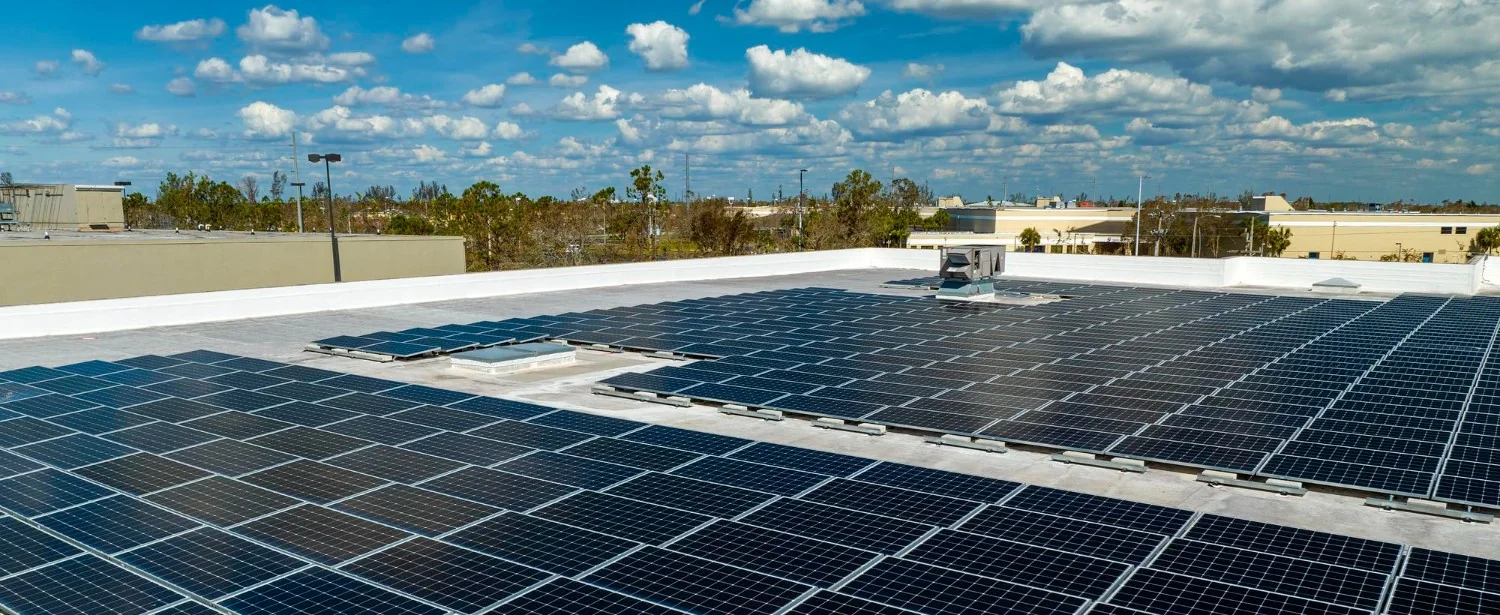
<ul><li><i>India’s rooftop solar capacity reached 30.7 GW in July 2026, increasing the need for better grid management and flexibility.</i></li><li><i>Kerala and Maharashtra are exploring battery ener…

• 𝘛𝘩𝘦 𝘌𝘐𝘉 𝘎𝘳𝘰𝘶𝘱 𝘱𝘭𝘢𝘯𝘴 𝘵𝘰 𝘱𝘳𝘰𝘷𝘪𝘥𝘦 𝘢𝘵 𝘭𝘦𝘢𝘴𝘵 €30 𝘣𝘪𝘭𝘭𝘪𝘰𝘯 𝘧𝘰𝘳 𝘤𝘭𝘪𝘮𝘢𝘵𝘦 𝘢𝘥𝘢𝘱𝘵𝘢𝘵𝘪𝘰𝘯 𝘣𝘦𝘵𝘸𝘦𝘦𝘯 2026 𝘢𝘯𝘥 2030. • 𝘛𝘩𝘦 𝘯𝘦𝘸 𝘵𝘢𝘳𝘨𝘦𝘵 𝘥𝘰𝘶𝘣𝘭𝘦𝘴 𝘢𝘥𝘢𝘱𝘵𝘢𝘵𝘪𝘰𝘯 𝘧𝘪𝘯𝘢𝘯𝘤𝘪𝘯𝘨 𝘤𝘰𝘮𝘱𝘢𝘳𝘦𝘥 𝘸𝘪𝘵𝘩 𝘵𝘩𝘦 𝘱𝘳𝘦𝘷𝘪𝘰𝘶𝘴 𝘧𝘪𝘷𝘦-𝘺𝘦𝘢𝘳 𝘱𝘦𝘳𝘪𝘰𝘥. • 𝘍𝘶𝘯𝘥𝘪𝘯𝘨…