

15 January 2026
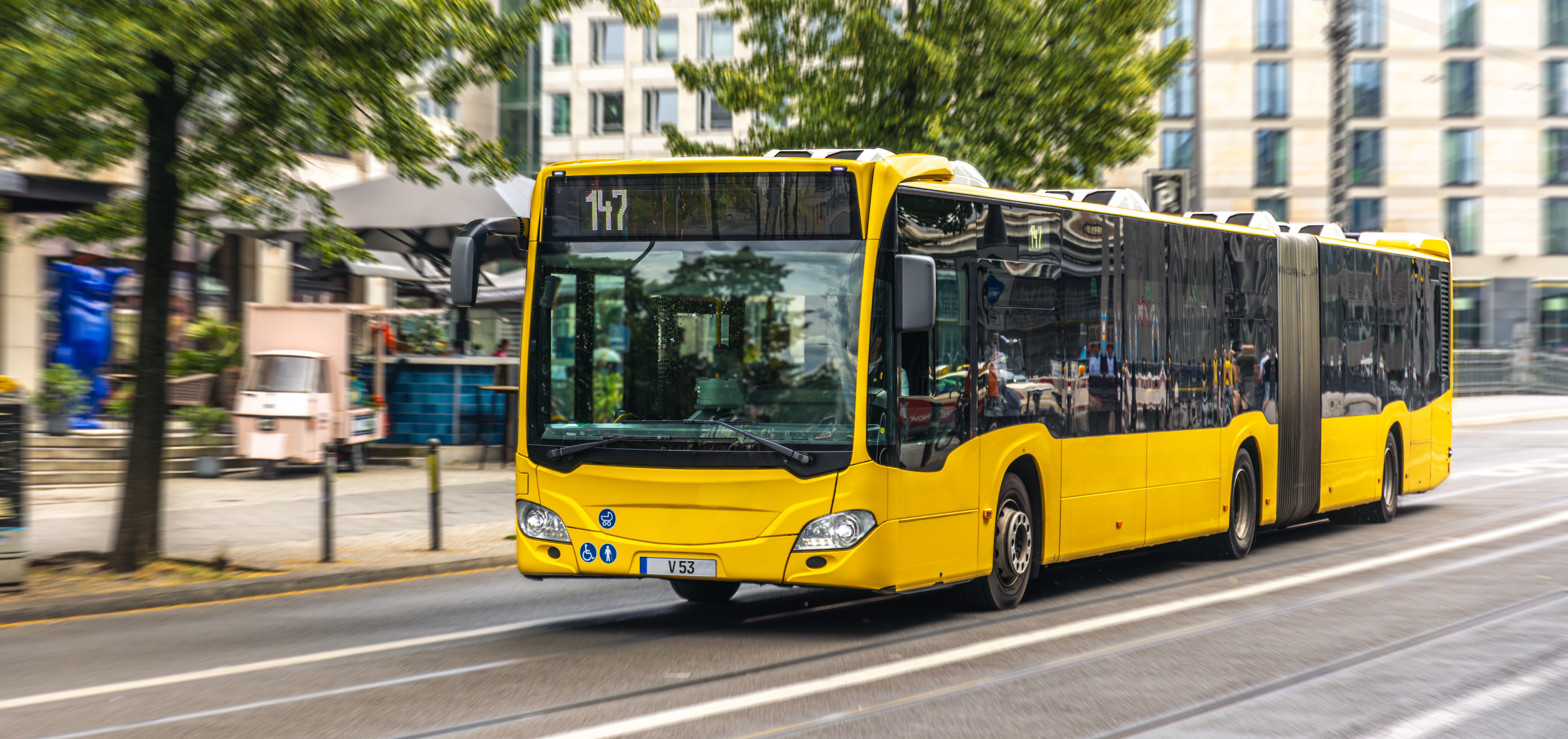
Prasarana Malaysia Berhad, the country’s main public transport operator, announced plans to procure more than 1,100 electric buses between 2025 and 2030 as part of its long-term transition to greener and more efficient urban transit. The initiative forms a central component of the company’s Sustainability Blueprint, aligning with the National Energy Transition Roadmap and the government’s broader climate commitment to reduce transport emissions and enhance sustainable mobility.
Under the blueprint, the operator aims to reduce its operational carbon emissions by approximately 45 percent by 2030 through a combination of fleet electrification, expanded use of renewable energy and ongoing energy efficiency measures. While electric buses are expected to replace much of the existing conventional fleet, Prasarana will still acquire a final batch of 310 diesel buses as part of its transitional strategy, with delivery scheduled by March 2026.
Already operating electric buses on the Bus Rapid Transit (BRT) Sunway Line, Prasarana has also committed to investing in solar installations across transport hubs, stations and depots to enhance energy self-sufficiency and reduce overall emissions. Future plans include installing solar panels at approximately 75 sites nationwide, with the aim of powering both electric vehicles and supporting infrastructure.
The move toward an electrified public transport network complements Malaysia’s national sustainability goals, including its ambition to build a cleaner transport ecosystem and reduce reliance on fossil fuels. Expanded electric bus deployment is expected to improve air quality in urban areas, enhance the passenger experience and help accelerate the transition to low-emission mobility solutions across major cities.
1,100 electric buses is a meaningful public-transit electrification signal, and it changes Scope 2 disclosure narratives for public-sector and adjacent corporates whose employees rely on that network. Our climate-action and impact-assessment teams help clients evaluate what public-transit decarbonisation means for their own transport-emissions accounting and disclosure.

• 𝘛𝘩𝘦 𝘜𝘈𝘌 𝘍𝘰𝘰𝘥 𝘉𝘢𝘯𝘬 𝘢𝘯𝘥 𝘋𝘶𝘣𝘢𝘪’𝘴 𝘊𝘰𝘮𝘮𝘶𝘯𝘪𝘵𝘺 𝘋𝘦𝘷𝘦𝘭𝘰𝘱𝘮𝘦𝘯𝘵 𝘈𝘶𝘵𝘩𝘰𝘳𝘪𝘵𝘺 (𝘊𝘋𝘈) 𝘩𝘢𝘷𝘦 𝘴𝘪𝘨𝘯𝘦𝘥 𝘢𝘯 𝘢𝘨𝘳𝘦𝘦𝘮𝘦𝘯𝘵 𝘵𝘰 𝘤𝘰𝘭𝘭𝘦𝘤𝘵 𝘢𝘯𝘥 𝘳𝘦𝘥𝘪𝘴𝘵𝘳𝘪𝘣𝘶𝘵𝘦 𝘴𝘶𝘳𝘱𝘭𝘶𝘴 𝘧𝘰𝘰𝘥 𝘧𝘳𝘰𝘮 𝘸𝘦𝘥𝘥𝘪𝘯𝘨𝘴 𝘢𝘯𝘥 𝘦𝘷𝘦𝘯𝘵𝘴. • 𝘛𝘩𝘦 𝘪𝘯𝘪𝘵𝘪𝘢𝘵𝘪𝘷𝘦 𝘸𝘪𝘭𝘭 𝘧𝘰𝘭𝘭𝘰𝘸 𝘢𝘱𝘱𝘳𝘰𝘷𝘦𝘥…
<ul><li><i>India’s rooftop solar capacity reached 30.7 GW in July 2026, increasing the need for better grid management and flexibility.</i></li><li><i>Kerala and Maharashtra are exploring battery ener…

• 𝘛𝘩𝘦 𝘌𝘐𝘉 𝘎𝘳𝘰𝘶𝘱 𝘱𝘭𝘢𝘯𝘴 𝘵𝘰 𝘱𝘳𝘰𝘷𝘪𝘥𝘦 𝘢𝘵 𝘭𝘦𝘢𝘴𝘵 €30 𝘣𝘪𝘭𝘭𝘪𝘰𝘯 𝘧𝘰𝘳 𝘤𝘭𝘪𝘮𝘢𝘵𝘦 𝘢𝘥𝘢𝘱𝘵𝘢𝘵𝘪𝘰𝘯 𝘣𝘦𝘵𝘸𝘦𝘦𝘯 2026 𝘢𝘯𝘥 2030. • 𝘛𝘩𝘦 𝘯𝘦𝘸 𝘵𝘢𝘳𝘨𝘦𝘵 𝘥𝘰𝘶𝘣𝘭𝘦𝘴 𝘢𝘥𝘢𝘱𝘵𝘢𝘵𝘪𝘰𝘯 𝘧𝘪𝘯𝘢𝘯𝘤𝘪𝘯𝘨 𝘤𝘰𝘮𝘱𝘢𝘳𝘦𝘥 𝘸𝘪𝘵𝘩 𝘵𝘩𝘦 𝘱𝘳𝘦𝘷𝘪𝘰𝘶𝘴 𝘧𝘪𝘷𝘦-𝘺𝘦𝘢𝘳 𝘱𝘦𝘳𝘪𝘰𝘥. • 𝘍𝘶𝘯𝘥𝘪𝘯𝘨…