

08 April 2026
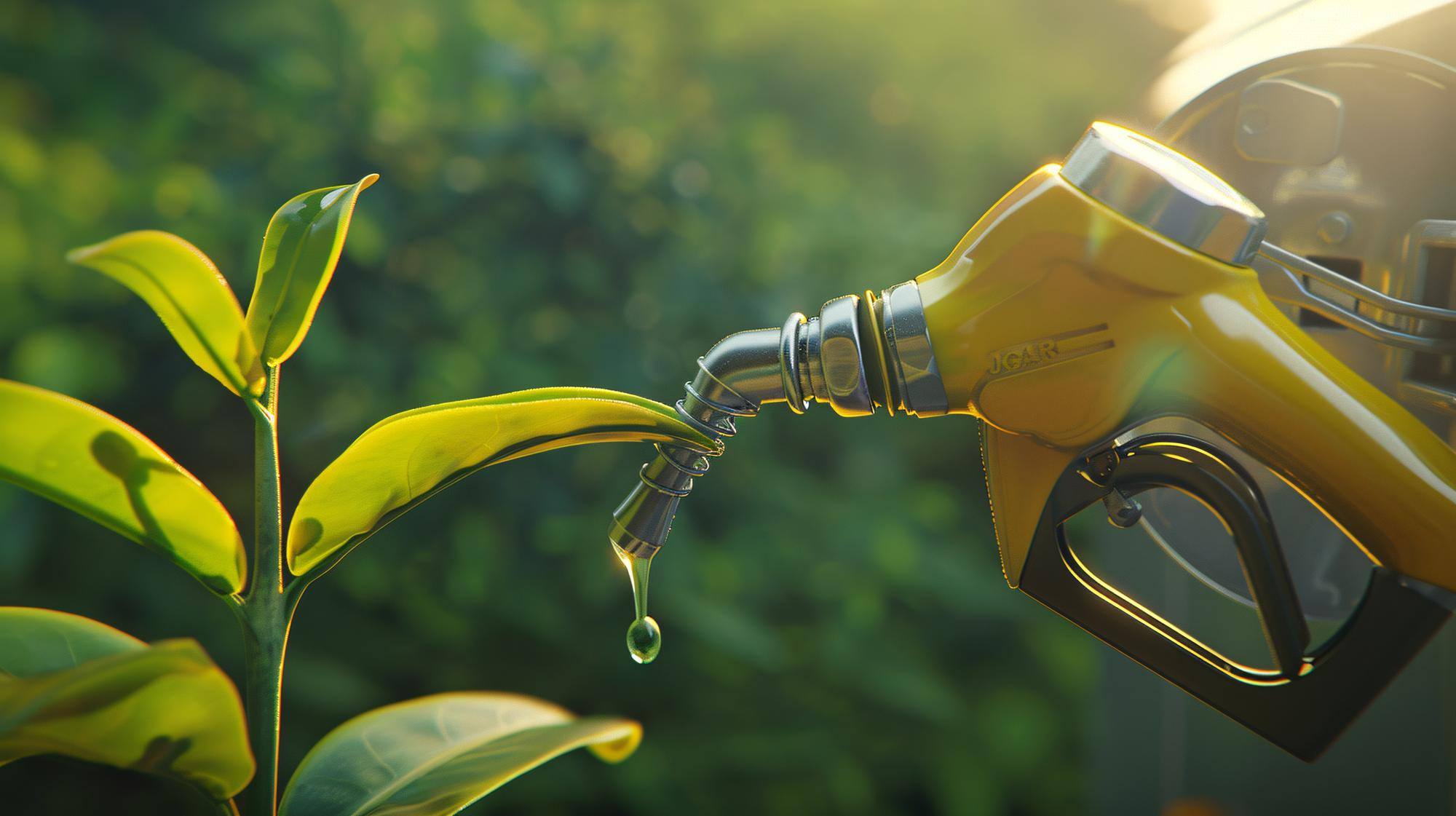
Malaysia has announced plans to expand its biodiesel programme in phases, aiming to gradually increase the share of palm-based biofuel in its national energy mix. The initiative, led by the government, is part of a broader strategy to promote low-carbon fuels while addressing rising energy prices and supply concerns.
Currently, Malaysia mandates a 10% biodiesel blend (B10) for transportation, although certain regions have already adopted a 20% blend (B20). The government is now exploring a nationwide transition toward higher blends such as B20 and B30, signalling a stronger commitment to cleaner fuel alternatives and reduced dependence on fossil fuels.
The expansion comes amid global energy market disruptions, which have driven up crude oil prices and renewed urgency around energy security. Officials emphasized that scaling up biodiesel usage will help stabilise domestic fuel supply while contributing to emissions reduction goals. However, the rollout will be implemented gradually to account for cost sensitivities and infrastructure readiness.
To support the transition, Malaysia plans to upgrade biodiesel blending infrastructure across key locations under a five-year programme. These investments aim to ensure efficient distribution and long-term viability of higher biodiesel blends, reinforcing the country’s efforts to balance economic constraints with sustainability and energy resilience objectives.
The phased B10-toward-B20/B30 transition combined with five-year blending-infrastructure investment reflects appropriate sequencing for biodiesel-programme scale-up. Higher blends require both engine-compatibility validation (particularly for older vehicle fleets) and distribution-infrastructure upgrades to prevent quality-and-supply issues at retail.
The palm-based biodiesel sustainability profile depends critically on feedstock sourcing standards. RSPO-certified sustainable palm oil for biodiesel production avoids the deforestation-and-peatland issues that have historically affected the sector; broader biodiesel expansion should be accompanied by supply-chain sustainability requirements to maintain credibility.
For palm-oil producers, biodiesel processors, fuel retailers, financial institutions and their sustainability advisors, Cognitud's energy transition, supply chain and operations and sustainability due diligence teams help clients evaluate biodiesel-expansion opportunities, structure long-term commercial arrangements aligned with sustainable palm-oil sourcing, and prepare disclosures aligned with RSPO, MSPO, ISSB and jurisdictional biofuel frameworks including EUDR.

• 𝘛𝘩𝘦 𝘜𝘈𝘌 𝘍𝘰𝘰𝘥 𝘉𝘢𝘯𝘬 𝘢𝘯𝘥 𝘋𝘶𝘣𝘢𝘪’𝘴 𝘊𝘰𝘮𝘮𝘶𝘯𝘪𝘵𝘺 𝘋𝘦𝘷𝘦𝘭𝘰𝘱𝘮𝘦𝘯𝘵 𝘈𝘶𝘵𝘩𝘰𝘳𝘪𝘵𝘺 (𝘊𝘋𝘈) 𝘩𝘢𝘷𝘦 𝘴𝘪𝘨𝘯𝘦𝘥 𝘢𝘯 𝘢𝘨𝘳𝘦𝘦𝘮𝘦𝘯𝘵 𝘵𝘰 𝘤𝘰𝘭𝘭𝘦𝘤𝘵 𝘢𝘯𝘥 𝘳𝘦𝘥𝘪𝘴𝘵𝘳𝘪𝘣𝘶𝘵𝘦 𝘴𝘶𝘳𝘱𝘭𝘶𝘴 𝘧𝘰𝘰𝘥 𝘧𝘳𝘰𝘮 𝘸𝘦𝘥𝘥𝘪𝘯𝘨𝘴 𝘢𝘯𝘥 𝘦𝘷𝘦𝘯𝘵𝘴. • 𝘛𝘩𝘦 𝘪𝘯𝘪𝘵𝘪𝘢𝘵𝘪𝘷𝘦 𝘸𝘪𝘭𝘭 𝘧𝘰𝘭𝘭𝘰𝘸 𝘢𝘱𝘱𝘳𝘰𝘷𝘦𝘥…
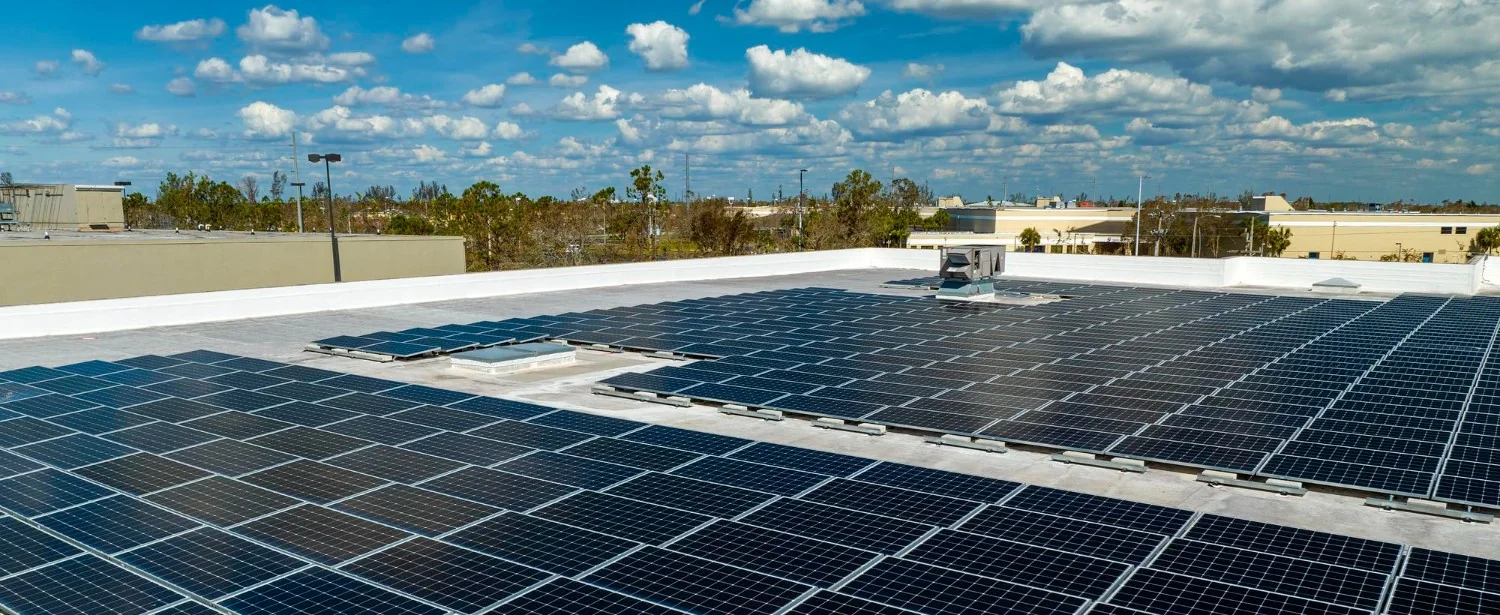
<ul><li><i>India’s rooftop solar capacity reached 30.7 GW in July 2026, increasing the need for better grid management and flexibility.</i></li><li><i>Kerala and Maharashtra are exploring battery ener…
• 𝘛𝘩𝘦 𝘌𝘐𝘉 𝘎𝘳𝘰𝘶𝘱 𝘱𝘭𝘢𝘯𝘴 𝘵𝘰 𝘱𝘳𝘰𝘷𝘪𝘥𝘦 𝘢𝘵 𝘭𝘦𝘢𝘴𝘵 €30 𝘣𝘪𝘭𝘭𝘪𝘰𝘯 𝘧𝘰𝘳 𝘤𝘭𝘪𝘮𝘢𝘵𝘦 𝘢𝘥𝘢𝘱𝘵𝘢𝘵𝘪𝘰𝘯 𝘣𝘦𝘵𝘸𝘦𝘦𝘯 2026 𝘢𝘯𝘥 2030. • 𝘛𝘩𝘦 𝘯𝘦𝘸 𝘵𝘢𝘳𝘨𝘦𝘵 𝘥𝘰𝘶𝘣𝘭𝘦𝘴 𝘢𝘥𝘢𝘱𝘵𝘢𝘵𝘪𝘰𝘯 𝘧𝘪𝘯𝘢𝘯𝘤𝘪𝘯𝘨 𝘤𝘰𝘮𝘱𝘢𝘳𝘦𝘥 𝘸𝘪𝘵𝘩 𝘵𝘩𝘦 𝘱𝘳𝘦𝘷𝘪𝘰𝘶𝘴 𝘧𝘪𝘷𝘦-𝘺𝘦𝘢𝘳 𝘱𝘦𝘳𝘪𝘰𝘥. • 𝘍𝘶𝘯𝘥𝘪𝘯𝘨…