


28 January 2026
Malaysia has inaugurated its first commercial-scale sustainable aviation fuel (SAF) production facility in Pasir Gudang, Johor, marking a significant milestone in the country’s renewable energy and climate transition efforts. The facility was officially opened on 28 January 2026 and represents a major step forward for Malaysia’s role in the regional clean fuels landscape.
The new plant - the first of its kind in the country - produces sustainable aviation fuel alongside hydrotreated vegetable oil (HVO) and renewable naphtha, with a combined production capacity of up to 420,000 tonnes per year. These advanced bio-based fuels are designed to reduce lifecycle greenhouse gas emissions compared with conventional fossil fuels, helping the aviation and broader transportation sectors decarbonise.
Government officials highlighted the project’s alignment with Malaysia’s National Energy Transition Roadmap (NETR) and Malaysia Aviation Decarbonisation Blueprint (MADB), which aim to integrate cleaner fuel solutions and support long-term reductions in carbon emissions.
Inaugural speeches emphasised that SAF production will play a role in reducing the aviation sector’s climate footprint while creating local value-chain opportunities for biomass supply, logistics and advanced manufacturing activities.
The SAF plant also underscores Malaysia’s commitment to developing sustainable energy industries that contribute to economic growth and climate goals. By converting waste-based biomass into high-value renewable fuels, the initiative strengthens both domestic supply chains and international export potential, positioning Malaysia as a strategic hub for low-carbon fuel production in Southeast Asia while supporting broader net-zero ambitions.
Commercial SAF plants in Malaysia give ASEAN carriers real access to regionally-produced sustainable fuel, which is exactly what CORSIA compliance and Scope 3 disclosure narratives need to be defensible. Our energy-transition and supply-chain-and-operations teams help airlines, airports and fuel producers evaluate SAF-linked positioning and offtake structuring.

• 𝘛𝘩𝘦 𝘜𝘈𝘌 𝘍𝘰𝘰𝘥 𝘉𝘢𝘯𝘬 𝘢𝘯𝘥 𝘋𝘶𝘣𝘢𝘪’𝘴 𝘊𝘰𝘮𝘮𝘶𝘯𝘪𝘵𝘺 𝘋𝘦𝘷𝘦𝘭𝘰𝘱𝘮𝘦𝘯𝘵 𝘈𝘶𝘵𝘩𝘰𝘳𝘪𝘵𝘺 (𝘊𝘋𝘈) 𝘩𝘢𝘷𝘦 𝘴𝘪𝘨𝘯𝘦𝘥 𝘢𝘯 𝘢𝘨𝘳𝘦𝘦𝘮𝘦𝘯𝘵 𝘵𝘰 𝘤𝘰𝘭𝘭𝘦𝘤𝘵 𝘢𝘯𝘥 𝘳𝘦𝘥𝘪𝘴𝘵𝘳𝘪𝘣𝘶𝘵𝘦 𝘴𝘶𝘳𝘱𝘭𝘶𝘴 𝘧𝘰𝘰𝘥 𝘧𝘳𝘰𝘮 𝘸𝘦𝘥𝘥𝘪𝘯𝘨𝘴 𝘢𝘯𝘥 𝘦𝘷𝘦𝘯𝘵𝘴. • 𝘛𝘩𝘦 𝘪𝘯𝘪𝘵𝘪𝘢𝘵𝘪𝘷𝘦 𝘸𝘪𝘭𝘭 𝘧𝘰𝘭𝘭𝘰𝘸 𝘢𝘱𝘱𝘳𝘰𝘷𝘦𝘥…
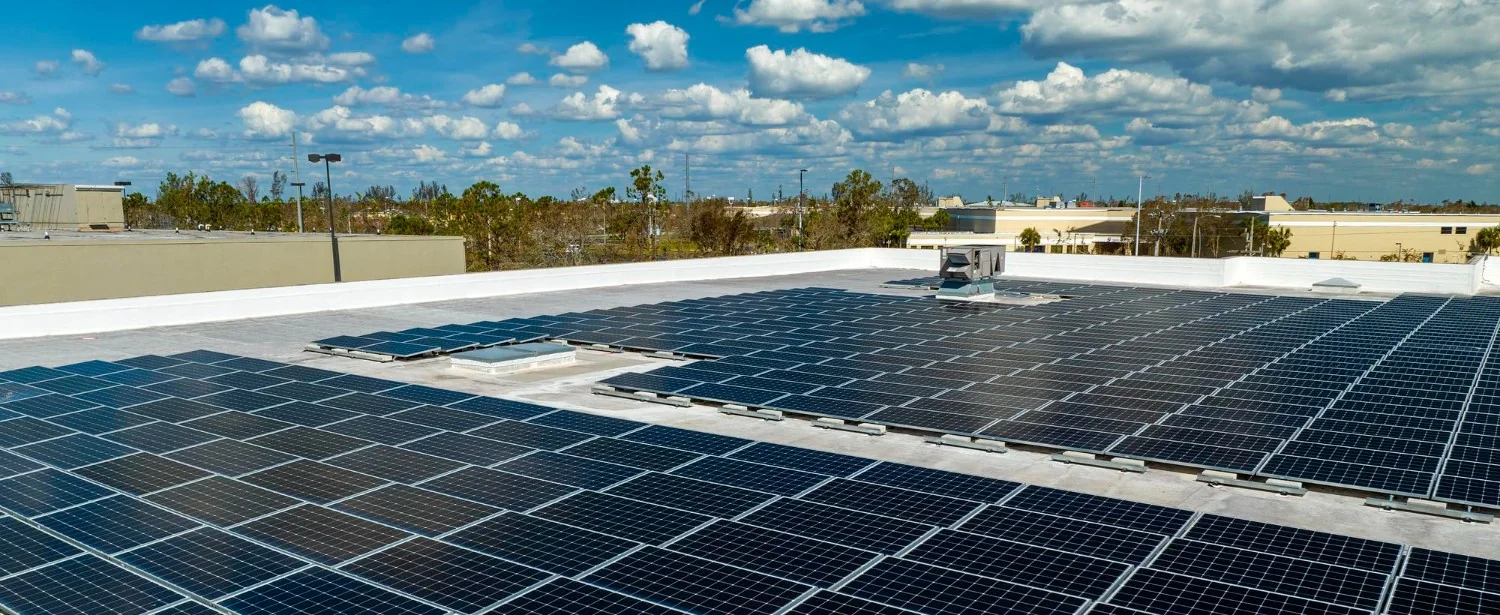
<ul><li><i>India’s rooftop solar capacity reached 30.7 GW in July 2026, increasing the need for better grid management and flexibility.</i></li><li><i>Kerala and Maharashtra are exploring battery ener…

• 𝘛𝘩𝘦 𝘌𝘐𝘉 𝘎𝘳𝘰𝘶𝘱 𝘱𝘭𝘢𝘯𝘴 𝘵𝘰 𝘱𝘳𝘰𝘷𝘪𝘥𝘦 𝘢𝘵 𝘭𝘦𝘢𝘴𝘵 €30 𝘣𝘪𝘭𝘭𝘪𝘰𝘯 𝘧𝘰𝘳 𝘤𝘭𝘪𝘮𝘢𝘵𝘦 𝘢𝘥𝘢𝘱𝘵𝘢𝘵𝘪𝘰𝘯 𝘣𝘦𝘵𝘸𝘦𝘦𝘯 2026 𝘢𝘯𝘥 2030. • 𝘛𝘩𝘦 𝘯𝘦𝘸 𝘵𝘢𝘳𝘨𝘦𝘵 𝘥𝘰𝘶𝘣𝘭𝘦𝘴 𝘢𝘥𝘢𝘱𝘵𝘢𝘵𝘪𝘰𝘯 𝘧𝘪𝘯𝘢𝘯𝘤𝘪𝘯𝘨 𝘤𝘰𝘮𝘱𝘢𝘳𝘦𝘥 𝘸𝘪𝘵𝘩 𝘵𝘩𝘦 𝘱𝘳𝘦𝘷𝘪𝘰𝘶𝘴 𝘧𝘪𝘷𝘦-𝘺𝘦𝘢𝘳 𝘱𝘦𝘳𝘪𝘰𝘥. • 𝘍𝘶𝘯𝘥𝘪𝘯𝘨…