

11 May 2026
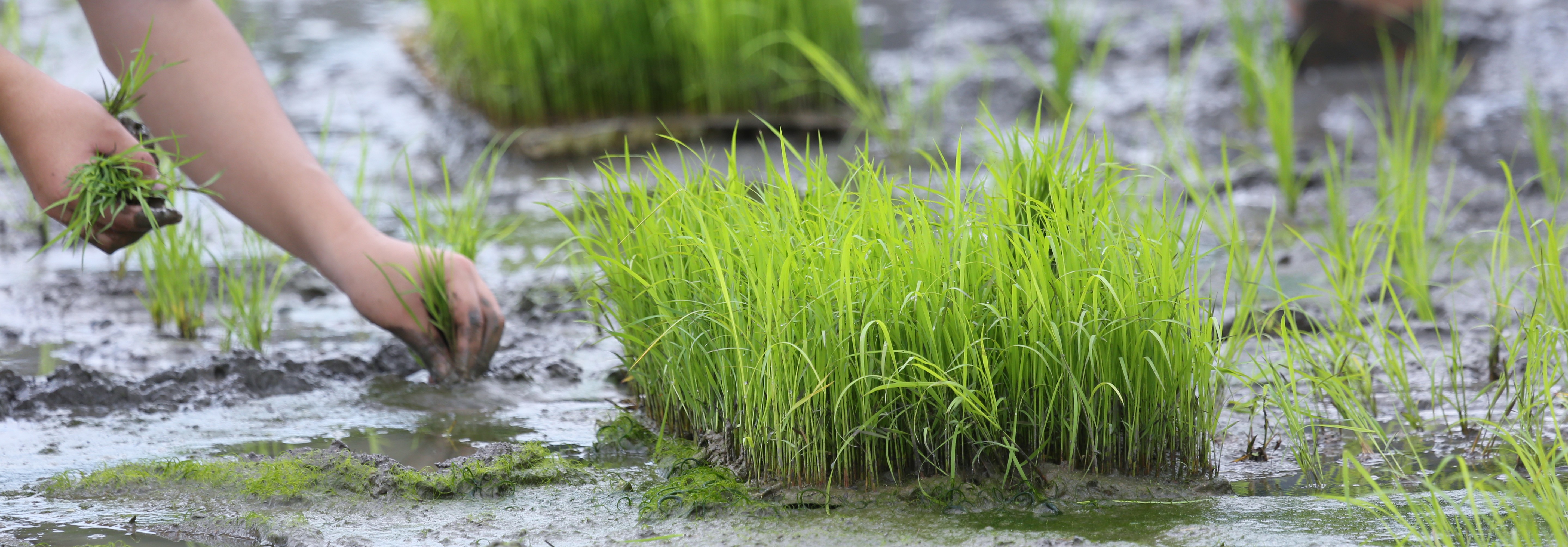
Malaysia has launched cloud seeding operations in its northern rice-producing regions as prolonged dry weather threatens national rice production and water supplies. The initiative, announced in early May 2026, targets the states of Kedah and Perlis, which are considered the country’s primary “rice bowl” areas.
Malaysia’s Minister of Agriculture and Food Security, Mohamad Sabu, said the drought has led to reduced rainfall, critically low dam levels, and delays in paddy planting activities. Authorities warned that farmers had already missed key planting phases due to insufficient water availability, raising concerns over domestic rice supply stability.
The cloud seeding programme is being carried out through cooperation between the Malaysian Meteorological Department (MetMalaysia), the National Disaster Management Agency (Nadma), and the Royal Malaysian Air Force. Operations are scheduled across several phases beginning May 10, 2026, with the goal of increasing rainfall in major agricultural and dam catchment areas.
Officials said the initiative is part of broader government efforts to strengthen climate resilience and food security as Malaysia faces increasingly volatile weather conditions linked to prolonged heatwaves and drought. In addition to cloud seeding, the government has introduced mitigation measures including alternative rice planting techniques and expansion of national rice buffer stocks to stabilise supply.
Kedah-and-Perlis cloud seeding combined with alternative rice planting techniques and buffer-stock expansion reflects appropriate multi-tool response to drought-and-food-security exposure. Cloud seeding is an operational-response measure; planting-technique and buffer-stock interventions build structural resilience. Both categories are necessary.
The climate-volatility framing is analytically important. Rice production concentration in specific climate zones creates systemic supply risk when those zones face climate stress; well-designed food-security policy combines geographic diversification, seed variety diversification and buffer-inventory management alongside acute-response tools. Malaysia's response architecture reflects awareness of this multi-dimensional challenge.
For agricultural aggregators, food processors, retailers, financial institutions with agri-food portfolio exposure and their sustainability advisors, Cognitud's climate action, nature-based solutions and sustainability due diligence teams help clients evaluate exposure under continued drought risk, structure long-term supply arrangements aligned with climate-resilient sourcing, and prepare disclosures aligned with CDP, TNFD, ISSB and jurisdictional agricultural-sustainability frameworks.

• 𝘛𝘩𝘦 𝘜𝘈𝘌 𝘍𝘰𝘰𝘥 𝘉𝘢𝘯𝘬 𝘢𝘯𝘥 𝘋𝘶𝘣𝘢𝘪’𝘴 𝘊𝘰𝘮𝘮𝘶𝘯𝘪𝘵𝘺 𝘋𝘦𝘷𝘦𝘭𝘰𝘱𝘮𝘦𝘯𝘵 𝘈𝘶𝘵𝘩𝘰𝘳𝘪𝘵𝘺 (𝘊𝘋𝘈) 𝘩𝘢𝘷𝘦 𝘴𝘪𝘨𝘯𝘦𝘥 𝘢𝘯 𝘢𝘨𝘳𝘦𝘦𝘮𝘦𝘯𝘵 𝘵𝘰 𝘤𝘰𝘭𝘭𝘦𝘤𝘵 𝘢𝘯𝘥 𝘳𝘦𝘥𝘪𝘴𝘵𝘳𝘪𝘣𝘶𝘵𝘦 𝘴𝘶𝘳𝘱𝘭𝘶𝘴 𝘧𝘰𝘰𝘥 𝘧𝘳𝘰𝘮 𝘸𝘦𝘥𝘥𝘪𝘯𝘨𝘴 𝘢𝘯𝘥 𝘦𝘷𝘦𝘯𝘵𝘴. • 𝘛𝘩𝘦 𝘪𝘯𝘪𝘵𝘪𝘢𝘵𝘪𝘷𝘦 𝘸𝘪𝘭𝘭 𝘧𝘰𝘭𝘭𝘰𝘸 𝘢𝘱𝘱𝘳𝘰𝘷𝘦𝘥…

<ul><li><i>India’s rooftop solar capacity reached 30.7 GW in July 2026, increasing the need for better grid management and flexibility.</i></li><li><i>Kerala and Maharashtra are exploring battery ener…

• 𝘛𝘩𝘦 𝘌𝘐𝘉 𝘎𝘳𝘰𝘶𝘱 𝘱𝘭𝘢𝘯𝘴 𝘵𝘰 𝘱𝘳𝘰𝘷𝘪𝘥𝘦 𝘢𝘵 𝘭𝘦𝘢𝘴𝘵 €30 𝘣𝘪𝘭𝘭𝘪𝘰𝘯 𝘧𝘰𝘳 𝘤𝘭𝘪𝘮𝘢𝘵𝘦 𝘢𝘥𝘢𝘱𝘵𝘢𝘵𝘪𝘰𝘯 𝘣𝘦𝘵𝘸𝘦𝘦𝘯 2026 𝘢𝘯𝘥 2030. • 𝘛𝘩𝘦 𝘯𝘦𝘸 𝘵𝘢𝘳𝘨𝘦𝘵 𝘥𝘰𝘶𝘣𝘭𝘦𝘴 𝘢𝘥𝘢𝘱𝘵𝘢𝘵𝘪𝘰𝘯 𝘧𝘪𝘯𝘢𝘯𝘤𝘪𝘯𝘨 𝘤𝘰𝘮𝘱𝘢𝘳𝘦𝘥 𝘸𝘪𝘵𝘩 𝘵𝘩𝘦 𝘱𝘳𝘦𝘷𝘪𝘰𝘶𝘴 𝘧𝘪𝘷𝘦-𝘺𝘦𝘢𝘳 𝘱𝘦𝘳𝘪𝘰𝘥. • 𝘍𝘶𝘯𝘥𝘪𝘯𝘨…