


02 January 2026
Analysts raised concerns over the pace and substance of Malaysia’s strategy for sustainable aviation fuel (SAF) adoption, highlighting that current policy frameworks lack binding requirements and clear enforcement mechanisms. While the country has set voluntary blending targets and ambitious production goals, experts caution that without stronger mandates or financial incentives, the domestic use of SAF may lag behind production capabilities.
Malaysia’s aviation sector has identified SAF as a key lever for reducing carbon emissions from air travel - a sector that remains one of the more challenging to decarbonise partly due to the high energy density needed for flight operations.
SAF typically involves blending conventional jet fuel with bio‑based alternatives such as waste cooking oil, agricultural residues or purpose‑grown feedstocks.
Despite recognised environmental potential, the cost of producing SAF remains significantly higher than conventional jet fuel, limiting incentives for airlines to adopt the fuel absent supportive policy signals.
Industry analysts pointed out that other markets such as the EU and the United States have implemented binding mandates or tax incentives that require or financially encourage minimum SAF use thresholds, driving a more rapid uptake and investment in supply chains.
In contrast, Malaysia’s voluntary targets could lead to a scenario in which the country becomes a production hub for SAF exports without achieving substantial domestic emissions reductions from its own carriers, undermining national climate goals.
As Malaysia seeks to expand its role in global aviation and align with broader climate commitments, experts argue that policymakers need to consider more robust regulatory frameworks, including potential blending mandates, tax breaks or subsidies to make SAF competitive with fossil‑based jet fuel. Such measures are seen as essential if the country is to translate production ambitions into tangible emissions reductions in the aviation sector.
SAF policy gaps in Malaysia illustrate how far actual airline decarbonisation is from CORSIA-aligned ambition, and they shape what airlines and refiners should plan for if a national mandate does eventually land. Our energy-transition and supply-chain-and-operations teams help clients evaluate what these gaps mean for SAF procurement and disclosure narrative.

• 𝘛𝘩𝘦 𝘜𝘈𝘌 𝘍𝘰𝘰𝘥 𝘉𝘢𝘯𝘬 𝘢𝘯𝘥 𝘋𝘶𝘣𝘢𝘪’𝘴 𝘊𝘰𝘮𝘮𝘶𝘯𝘪𝘵𝘺 𝘋𝘦𝘷𝘦𝘭𝘰𝘱𝘮𝘦𝘯𝘵 𝘈𝘶𝘵𝘩𝘰𝘳𝘪𝘵𝘺 (𝘊𝘋𝘈) 𝘩𝘢𝘷𝘦 𝘴𝘪𝘨𝘯𝘦𝘥 𝘢𝘯 𝘢𝘨𝘳𝘦𝘦𝘮𝘦𝘯𝘵 𝘵𝘰 𝘤𝘰𝘭𝘭𝘦𝘤𝘵 𝘢𝘯𝘥 𝘳𝘦𝘥𝘪𝘴𝘵𝘳𝘪𝘣𝘶𝘵𝘦 𝘴𝘶𝘳𝘱𝘭𝘶𝘴 𝘧𝘰𝘰𝘥 𝘧𝘳𝘰𝘮 𝘸𝘦𝘥𝘥𝘪𝘯𝘨𝘴 𝘢𝘯𝘥 𝘦𝘷𝘦𝘯𝘵𝘴. • 𝘛𝘩𝘦 𝘪𝘯𝘪𝘵𝘪𝘢𝘵𝘪𝘷𝘦 𝘸𝘪𝘭𝘭 𝘧𝘰𝘭𝘭𝘰𝘸 𝘢𝘱𝘱𝘳𝘰𝘷𝘦𝘥…
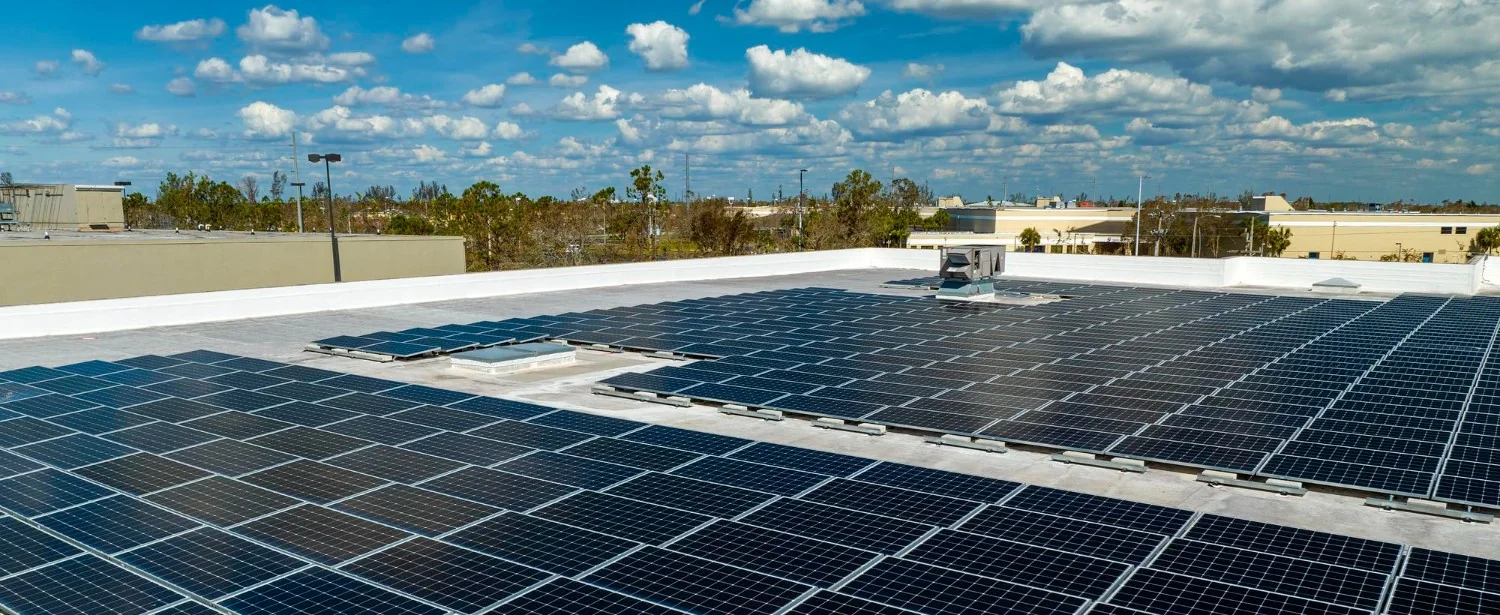
<ul><li><i>India’s rooftop solar capacity reached 30.7 GW in July 2026, increasing the need for better grid management and flexibility.</i></li><li><i>Kerala and Maharashtra are exploring battery ener…

• 𝘛𝘩𝘦 𝘌𝘐𝘉 𝘎𝘳𝘰𝘶𝘱 𝘱𝘭𝘢𝘯𝘴 𝘵𝘰 𝘱𝘳𝘰𝘷𝘪𝘥𝘦 𝘢𝘵 𝘭𝘦𝘢𝘴𝘵 €30 𝘣𝘪𝘭𝘭𝘪𝘰𝘯 𝘧𝘰𝘳 𝘤𝘭𝘪𝘮𝘢𝘵𝘦 𝘢𝘥𝘢𝘱𝘵𝘢𝘵𝘪𝘰𝘯 𝘣𝘦𝘵𝘸𝘦𝘦𝘯 2026 𝘢𝘯𝘥 2030. • 𝘛𝘩𝘦 𝘯𝘦𝘸 𝘵𝘢𝘳𝘨𝘦𝘵 𝘥𝘰𝘶𝘣𝘭𝘦𝘴 𝘢𝘥𝘢𝘱𝘵𝘢𝘵𝘪𝘰𝘯 𝘧𝘪𝘯𝘢𝘯𝘤𝘪𝘯𝘨 𝘤𝘰𝘮𝘱𝘢𝘳𝘦𝘥 𝘸𝘪𝘵𝘩 𝘵𝘩𝘦 𝘱𝘳𝘦𝘷𝘪𝘰𝘶𝘴 𝘧𝘪𝘷𝘦-𝘺𝘦𝘢𝘳 𝘱𝘦𝘳𝘪𝘰𝘥. • 𝘍𝘶𝘯𝘥𝘪𝘯𝘨…