


23 July 2025
Malaysia has firmly positioned itself as Southeast Asia’s next digital infrastructure powerhouse, with the upcoming National Sustainable Data Centre Framework (NSDCF) marking a transformative step. Spearheaded by the Ministry of Digital and MITI, this framework aimed to accelerate data centre growth while embedding strong sustainability metrics.
Backed by RM184.7 billion (US$43.6 billion) in investments since 2021, the initiative catalyzed rapid development across key hubs in Johor and Klang Valley, with capacity expected to hit 2.7 GW by 2027.
The NSDCF introduced a six-tier data centre classification system, focusing on sustainability performance indicators like PUE, CUE, and WUE. This structured approach enabled hyperscale players like Google, Microsoft, and Amazon to align with Malaysia’s ESG standards.
The Digital Ecosystem Acceleration Scheme (DESAC) and Corporate Renewable Energy Supply Scheme (CRESS) offered tax incentives and clean energy procurement pathways, ensuring investor interest aligned with Malaysia’s 2050 net-zero goal.
The government significantly streamlined the approval process through MIDA, and the Green Lane Pathway slashed power supply timelines from up to 48 months to just 12-removing major barriers for deployment. Key industry players like Princeton Digital Group and Bridge Data Centres moved quickly, initiating renewable-powered projects and securing long-term energy supply agreements with TNB to enhance their ESG profiles.
While energy demand posed risks-projected at 5,000 MW by 2035-Malaysia’s National Energy Transition Roadmap (NETR) outlined a clear strategy to achieve 70% renewable energy capacity by 2050. For investors, this ecosystem offered a rare blend of long-term growth, policy clarity, and green alignment, making Malaysia’s digital infrastructure sector a timely and compelling investment frontier.
Digital-infrastructure growth at this scale surfaces Scope 2 and water-use exposure for hyperscalers and colo operators very quickly - and NSDCF-adjacent frameworks will make that disclosure explicit rather than voluntary. Our data-and-digital and climate-action teams help clients evaluate data-centre-linked exposure and align disclosure with ISSB S2 and Bursa Malaysia expectations.

• 𝘛𝘩𝘦 𝘜𝘈𝘌 𝘍𝘰𝘰𝘥 𝘉𝘢𝘯𝘬 𝘢𝘯𝘥 𝘋𝘶𝘣𝘢𝘪’𝘴 𝘊𝘰𝘮𝘮𝘶𝘯𝘪𝘵𝘺 𝘋𝘦𝘷𝘦𝘭𝘰𝘱𝘮𝘦𝘯𝘵 𝘈𝘶𝘵𝘩𝘰𝘳𝘪𝘵𝘺 (𝘊𝘋𝘈) 𝘩𝘢𝘷𝘦 𝘴𝘪𝘨𝘯𝘦𝘥 𝘢𝘯 𝘢𝘨𝘳𝘦𝘦𝘮𝘦𝘯𝘵 𝘵𝘰 𝘤𝘰𝘭𝘭𝘦𝘤𝘵 𝘢𝘯𝘥 𝘳𝘦𝘥𝘪𝘴𝘵𝘳𝘪𝘣𝘶𝘵𝘦 𝘴𝘶𝘳𝘱𝘭𝘶𝘴 𝘧𝘰𝘰𝘥 𝘧𝘳𝘰𝘮 𝘸𝘦𝘥𝘥𝘪𝘯𝘨𝘴 𝘢𝘯𝘥 𝘦𝘷𝘦𝘯𝘵𝘴. • 𝘛𝘩𝘦 𝘪𝘯𝘪𝘵𝘪𝘢𝘵𝘪𝘷𝘦 𝘸𝘪𝘭𝘭 𝘧𝘰𝘭𝘭𝘰𝘸 𝘢𝘱𝘱𝘳𝘰𝘷𝘦𝘥…
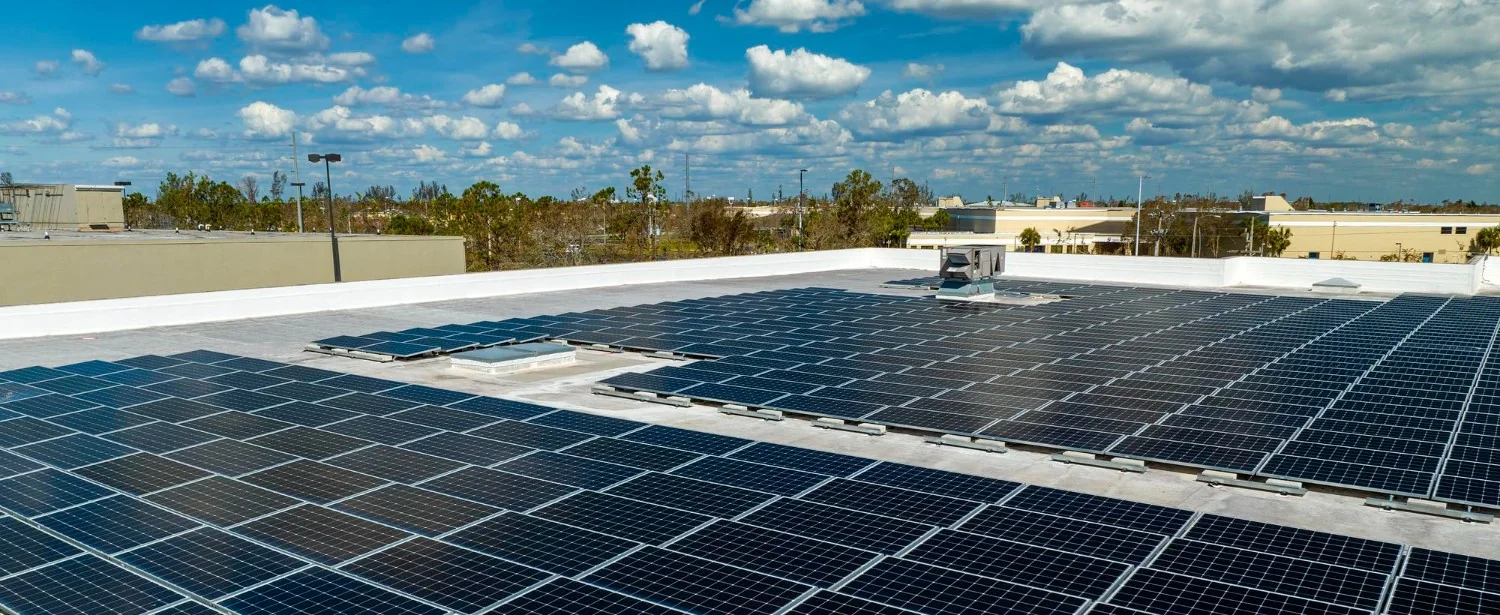
<ul><li><i>India’s rooftop solar capacity reached 30.7 GW in July 2026, increasing the need for better grid management and flexibility.</i></li><li><i>Kerala and Maharashtra are exploring battery ener…
• 𝘛𝘩𝘦 𝘌𝘐𝘉 𝘎𝘳𝘰𝘶𝘱 𝘱𝘭𝘢𝘯𝘴 𝘵𝘰 𝘱𝘳𝘰𝘷𝘪𝘥𝘦 𝘢𝘵 𝘭𝘦𝘢𝘴𝘵 €30 𝘣𝘪𝘭𝘭𝘪𝘰𝘯 𝘧𝘰𝘳 𝘤𝘭𝘪𝘮𝘢𝘵𝘦 𝘢𝘥𝘢𝘱𝘵𝘢𝘵𝘪𝘰𝘯 𝘣𝘦𝘵𝘸𝘦𝘦𝘯 2026 𝘢𝘯𝘥 2030. • 𝘛𝘩𝘦 𝘯𝘦𝘸 𝘵𝘢𝘳𝘨𝘦𝘵 𝘥𝘰𝘶𝘣𝘭𝘦𝘴 𝘢𝘥𝘢𝘱𝘵𝘢𝘵𝘪𝘰𝘯 𝘧𝘪𝘯𝘢𝘯𝘤𝘪𝘯𝘨 𝘤𝘰𝘮𝘱𝘢𝘳𝘦𝘥 𝘸𝘪𝘵𝘩 𝘵𝘩𝘦 𝘱𝘳𝘦𝘷𝘪𝘰𝘶𝘴 𝘧𝘪𝘷𝘦-𝘺𝘦𝘢𝘳 𝘱𝘦𝘳𝘪𝘰𝘥. • 𝘍𝘶𝘯𝘥𝘪𝘯𝘨…