


13 October 2025
Malaysia, as ASEAN Chair for 2025, has unveiled a forward-looking strategy to steer the region toward a sustainable and inclusive future under the theme “Inclusivity and Sustainability.” The country aims to strengthen ASEAN’s economic integration while embedding climate resilience, equitable development, and digital innovation at the core of its agenda. The plan aligns with ASEAN’s commitment to achieving net-zero emissions and narrowing socio-economic gaps among member nations.
At the heart of this vision is the ASEAN Economic Community Strategic Plan 2026-2030, which identifies 18 priority deliverables. These include expanding intra-regional trade and investment, scaling up green and transition finance, and promoting MSME participation in sustainable value chains. The plan also emphasises digital transformation as a driver of economic inclusion, alongside enhanced cooperation on supply-chain resilience, labour mobility, and renewable-energy adoption.
Malaysia’s leadership also highlights the development of region-wide frameworks such as the ASEAN Taxonomy for Sustainable Finance and Transition Finance Guidance, which will support transparent investment flows into low-carbon sectors. Through these initiatives, ASEAN seeks to strengthen its collective response to climate risks, boost green-technology innovation, and ensure that growth across Southeast Asia remains both equitable and environmentally sound.
The ASEAN Economic Community Strategic Plan 2026-2030 with 18 priority deliverables plus ASEAN Taxonomy for Sustainable Finance and Transition Finance Guidance provides the regional-integration architecture that individual-country policies cannot achieve alone. Cross-border harmonisation matters for investment mobilisation, market efficiency and comparable disclosure across member states.
Green-and-transition finance combined with MSME participation in sustainable value chains addresses the inclusion challenge that has historically limited sustainability policy effectiveness. Large-company decarbonisation is important but insufficient; MSMEs form the majority of ASEAN economic activity and require dedicated support to participate meaningfully.
For corporates operating across ASEAN, financial institutions with regional portfolio exposure and their sustainability advisors, Cognitud's ESG strategy and transformation, responsible investment and market intelligence teams help clients evaluate exposure and opportunities under Malaysia-led ASEAN sustainability agenda, structure long-term commercial arrangements aligned with ASEAN Taxonomy and Transition Finance Guidance, and prepare disclosures aligned with regional exchanges, ISSB and jurisdictional ASEAN sustainability frameworks.

• 𝘛𝘩𝘦 𝘜𝘈𝘌 𝘍𝘰𝘰𝘥 𝘉𝘢𝘯𝘬 𝘢𝘯𝘥 𝘋𝘶𝘣𝘢𝘪’𝘴 𝘊𝘰𝘮𝘮𝘶𝘯𝘪𝘵𝘺 𝘋𝘦𝘷𝘦𝘭𝘰𝘱𝘮𝘦𝘯𝘵 𝘈𝘶𝘵𝘩𝘰𝘳𝘪𝘵𝘺 (𝘊𝘋𝘈) 𝘩𝘢𝘷𝘦 𝘴𝘪𝘨𝘯𝘦𝘥 𝘢𝘯 𝘢𝘨𝘳𝘦𝘦𝘮𝘦𝘯𝘵 𝘵𝘰 𝘤𝘰𝘭𝘭𝘦𝘤𝘵 𝘢𝘯𝘥 𝘳𝘦𝘥𝘪𝘴𝘵𝘳𝘪𝘣𝘶𝘵𝘦 𝘴𝘶𝘳𝘱𝘭𝘶𝘴 𝘧𝘰𝘰𝘥 𝘧𝘳𝘰𝘮 𝘸𝘦𝘥𝘥𝘪𝘯𝘨𝘴 𝘢𝘯𝘥 𝘦𝘷𝘦𝘯𝘵𝘴. • 𝘛𝘩𝘦 𝘪𝘯𝘪𝘵𝘪𝘢𝘵𝘪𝘷𝘦 𝘸𝘪𝘭𝘭 𝘧𝘰𝘭𝘭𝘰𝘸 𝘢𝘱𝘱𝘳𝘰𝘷𝘦𝘥…
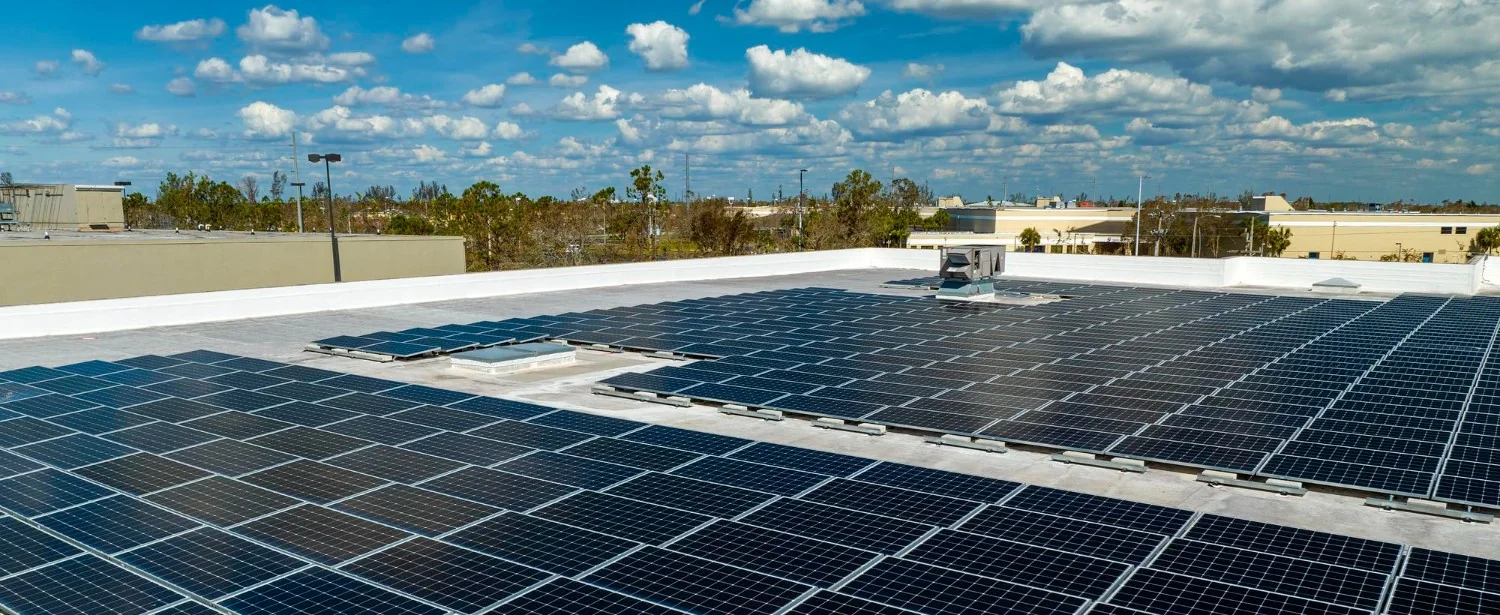
<ul><li><i>India’s rooftop solar capacity reached 30.7 GW in July 2026, increasing the need for better grid management and flexibility.</i></li><li><i>Kerala and Maharashtra are exploring battery ener…

• 𝘛𝘩𝘦 𝘌𝘐𝘉 𝘎𝘳𝘰𝘶𝘱 𝘱𝘭𝘢𝘯𝘴 𝘵𝘰 𝘱𝘳𝘰𝘷𝘪𝘥𝘦 𝘢𝘵 𝘭𝘦𝘢𝘴𝘵 €30 𝘣𝘪𝘭𝘭𝘪𝘰𝘯 𝘧𝘰𝘳 𝘤𝘭𝘪𝘮𝘢𝘵𝘦 𝘢𝘥𝘢𝘱𝘵𝘢𝘵𝘪𝘰𝘯 𝘣𝘦𝘵𝘸𝘦𝘦𝘯 2026 𝘢𝘯𝘥 2030. • 𝘛𝘩𝘦 𝘯𝘦𝘸 𝘵𝘢𝘳𝘨𝘦𝘵 𝘥𝘰𝘶𝘣𝘭𝘦𝘴 𝘢𝘥𝘢𝘱𝘵𝘢𝘵𝘪𝘰𝘯 𝘧𝘪𝘯𝘢𝘯𝘤𝘪𝘯𝘨 𝘤𝘰𝘮𝘱𝘢𝘳𝘦𝘥 𝘸𝘪𝘵𝘩 𝘵𝘩𝘦 𝘱𝘳𝘦𝘷𝘪𝘰𝘶𝘴 𝘧𝘪𝘷𝘦-𝘺𝘦𝘢𝘳 𝘱𝘦𝘳𝘪𝘰𝘥. • 𝘍𝘶𝘯𝘥𝘪𝘯𝘨…