


25 March 2026
Malaysia has stated that it is not at risk of “water bankruptcy”, citing abundant natural water resources, but has warned that urgent reforms are needed to ensure long-term sustainability. The Ministry of Energy Transition and Water Transformation (PETRA) emphasised that the country’s challenge lies not in water scarcity, but in how water resources are managed and protected.
The country receives over 2,500 mm of rainfall annually and has renewable water resources exceeding 580 billion cubic metres, indicating sufficient supply. However, authorities stressed that inefficient management, pollution and system losses pose significant risks to future water security.
Key issues highlighted include river pollution, encroachment into water catchment areas, and lack of integration between alternative water sources such as groundwater, recycled water and rainwater harvesting systems. Additionally, Malaysia’s non-revenue water (NRW) rate remains high at over 34%, leading to substantial water losses and economic inefficiencies.
With water demand expected to rise significantly by 2030, the government has called for integrated water resource management, improved infrastructure and stronger governance frameworks. The move reflects a growing focus on strengthening water resilience and ensuring sustainable supply amid increasing environmental and urban pressures."
Adequate natural water resources (over 2,500 mm annual rainfall, 580+ billion cubic metres of renewable water) combined with the 34 percent non-revenue-water (NRW) rate illustrates that Malaysian water sustainability is a management-and-infrastructure challenge rather than fundamental supply constraint. High NRW rates represent both operational-cost losses and lost service capacity that could otherwise meet growing demand.
Integrated water resource management combining alternative sources (groundwater, recycled water, rainwater harvesting) with infrastructure investment and stronger governance frameworks addresses the systemic dimensions that piecemeal approaches typically fail to resolve. Rising 2030 demand projections make reform urgency real.
For water utilities, industrial water consumers, technology providers and financial institutions supporting Southeast Asian water-sector investment, Cognitud's climate action, impact assessment and data and digital teams help clients evaluate integrated water-management investment opportunities, structure long-term technology-partnership arrangements, and prepare disclosures aligned with CDP Water, TNFD and jurisdictional water-stewardship frameworks that increasingly determine access to blue-and-green sustainable finance across ASEAN.

• 𝘛𝘩𝘦 𝘜𝘈𝘌 𝘍𝘰𝘰𝘥 𝘉𝘢𝘯𝘬 𝘢𝘯𝘥 𝘋𝘶𝘣𝘢𝘪’𝘴 𝘊𝘰𝘮𝘮𝘶𝘯𝘪𝘵𝘺 𝘋𝘦𝘷𝘦𝘭𝘰𝘱𝘮𝘦𝘯𝘵 𝘈𝘶𝘵𝘩𝘰𝘳𝘪𝘵𝘺 (𝘊𝘋𝘈) 𝘩𝘢𝘷𝘦 𝘴𝘪𝘨𝘯𝘦𝘥 𝘢𝘯 𝘢𝘨𝘳𝘦𝘦𝘮𝘦𝘯𝘵 𝘵𝘰 𝘤𝘰𝘭𝘭𝘦𝘤𝘵 𝘢𝘯𝘥 𝘳𝘦𝘥𝘪𝘴𝘵𝘳𝘪𝘣𝘶𝘵𝘦 𝘴𝘶𝘳𝘱𝘭𝘶𝘴 𝘧𝘰𝘰𝘥 𝘧𝘳𝘰𝘮 𝘸𝘦𝘥𝘥𝘪𝘯𝘨𝘴 𝘢𝘯𝘥 𝘦𝘷𝘦𝘯𝘵𝘴. • 𝘛𝘩𝘦 𝘪𝘯𝘪𝘵𝘪𝘢𝘵𝘪𝘷𝘦 𝘸𝘪𝘭𝘭 𝘧𝘰𝘭𝘭𝘰𝘸 𝘢𝘱𝘱𝘳𝘰𝘷𝘦𝘥…
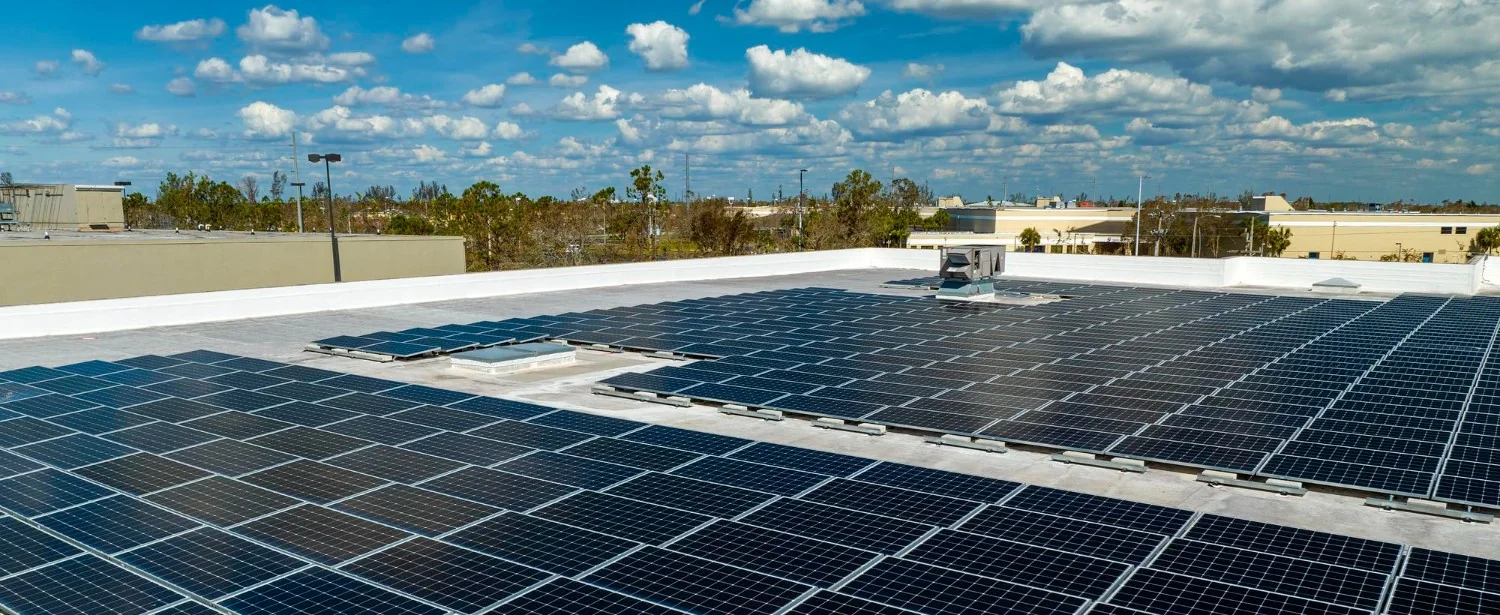
<ul><li><i>India’s rooftop solar capacity reached 30.7 GW in July 2026, increasing the need for better grid management and flexibility.</i></li><li><i>Kerala and Maharashtra are exploring battery ener…

• 𝘛𝘩𝘦 𝘌𝘐𝘉 𝘎𝘳𝘰𝘶𝘱 𝘱𝘭𝘢𝘯𝘴 𝘵𝘰 𝘱𝘳𝘰𝘷𝘪𝘥𝘦 𝘢𝘵 𝘭𝘦𝘢𝘴𝘵 €30 𝘣𝘪𝘭𝘭𝘪𝘰𝘯 𝘧𝘰𝘳 𝘤𝘭𝘪𝘮𝘢𝘵𝘦 𝘢𝘥𝘢𝘱𝘵𝘢𝘵𝘪𝘰𝘯 𝘣𝘦𝘵𝘸𝘦𝘦𝘯 2026 𝘢𝘯𝘥 2030. • 𝘛𝘩𝘦 𝘯𝘦𝘸 𝘵𝘢𝘳𝘨𝘦𝘵 𝘥𝘰𝘶𝘣𝘭𝘦𝘴 𝘢𝘥𝘢𝘱𝘵𝘢𝘵𝘪𝘰𝘯 𝘧𝘪𝘯𝘢𝘯𝘤𝘪𝘯𝘨 𝘤𝘰𝘮𝘱𝘢𝘳𝘦𝘥 𝘸𝘪𝘵𝘩 𝘵𝘩𝘦 𝘱𝘳𝘦𝘷𝘪𝘰𝘶𝘴 𝘧𝘪𝘷𝘦-𝘺𝘦𝘢𝘳 𝘱𝘦𝘳𝘪𝘰𝘥. • 𝘍𝘶𝘯𝘥𝘪𝘯𝘨…