


18 July 2025
Kuwait took a significant step toward sustainable development by unveiling its National Strategy for Green Economy 2035. The announcement was made by the Environment Public Authority (EPA) in collaboration with the General Secretariat of the Supreme Council for Planning and Development. The strategy aimed to transition the country toward an environmentally responsible and economically diversified future.
The plan outlined a set of initiatives focused on boosting green investments, creating sustainable jobs, and enhancing natural resource efficiency. It also emphasized the importance of aligning national development with international climate commitments, including the UN Sustainable Development Goals (SDGs). Officials highlighted that the strategy would help Kuwait reduce its environmental footprint while unlocking new opportunities for growth.
The strategy’s implementation was structured around partnerships with both the public and private sectors. Government authorities confirmed that a number of pilot projects and green infrastructure programs had already been identified, with timelines leading up to 2035. These include areas such as clean energy, sustainable transportation, and circular economy practices.
With this bold vision, Kuwait reaffirmed its commitment to building a greener, more resilient economy. The launch signaled a shift from planning to action, positioning the country as a proactive player in the global sustainability agenda.
National Strategy for Green Economy 2035 combining green investment, sustainable jobs, natural-resource efficiency, and SDG alignment plus phased implementation with pilot projects reflects appropriate transition-strategy architecture. Long-horizon strategies with near-term pilots enable learning-and-adjustment that pure long-horizon commitments cannot.
The economic-diversification framing is critical for Gulf jurisdictions. Reducing hydrocarbon-revenue dependence requires substantive alternative-sector development; green economy positioning creates both environmental and economic-resilience benefits. Successful diversification typically requires multi-decade sustained investment rather than single-programme initiatives.
For corporates operating in Kuwait, financial institutions with Kuwait portfolio exposure, technology providers and consultancies, Cognitud's ESG strategy and transformation, energy transition and impact assessment teams help clients evaluate Green-Economy-Strategy-linked opportunities across clean energy, sustainable transport and circular economy, structure long-term commercial arrangements aligned with 2035 delivery priorities, and prepare disclosures aligned with Boursa Kuwait, ISSB and jurisdictional green-economy frameworks.

• 𝘛𝘩𝘦 𝘜𝘈𝘌 𝘍𝘰𝘰𝘥 𝘉𝘢𝘯𝘬 𝘢𝘯𝘥 𝘋𝘶𝘣𝘢𝘪’𝘴 𝘊𝘰𝘮𝘮𝘶𝘯𝘪𝘵𝘺 𝘋𝘦𝘷𝘦𝘭𝘰𝘱𝘮𝘦𝘯𝘵 𝘈𝘶𝘵𝘩𝘰𝘳𝘪𝘵𝘺 (𝘊𝘋𝘈) 𝘩𝘢𝘷𝘦 𝘴𝘪𝘨𝘯𝘦𝘥 𝘢𝘯 𝘢𝘨𝘳𝘦𝘦𝘮𝘦𝘯𝘵 𝘵𝘰 𝘤𝘰𝘭𝘭𝘦𝘤𝘵 𝘢𝘯𝘥 𝘳𝘦𝘥𝘪𝘴𝘵𝘳𝘪𝘣𝘶𝘵𝘦 𝘴𝘶𝘳𝘱𝘭𝘶𝘴 𝘧𝘰𝘰𝘥 𝘧𝘳𝘰𝘮 𝘸𝘦𝘥𝘥𝘪𝘯𝘨𝘴 𝘢𝘯𝘥 𝘦𝘷𝘦𝘯𝘵𝘴. • 𝘛𝘩𝘦 𝘪𝘯𝘪𝘵𝘪𝘢𝘵𝘪𝘷𝘦 𝘸𝘪𝘭𝘭 𝘧𝘰𝘭𝘭𝘰𝘸 𝘢𝘱𝘱𝘳𝘰𝘷𝘦𝘥…
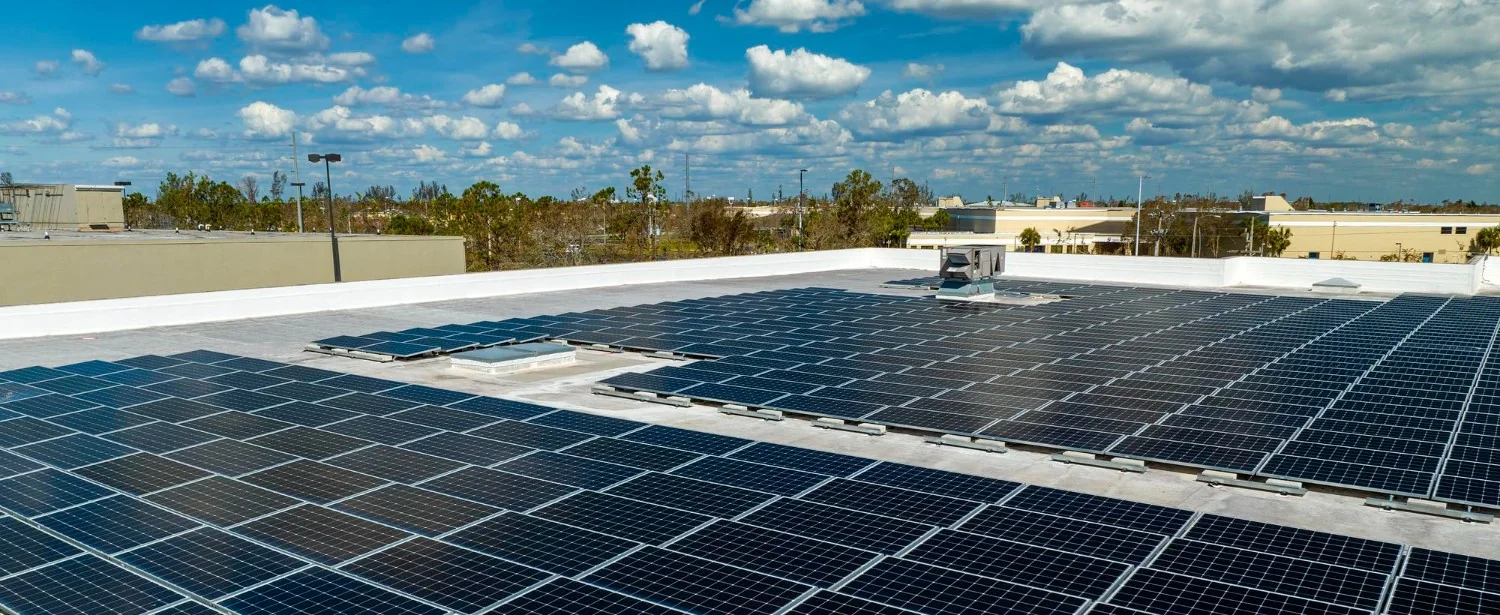
<ul><li><i>India’s rooftop solar capacity reached 30.7 GW in July 2026, increasing the need for better grid management and flexibility.</i></li><li><i>Kerala and Maharashtra are exploring battery ener…
• 𝘛𝘩𝘦 𝘌𝘐𝘉 𝘎𝘳𝘰𝘶𝘱 𝘱𝘭𝘢𝘯𝘴 𝘵𝘰 𝘱𝘳𝘰𝘷𝘪𝘥𝘦 𝘢𝘵 𝘭𝘦𝘢𝘴𝘵 €30 𝘣𝘪𝘭𝘭𝘪𝘰𝘯 𝘧𝘰𝘳 𝘤𝘭𝘪𝘮𝘢𝘵𝘦 𝘢𝘥𝘢𝘱𝘵𝘢𝘵𝘪𝘰𝘯 𝘣𝘦𝘵𝘸𝘦𝘦𝘯 2026 𝘢𝘯𝘥 2030. • 𝘛𝘩𝘦 𝘯𝘦𝘸 𝘵𝘢𝘳𝘨𝘦𝘵 𝘥𝘰𝘶𝘣𝘭𝘦𝘴 𝘢𝘥𝘢𝘱𝘵𝘢𝘵𝘪𝘰𝘯 𝘧𝘪𝘯𝘢𝘯𝘤𝘪𝘯𝘨 𝘤𝘰𝘮𝘱𝘢𝘳𝘦𝘥 𝘸𝘪𝘵𝘩 𝘵𝘩𝘦 𝘱𝘳𝘦𝘷𝘪𝘰𝘶𝘴 𝘧𝘪𝘷𝘦-𝘺𝘦𝘢𝘳 𝘱𝘦𝘳𝘪𝘰𝘥. • 𝘍𝘶𝘯𝘥𝘪𝘯𝘨…