

08 June 2026
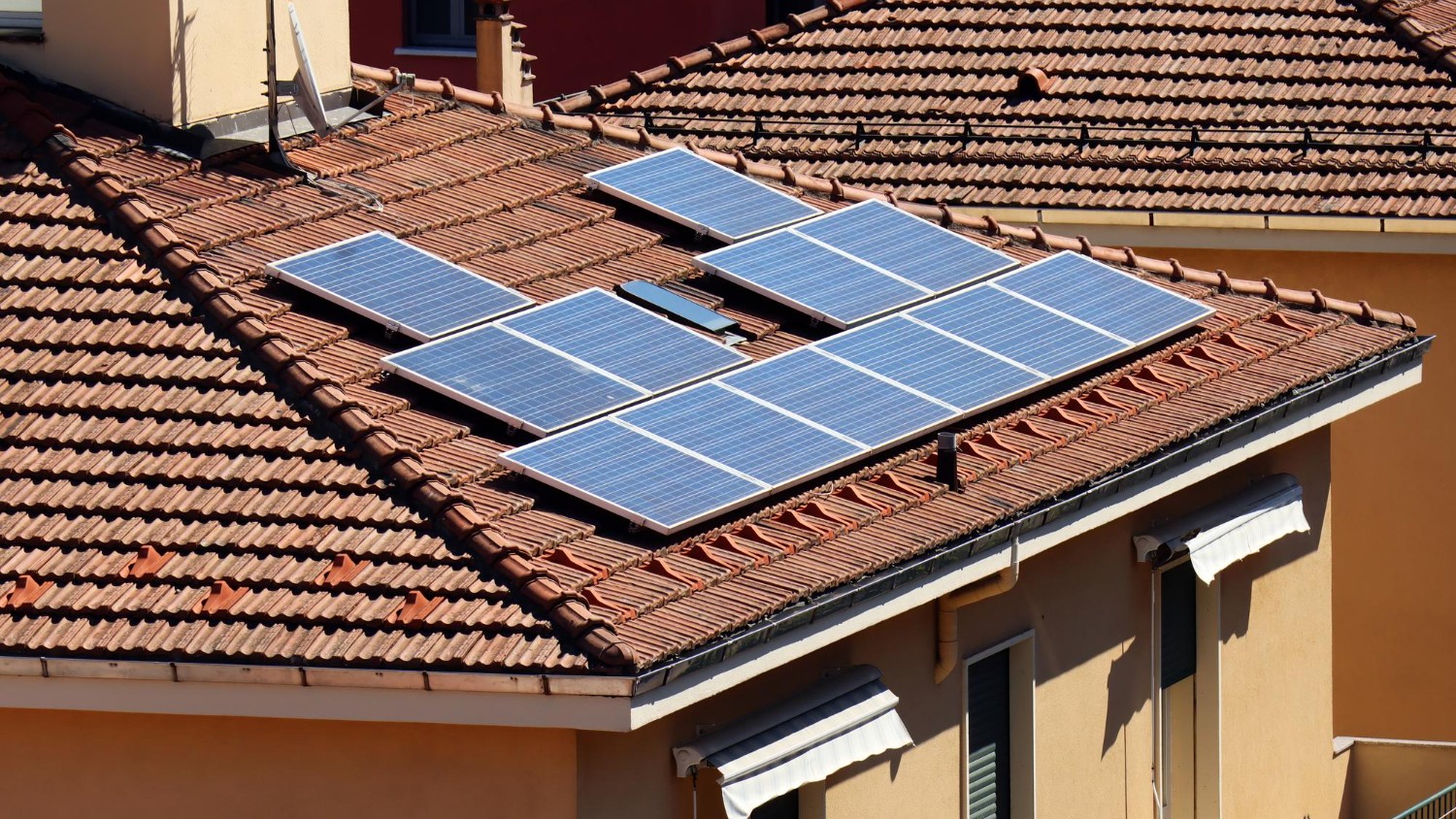
India’s flagship rooftop solar initiative, the PM Surya Ghar Muft Bijli Yojana, has surpassed 41 lakh solar-powered households, marking a major milestone in the country’s push toward decentralized clean energy. Union New & Renewable Energy Minister Pralhad Joshi said the government is confident of reaching 75 lakh households by December 2026, driven by strong public participation and rapid installation growth.
Launched in February 2024 with an outlay of ₹75,021 crore, the scheme aims to provide rooftop solar systems to one crore households, enabling families to receive up to 300 units of free electricity per month. To encourage adoption, the government offers substantial subsidies, including up to ₹78,000 for systems of 3 kW and above.
According to Joshi, more than 65 lakh applications are already in the pipeline, reflecting strong demand across the country. The minister highlighted that rooftop solar installations have surged from roughly 7,000 per month before the scheme’s launch to more than 3 lakh per month today, demonstrating the rapid pace of adoption.
The program is also delivering tangible economic benefits. Over 17 lakh households have recorded zero electricity bills, while participating families have collectively earned more than ₹421 crore by selling surplus power back to the grid. Government support has remained significant, with more than ₹22,750 crore in subsidies disbursed so far.
Progress is also being made in the public sector. Around 53,874 government buildings have been solarized, representing 855 MW of installed capacity and nearly 80% of the targeted installations.
With record deployment levels-including 3.16 lakh rooftop installations in May 2026 alone-the scheme is emerging as one of India’s fastest-growing clean energy programs, strengthening household energy security while advancing the country’s renewable energy ambitions.
41 lakh rooftop installations is genuine scale, and it changes financing, installation supply-chain and Scope 2 optionality for residential-adjacent corporates. Our energy-transition and responsible-investment teams help clients evaluate distributed-solar opportunities and financing structures.

• 𝘛𝘩𝘦 𝘜𝘈𝘌 𝘍𝘰𝘰𝘥 𝘉𝘢𝘯𝘬 𝘢𝘯𝘥 𝘋𝘶𝘣𝘢𝘪’𝘴 𝘊𝘰𝘮𝘮𝘶𝘯𝘪𝘵𝘺 𝘋𝘦𝘷𝘦𝘭𝘰𝘱𝘮𝘦𝘯𝘵 𝘈𝘶𝘵𝘩𝘰𝘳𝘪𝘵𝘺 (𝘊𝘋𝘈) 𝘩𝘢𝘷𝘦 𝘴𝘪𝘨𝘯𝘦𝘥 𝘢𝘯 𝘢𝘨𝘳𝘦𝘦𝘮𝘦𝘯𝘵 𝘵𝘰 𝘤𝘰𝘭𝘭𝘦𝘤𝘵 𝘢𝘯𝘥 𝘳𝘦𝘥𝘪𝘴𝘵𝘳𝘪𝘣𝘶𝘵𝘦 𝘴𝘶𝘳𝘱𝘭𝘶𝘴 𝘧𝘰𝘰𝘥 𝘧𝘳𝘰𝘮 𝘸𝘦𝘥𝘥𝘪𝘯𝘨𝘴 𝘢𝘯𝘥 𝘦𝘷𝘦𝘯𝘵𝘴. • 𝘛𝘩𝘦 𝘪𝘯𝘪𝘵𝘪𝘢𝘵𝘪𝘷𝘦 𝘸𝘪𝘭𝘭 𝘧𝘰𝘭𝘭𝘰𝘸 𝘢𝘱𝘱𝘳𝘰𝘷𝘦𝘥…

<ul><li><i>India’s rooftop solar capacity reached 30.7 GW in July 2026, increasing the need for better grid management and flexibility.</i></li><li><i>Kerala and Maharashtra are exploring battery ener…

• 𝘛𝘩𝘦 𝘌𝘐𝘉 𝘎𝘳𝘰𝘶𝘱 𝘱𝘭𝘢𝘯𝘴 𝘵𝘰 𝘱𝘳𝘰𝘷𝘪𝘥𝘦 𝘢𝘵 𝘭𝘦𝘢𝘴𝘵 €30 𝘣𝘪𝘭𝘭𝘪𝘰𝘯 𝘧𝘰𝘳 𝘤𝘭𝘪𝘮𝘢𝘵𝘦 𝘢𝘥𝘢𝘱𝘵𝘢𝘵𝘪𝘰𝘯 𝘣𝘦𝘵𝘸𝘦𝘦𝘯 2026 𝘢𝘯𝘥 2030. • 𝘛𝘩𝘦 𝘯𝘦𝘸 𝘵𝘢𝘳𝘨𝘦𝘵 𝘥𝘰𝘶𝘣𝘭𝘦𝘴 𝘢𝘥𝘢𝘱𝘵𝘢𝘵𝘪𝘰𝘯 𝘧𝘪𝘯𝘢𝘯𝘤𝘪𝘯𝘨 𝘤𝘰𝘮𝘱𝘢𝘳𝘦𝘥 𝘸𝘪𝘵𝘩 𝘵𝘩𝘦 𝘱𝘳𝘦𝘷𝘪𝘰𝘶𝘴 𝘧𝘪𝘷𝘦-𝘺𝘦𝘢𝘳 𝘱𝘦𝘳𝘪𝘰𝘥. • 𝘍𝘶𝘯𝘥𝘪𝘯𝘨…