


17 February 2026
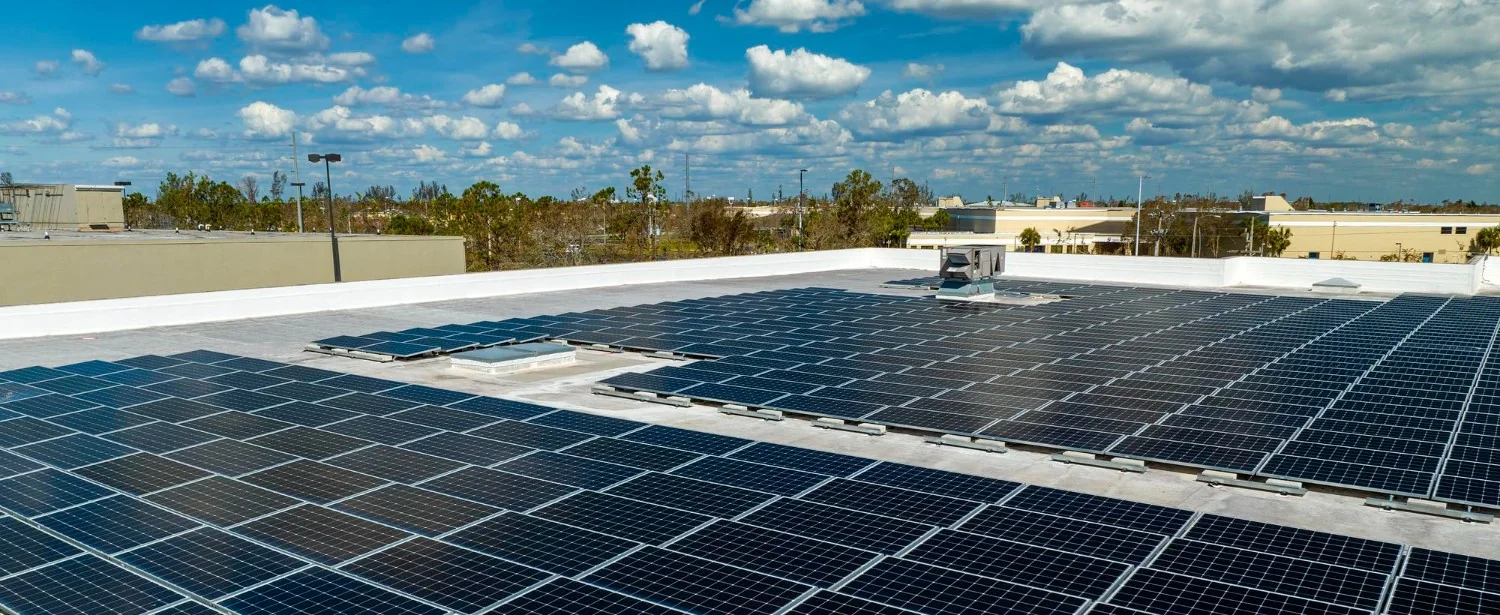
India’s ambitious rooftop solar expansion programme, championed by Prime Minister Narendra Modi, is progressing slower than expected due to limited support from banks and uneven implementation by state governments, according to a recent report by Reuters.
The government aims to rapidly scale rooftop solar installations as part of its broader clean energy and emissions-reduction goals. However, lenders have shown reluctance to finance small-scale rooftop projects, citing concerns over credit risk, repayment capacity of households, and limited experience with decentralised solar lending models. This has constrained access to affordable financing, especially for low- and middle-income consumers.
State governments, which play a critical role in executing the programme, have also contributed to delays. Variations in policy implementation, slow approvals, and weak coordination with power distribution companies have reduced the pace of installations. In some states, utilities view rooftop solar as a threat to revenues, further dampening local support for the initiative.
Despite these challenges, rooftop solar remains central to India’s energy transition strategy. The government continues to promote subsidies and policy incentives, but experts note that without stronger lender participation, streamlined state-level execution, and improved risk-sharing mechanisms, India may struggle to meet its rooftop solar targets within planned timelines.
Bank reluctance combined with state-level implementation variation captures the two persistent bottlenecks in India's rooftop-solar expansion. Small-ticket residential lending requires different credit-and-collections architecture than institutional-scale lending; utility-distribution-company resistance where rooftop solar affects revenue models requires policy-and-tariff-design solutions that political capital does not always deliver.
The credit-risk-and-DISCOM-alignment challenges are structural. Well-designed solutions include third-party ownership models that shift credit risk from households, DISCOM-linked bill-financing that reduces collection friction, and net-metering-versus-gross-metering-versus-feed-in-tariff design that aligns utility economics with rooftop solar deployment. India's programme has been experimenting across all these approaches.
For rooftop solar developers, banks, DISCOMs, financial institutions and technology providers active in Indian distributed-solar investment, Cognitud's energy transition, responsible investment and market intelligence teams help clients evaluate rooftop-solar opportunities across ownership-model variations, structure long-term commercial arrangements aligned with financing-and-execution realities, and prepare disclosures aligned with BRSR, ISSB and jurisdictional distributed-solar frameworks.

• 𝘛𝘩𝘦 𝘜𝘈𝘌 𝘍𝘰𝘰𝘥 𝘉𝘢𝘯𝘬 𝘢𝘯𝘥 𝘋𝘶𝘣𝘢𝘪’𝘴 𝘊𝘰𝘮𝘮𝘶𝘯𝘪𝘵𝘺 𝘋𝘦𝘷𝘦𝘭𝘰𝘱𝘮𝘦𝘯𝘵 𝘈𝘶𝘵𝘩𝘰𝘳𝘪𝘵𝘺 (𝘊𝘋𝘈) 𝘩𝘢𝘷𝘦 𝘴𝘪𝘨𝘯𝘦𝘥 𝘢𝘯 𝘢𝘨𝘳𝘦𝘦𝘮𝘦𝘯𝘵 𝘵𝘰 𝘤𝘰𝘭𝘭𝘦𝘤𝘵 𝘢𝘯𝘥 𝘳𝘦𝘥𝘪𝘴𝘵𝘳𝘪𝘣𝘶𝘵𝘦 𝘴𝘶𝘳𝘱𝘭𝘶𝘴 𝘧𝘰𝘰𝘥 𝘧𝘳𝘰𝘮 𝘸𝘦𝘥𝘥𝘪𝘯𝘨𝘴 𝘢𝘯𝘥 𝘦𝘷𝘦𝘯𝘵𝘴. • 𝘛𝘩𝘦 𝘪𝘯𝘪𝘵𝘪𝘢𝘵𝘪𝘷𝘦 𝘸𝘪𝘭𝘭 𝘧𝘰𝘭𝘭𝘰𝘸 𝘢𝘱𝘱𝘳𝘰𝘷𝘦𝘥…
<ul><li><i>India’s rooftop solar capacity reached 30.7 GW in July 2026, increasing the need for better grid management and flexibility.</i></li><li><i>Kerala and Maharashtra are exploring battery ener…

• 𝘛𝘩𝘦 𝘌𝘐𝘉 𝘎𝘳𝘰𝘶𝘱 𝘱𝘭𝘢𝘯𝘴 𝘵𝘰 𝘱𝘳𝘰𝘷𝘪𝘥𝘦 𝘢𝘵 𝘭𝘦𝘢𝘴𝘵 €30 𝘣𝘪𝘭𝘭𝘪𝘰𝘯 𝘧𝘰𝘳 𝘤𝘭𝘪𝘮𝘢𝘵𝘦 𝘢𝘥𝘢𝘱𝘵𝘢𝘵𝘪𝘰𝘯 𝘣𝘦𝘵𝘸𝘦𝘦𝘯 2026 𝘢𝘯𝘥 2030. • 𝘛𝘩𝘦 𝘯𝘦𝘸 𝘵𝘢𝘳𝘨𝘦𝘵 𝘥𝘰𝘶𝘣𝘭𝘦𝘴 𝘢𝘥𝘢𝘱𝘵𝘢𝘵𝘪𝘰𝘯 𝘧𝘪𝘯𝘢𝘯𝘤𝘪𝘯𝘨 𝘤𝘰𝘮𝘱𝘢𝘳𝘦𝘥 𝘸𝘪𝘵𝘩 𝘵𝘩𝘦 𝘱𝘳𝘦𝘷𝘪𝘰𝘶𝘴 𝘧𝘪𝘷𝘦-𝘺𝘦𝘢𝘳 𝘱𝘦𝘳𝘪𝘰𝘥. • 𝘍𝘶𝘯𝘥𝘪𝘯𝘨…