


23 April 2026
India’s renewable energy sector is set to witness a significant surge in investments, with an estimated ₹6–7 lakh crore expected to flow into the segment over the coming years. This growth is being driven by rising electricity demand, a strong push toward clean energy, and continued policy support aimed at accelerating the country’s energy transition.
Solar and wind energy are expected to remain the key drivers of this expansion, contributing substantially to the increase in installed renewable capacity. India’s total renewable energy capacity is projected to grow sharply, helping raise the share of clean energy in the overall power mix to nearly 45–47% in the next few years. This aligns with the country’s broader climate commitments and decarbonization goals.
Supportive government initiatives, including incentives for rooftop solar installations and measures to boost adoption among commercial and industrial users, are playing a crucial role in attracting investments. The sector is also seeing strong interest from investors, reflecting growing confidence in India’s long-term renewable energy potential.
Despite the positive outlook, certain challenges persist. Delays in finalizing power purchase agreements (PPAs), limitations in transmission infrastructure, and execution-related risks could affect project timelines. Addressing these issues will be essential to maintain growth momentum and ensure efficient deployment of renewable energy projects.
Overall, the sector presents a strong and positive outlook, with large-scale investments expected to accelerate India’s clean energy transition, enhance energy security, and contribute to long-term sustainability objectives.
₹6-7 lakh crore of renewable-investment demand reshapes India's clean-energy pipeline and lender appetite for the next decade, and it changes what corporates should plan for as PPA and offtake availability rises. Our energy-transition and responsible-investment teams help clients rethink pipeline sequencing, storage integration and offtake structuring against this investment scale.

• 𝘛𝘩𝘦 𝘜𝘈𝘌 𝘍𝘰𝘰𝘥 𝘉𝘢𝘯𝘬 𝘢𝘯𝘥 𝘋𝘶𝘣𝘢𝘪’𝘴 𝘊𝘰𝘮𝘮𝘶𝘯𝘪𝘵𝘺 𝘋𝘦𝘷𝘦𝘭𝘰𝘱𝘮𝘦𝘯𝘵 𝘈𝘶𝘵𝘩𝘰𝘳𝘪𝘵𝘺 (𝘊𝘋𝘈) 𝘩𝘢𝘷𝘦 𝘴𝘪𝘨𝘯𝘦𝘥 𝘢𝘯 𝘢𝘨𝘳𝘦𝘦𝘮𝘦𝘯𝘵 𝘵𝘰 𝘤𝘰𝘭𝘭𝘦𝘤𝘵 𝘢𝘯𝘥 𝘳𝘦𝘥𝘪𝘴𝘵𝘳𝘪𝘣𝘶𝘵𝘦 𝘴𝘶𝘳𝘱𝘭𝘶𝘴 𝘧𝘰𝘰𝘥 𝘧𝘳𝘰𝘮 𝘸𝘦𝘥𝘥𝘪𝘯𝘨𝘴 𝘢𝘯𝘥 𝘦𝘷𝘦𝘯𝘵𝘴. • 𝘛𝘩𝘦 𝘪𝘯𝘪𝘵𝘪𝘢𝘵𝘪𝘷𝘦 𝘸𝘪𝘭𝘭 𝘧𝘰𝘭𝘭𝘰𝘸 𝘢𝘱𝘱𝘳𝘰𝘷𝘦𝘥…
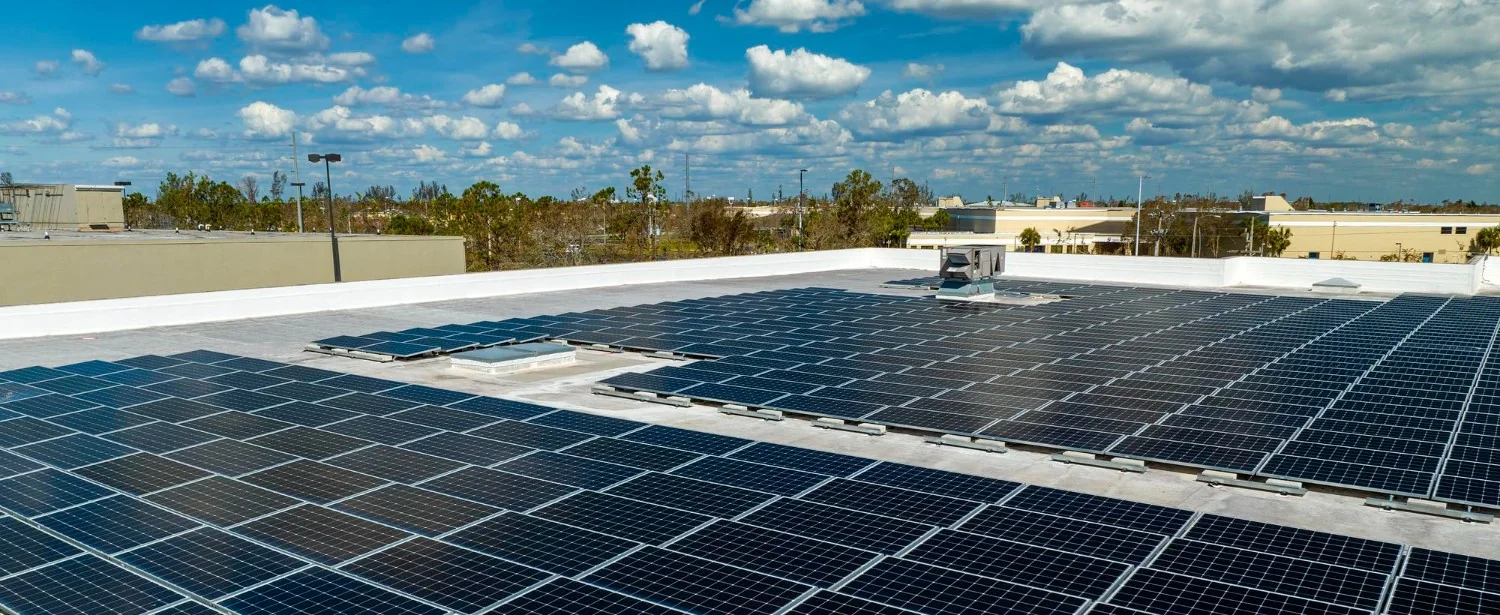
<ul><li><i>India’s rooftop solar capacity reached 30.7 GW in July 2026, increasing the need for better grid management and flexibility.</i></li><li><i>Kerala and Maharashtra are exploring battery ener…

• 𝘛𝘩𝘦 𝘌𝘐𝘉 𝘎𝘳𝘰𝘶𝘱 𝘱𝘭𝘢𝘯𝘴 𝘵𝘰 𝘱𝘳𝘰𝘷𝘪𝘥𝘦 𝘢𝘵 𝘭𝘦𝘢𝘴𝘵 €30 𝘣𝘪𝘭𝘭𝘪𝘰𝘯 𝘧𝘰𝘳 𝘤𝘭𝘪𝘮𝘢𝘵𝘦 𝘢𝘥𝘢𝘱𝘵𝘢𝘵𝘪𝘰𝘯 𝘣𝘦𝘵𝘸𝘦𝘦𝘯 2026 𝘢𝘯𝘥 2030. • 𝘛𝘩𝘦 𝘯𝘦𝘸 𝘵𝘢𝘳𝘨𝘦𝘵 𝘥𝘰𝘶𝘣𝘭𝘦𝘴 𝘢𝘥𝘢𝘱𝘵𝘢𝘵𝘪𝘰𝘯 𝘧𝘪𝘯𝘢𝘯𝘤𝘪𝘯𝘨 𝘤𝘰𝘮𝘱𝘢𝘳𝘦𝘥 𝘸𝘪𝘵𝘩 𝘵𝘩𝘦 𝘱𝘳𝘦𝘷𝘪𝘰𝘶𝘴 𝘧𝘪𝘷𝘦-𝘺𝘦𝘢𝘳 𝘱𝘦𝘳𝘪𝘰𝘥. • 𝘍𝘶𝘯𝘥𝘪𝘯𝘨…