


02 December 2025
India’s electricity generation fell for the second consecutive month in November, as mild weather and slowing industrial activity kept demand muted. Total electricity output dropped about 1% year-on-year to 134.26 billion kilowatt-hours (kWh), following a sharper 6% decline in October, according to daily data from federal grid regulator Grid-India.
Analysts noted that this marked the first November demand decline in at least five years, a period that normally sees rising consumption due to post-monsoon industrial and agricultural activity.
Cooling requirements remained low due to an early onset of winter, while earlier weak summer conditions and an early monsoon had already suppressed electricity consumption. The slowdown in India’s manufacturing sector, affected by factors such as steep U.S. tariffs, further contributed to the subdued demand, highlighting the close link between industrial activity and electricity usage.
Coal-fired power generation, which typically accounts for around 75% of India’s electricity, fell 5.8% from a year earlier, continuing a trend of annual declines in seven out of the past 11 months. In contrast, renewable energy output surged 24% year-on-year to 18.55 billion kWh, reflecting rapid growth in solar and wind power. India added a record 25.4 GW of new renewable capacity in the first seven months of 2025 and plans to expand non-fossil-fuel power capacity to 500 GW by 2030.
Reflecting the overall slowdown, rating agency ICRA sharply revised its full-year power demand growth forecast for India to 1.5%–2%, down from an earlier 4%–4.5%. Analysts emphasized that seasonal weather patterns and industrial performance continue to play a critical role in shaping electricity consumption, which in turn affects generation planning, coal demand, and the pace of transition to cleaner energy sources.
Power-generation declines during mild weather show how renewable-integration challenges surface differently across seasons - and they inform grid-planning decisions for developers, IPPs and utilities in ways that headline capacity numbers can't. Our energy-transition and market-intelligence teams help clients evaluate what these seasonal dynamics mean for pipeline sequencing and Scope 2 disclosure.

• 𝘛𝘩𝘦 𝘜𝘈𝘌 𝘍𝘰𝘰𝘥 𝘉𝘢𝘯𝘬 𝘢𝘯𝘥 𝘋𝘶𝘣𝘢𝘪’𝘴 𝘊𝘰𝘮𝘮𝘶𝘯𝘪𝘵𝘺 𝘋𝘦𝘷𝘦𝘭𝘰𝘱𝘮𝘦𝘯𝘵 𝘈𝘶𝘵𝘩𝘰𝘳𝘪𝘵𝘺 (𝘊𝘋𝘈) 𝘩𝘢𝘷𝘦 𝘴𝘪𝘨𝘯𝘦𝘥 𝘢𝘯 𝘢𝘨𝘳𝘦𝘦𝘮𝘦𝘯𝘵 𝘵𝘰 𝘤𝘰𝘭𝘭𝘦𝘤𝘵 𝘢𝘯𝘥 𝘳𝘦𝘥𝘪𝘴𝘵𝘳𝘪𝘣𝘶𝘵𝘦 𝘴𝘶𝘳𝘱𝘭𝘶𝘴 𝘧𝘰𝘰𝘥 𝘧𝘳𝘰𝘮 𝘸𝘦𝘥𝘥𝘪𝘯𝘨𝘴 𝘢𝘯𝘥 𝘦𝘷𝘦𝘯𝘵𝘴. • 𝘛𝘩𝘦 𝘪𝘯𝘪𝘵𝘪𝘢𝘵𝘪𝘷𝘦 𝘸𝘪𝘭𝘭 𝘧𝘰𝘭𝘭𝘰𝘸 𝘢𝘱𝘱𝘳𝘰𝘷𝘦𝘥…
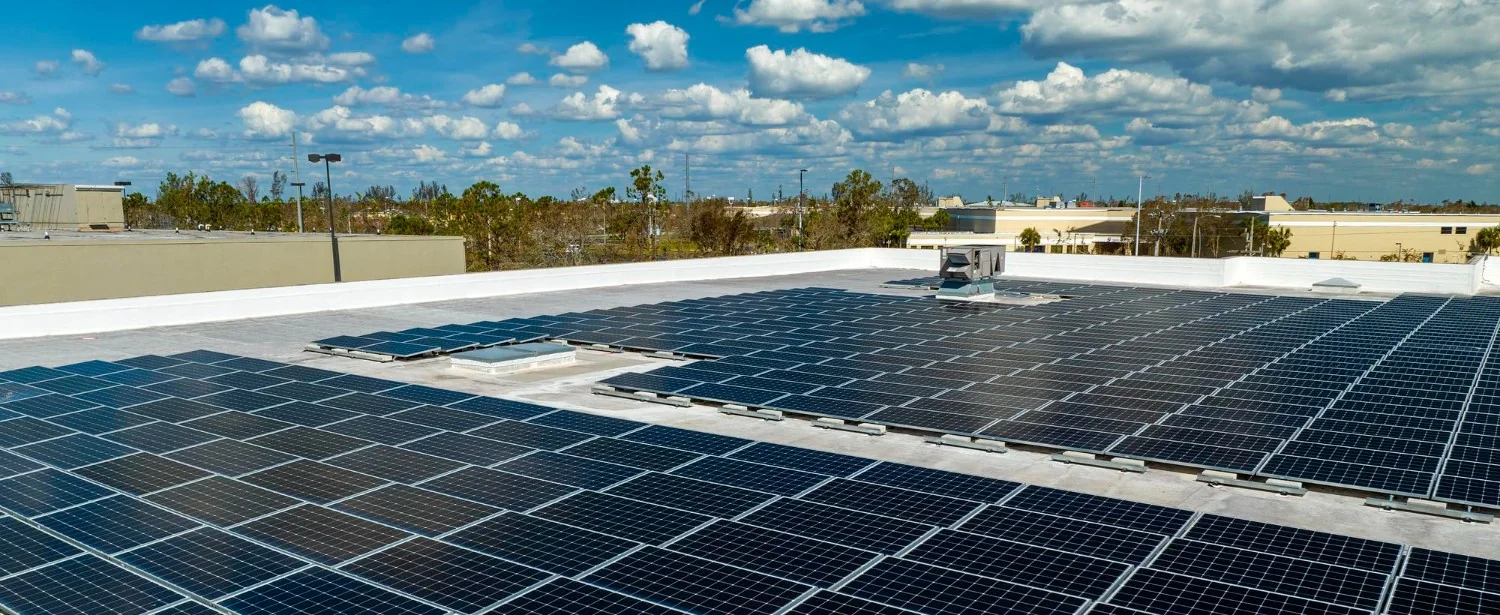
<ul><li><i>India’s rooftop solar capacity reached 30.7 GW in July 2026, increasing the need for better grid management and flexibility.</i></li><li><i>Kerala and Maharashtra are exploring battery ener…

• 𝘛𝘩𝘦 𝘌𝘐𝘉 𝘎𝘳𝘰𝘶𝘱 𝘱𝘭𝘢𝘯𝘴 𝘵𝘰 𝘱𝘳𝘰𝘷𝘪𝘥𝘦 𝘢𝘵 𝘭𝘦𝘢𝘴𝘵 €30 𝘣𝘪𝘭𝘭𝘪𝘰𝘯 𝘧𝘰𝘳 𝘤𝘭𝘪𝘮𝘢𝘵𝘦 𝘢𝘥𝘢𝘱𝘵𝘢𝘵𝘪𝘰𝘯 𝘣𝘦𝘵𝘸𝘦𝘦𝘯 2026 𝘢𝘯𝘥 2030. • 𝘛𝘩𝘦 𝘯𝘦𝘸 𝘵𝘢𝘳𝘨𝘦𝘵 𝘥𝘰𝘶𝘣𝘭𝘦𝘴 𝘢𝘥𝘢𝘱𝘵𝘢𝘵𝘪𝘰𝘯 𝘧𝘪𝘯𝘢𝘯𝘤𝘪𝘯𝘨 𝘤𝘰𝘮𝘱𝘢𝘳𝘦𝘥 𝘸𝘪𝘵𝘩 𝘵𝘩𝘦 𝘱𝘳𝘦𝘷𝘪𝘰𝘶𝘴 𝘧𝘪𝘷𝘦-𝘺𝘦𝘢𝘳 𝘱𝘦𝘳𝘪𝘰𝘥. • 𝘍𝘶𝘯𝘥𝘪𝘯𝘨…