


18 July 2025
India’s green warehousing sector witnessed remarkable momentum, projecting a four-fold increase in certified sustainable warehouse space, expected to reach 270 million sq. ft by 2030. This surge underlined India’s accelerating shift toward eco-friendly infrastructure in response to the rise of e-commerce and modern supply chain demands.
Since 2019, Grade A warehousing stock in key Indian cities grew 2.5 times, jumping from 88 million sq. ft to 238 million sq. ft by 2024. This expansion reflected a transformation in how logistics hubs are built and operated, with greater focus on efficiency, technology, and sustainability standards.
Institutional-grade warehousing also experienced a significant boost, tripling from 28 million sq. ft in 2019 to 90 million sq. ft in 2024. Notably, 72% of this supply-approximately 65 million sq. ft-was either green certified or in the process of certification, indicating the increasing preference among global investors for sustainable, compliant spaces.
With strong backing from institutional players and a growing appetite for climate-conscious infrastructure, India’s warehousing landscape emerged as a key pillar of the country’s green economy ambitions. As the nation looks toward 2030, the trajectory sets a clear example of how sustainability and industrial growth can go hand in hand.
Green-certified warehousing quadrupling to 270 million sq. ft by 2030 (from ~65 million sq. ft in 2024) reflects the demand-driven pattern that increasingly shapes Indian commercial real estate. Global logistics operators, e-commerce platforms and their industrial-property investors bring sustainability-certification requirements that historically applied primarily to office space into warehousing and logistics segments.
The 72 percent green-certified share among institutional-grade warehousing indicates that green certification has moved from differentiator to baseline requirement for the highest-quality assets. Investor and customer preference alignment on sustainability makes non-certified warehousing increasingly difficult to place at premium prices.
For warehousing developers, industrial-property investors, logistics operators and their financial partners, Cognitud's climate action, impact assessment and ESG strategy teams help clients evaluate green-warehousing investment opportunities, structure sustainability-linked commercial arrangements aligned with LEED, IGBC and GRIHA frameworks, and prepare disclosures aligned with CSRD, ISSB and jurisdictional built-environment sustainability frameworks that increasingly determine occupier preference and asset-value performance in Indian industrial real estate.

• 𝘛𝘩𝘦 𝘜𝘈𝘌 𝘍𝘰𝘰𝘥 𝘉𝘢𝘯𝘬 𝘢𝘯𝘥 𝘋𝘶𝘣𝘢𝘪’𝘴 𝘊𝘰𝘮𝘮𝘶𝘯𝘪𝘵𝘺 𝘋𝘦𝘷𝘦𝘭𝘰𝘱𝘮𝘦𝘯𝘵 𝘈𝘶𝘵𝘩𝘰𝘳𝘪𝘵𝘺 (𝘊𝘋𝘈) 𝘩𝘢𝘷𝘦 𝘴𝘪𝘨𝘯𝘦𝘥 𝘢𝘯 𝘢𝘨𝘳𝘦𝘦𝘮𝘦𝘯𝘵 𝘵𝘰 𝘤𝘰𝘭𝘭𝘦𝘤𝘵 𝘢𝘯𝘥 𝘳𝘦𝘥𝘪𝘴𝘵𝘳𝘪𝘣𝘶𝘵𝘦 𝘴𝘶𝘳𝘱𝘭𝘶𝘴 𝘧𝘰𝘰𝘥 𝘧𝘳𝘰𝘮 𝘸𝘦𝘥𝘥𝘪𝘯𝘨𝘴 𝘢𝘯𝘥 𝘦𝘷𝘦𝘯𝘵𝘴. • 𝘛𝘩𝘦 𝘪𝘯𝘪𝘵𝘪𝘢𝘵𝘪𝘷𝘦 𝘸𝘪𝘭𝘭 𝘧𝘰𝘭𝘭𝘰𝘸 𝘢𝘱𝘱𝘳𝘰𝘷𝘦𝘥…
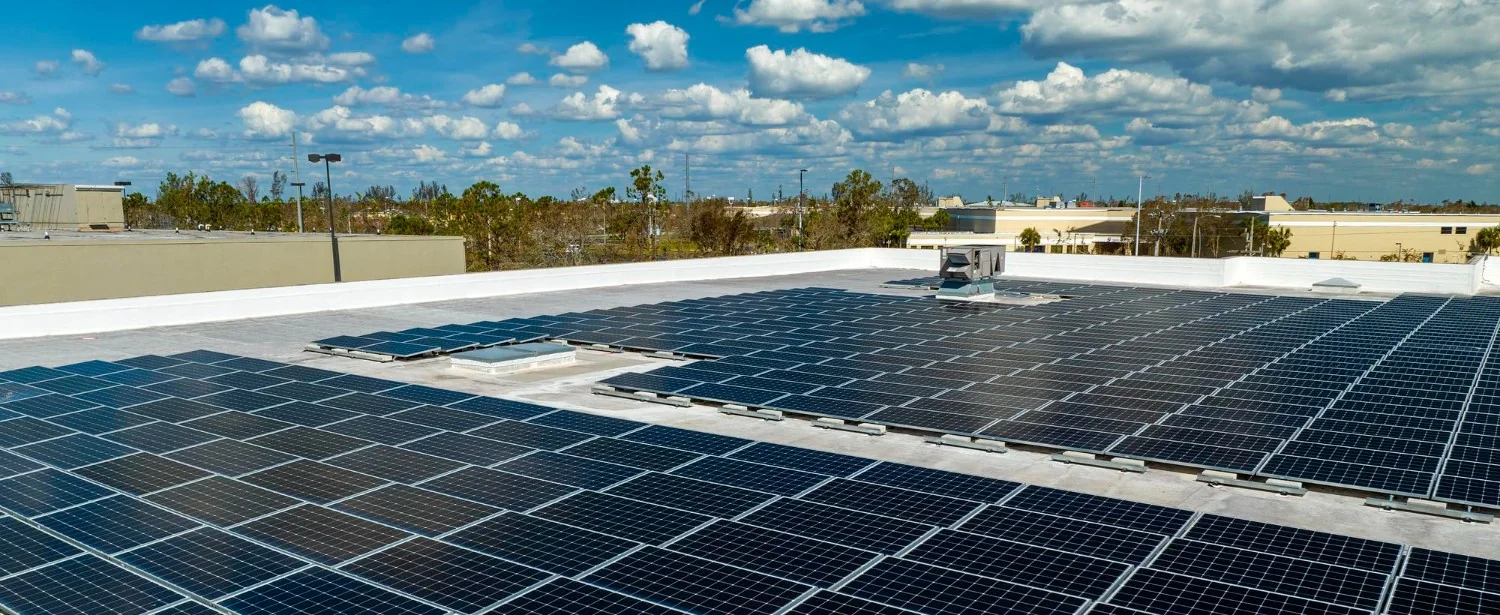
<ul><li><i>India’s rooftop solar capacity reached 30.7 GW in July 2026, increasing the need for better grid management and flexibility.</i></li><li><i>Kerala and Maharashtra are exploring battery ener…

• 𝘛𝘩𝘦 𝘌𝘐𝘉 𝘎𝘳𝘰𝘶𝘱 𝘱𝘭𝘢𝘯𝘴 𝘵𝘰 𝘱𝘳𝘰𝘷𝘪𝘥𝘦 𝘢𝘵 𝘭𝘦𝘢𝘴𝘵 €30 𝘣𝘪𝘭𝘭𝘪𝘰𝘯 𝘧𝘰𝘳 𝘤𝘭𝘪𝘮𝘢𝘵𝘦 𝘢𝘥𝘢𝘱𝘵𝘢𝘵𝘪𝘰𝘯 𝘣𝘦𝘵𝘸𝘦𝘦𝘯 2026 𝘢𝘯𝘥 2030. • 𝘛𝘩𝘦 𝘯𝘦𝘸 𝘵𝘢𝘳𝘨𝘦𝘵 𝘥𝘰𝘶𝘣𝘭𝘦𝘴 𝘢𝘥𝘢𝘱𝘵𝘢𝘵𝘪𝘰𝘯 𝘧𝘪𝘯𝘢𝘯𝘤𝘪𝘯𝘨 𝘤𝘰𝘮𝘱𝘢𝘳𝘦𝘥 𝘸𝘪𝘵𝘩 𝘵𝘩𝘦 𝘱𝘳𝘦𝘷𝘪𝘰𝘶𝘴 𝘧𝘪𝘷𝘦-𝘺𝘦𝘢𝘳 𝘱𝘦𝘳𝘪𝘰𝘥. • 𝘍𝘶𝘯𝘥𝘪𝘯𝘨…