


24 December 2025
India’s coal sector is set for a significant transformation in 2026, with the government introducing ambitious reforms aimed at bolstering national energy security and reducing import dependence. These measures are part of the country’s broader goal of achieving the Viksit Bharat@2047 vision, targeting a self-reliant and resilient energy ecosystem.
Key initiatives include the stock market listings of two subsidiaries of state-owned Coal India Limited - Bharat Coking Coal Ltd (BCCL) and the Central Mine Planning & Design Institute Ltd (CMPDIL). These listings are expected to raise capital and improve transparency, paving the way for enhanced operational efficiency and sector growth.
The government is also boosting funding for coal gasification projects to meet the nation’s growing energy and chemical requirements. By promoting advanced coal utilisation, the initiatives aim to reduce import dependency and support cleaner energy production, complementing India’s green energy ambitions.
On the operational front, mining reforms will target inefficiencies in approval processes, dispatch mechanisms, and safety protocols. Advanced high-tech mining methods are being encouraged to improve coal quality, reduce environmental impact, and enhance the overall efficiency of domestic coal production.
Additionally, India plans to auction more mines to private players, expanding coal output beyond the current 200 million tonnes annually. This strategic push positions the coal sector as a critical pillar in supporting the country’s economic growth while advancing technological and environmental upgrades.
Coal-sector overhauls that focus on emissions performance, monitoring and mine-community transition change stranded-asset calculations for lenders, insurers and offtakers - even when headline output is expanding. Our energy-transition and sustainability-due-diligence teams help clients evaluate what coal-sector reform means for portfolio exposure, disclosure narrative and just-transition planning.

• 𝘛𝘩𝘦 𝘜𝘈𝘌 𝘍𝘰𝘰𝘥 𝘉𝘢𝘯𝘬 𝘢𝘯𝘥 𝘋𝘶𝘣𝘢𝘪’𝘴 𝘊𝘰𝘮𝘮𝘶𝘯𝘪𝘵𝘺 𝘋𝘦𝘷𝘦𝘭𝘰𝘱𝘮𝘦𝘯𝘵 𝘈𝘶𝘵𝘩𝘰𝘳𝘪𝘵𝘺 (𝘊𝘋𝘈) 𝘩𝘢𝘷𝘦 𝘴𝘪𝘨𝘯𝘦𝘥 𝘢𝘯 𝘢𝘨𝘳𝘦𝘦𝘮𝘦𝘯𝘵 𝘵𝘰 𝘤𝘰𝘭𝘭𝘦𝘤𝘵 𝘢𝘯𝘥 𝘳𝘦𝘥𝘪𝘴𝘵𝘳𝘪𝘣𝘶𝘵𝘦 𝘴𝘶𝘳𝘱𝘭𝘶𝘴 𝘧𝘰𝘰𝘥 𝘧𝘳𝘰𝘮 𝘸𝘦𝘥𝘥𝘪𝘯𝘨𝘴 𝘢𝘯𝘥 𝘦𝘷𝘦𝘯𝘵𝘴. • 𝘛𝘩𝘦 𝘪𝘯𝘪𝘵𝘪𝘢𝘵𝘪𝘷𝘦 𝘸𝘪𝘭𝘭 𝘧𝘰𝘭𝘭𝘰𝘸 𝘢𝘱𝘱𝘳𝘰𝘷𝘦𝘥…
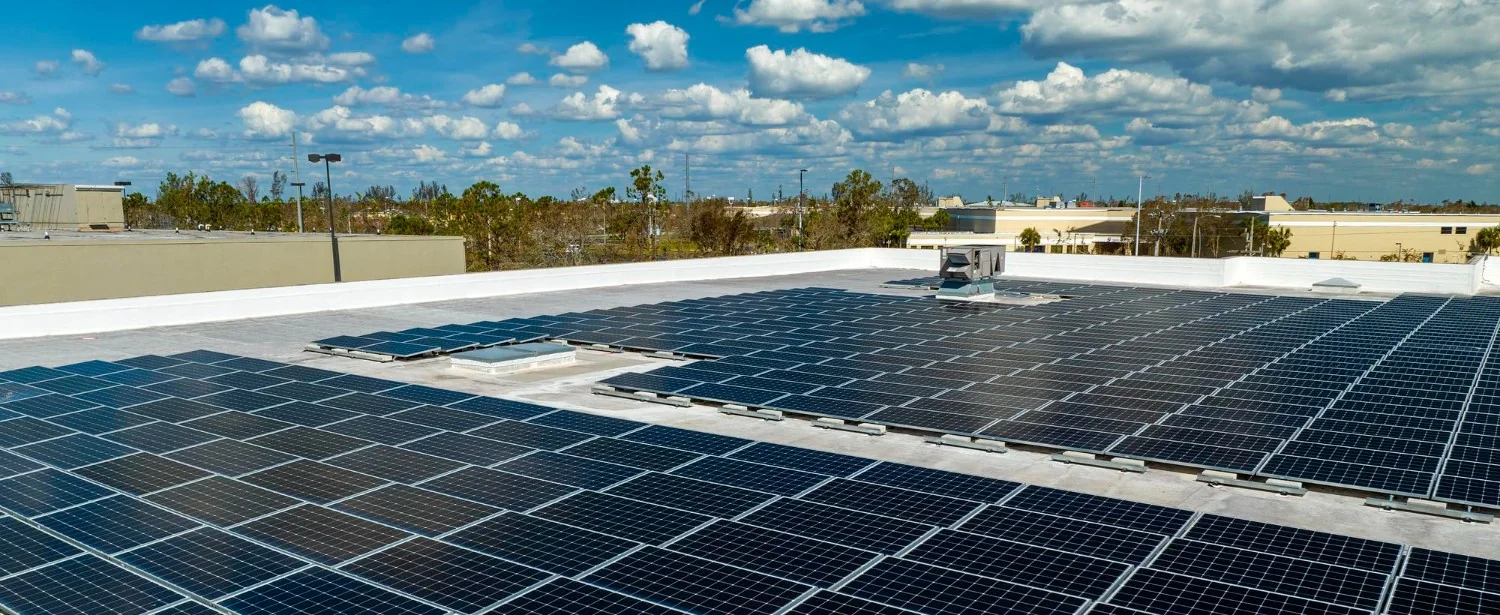
<ul><li><i>India’s rooftop solar capacity reached 30.7 GW in July 2026, increasing the need for better grid management and flexibility.</i></li><li><i>Kerala and Maharashtra are exploring battery ener…

• 𝘛𝘩𝘦 𝘌𝘐𝘉 𝘎𝘳𝘰𝘶𝘱 𝘱𝘭𝘢𝘯𝘴 𝘵𝘰 𝘱𝘳𝘰𝘷𝘪𝘥𝘦 𝘢𝘵 𝘭𝘦𝘢𝘴𝘵 €30 𝘣𝘪𝘭𝘭𝘪𝘰𝘯 𝘧𝘰𝘳 𝘤𝘭𝘪𝘮𝘢𝘵𝘦 𝘢𝘥𝘢𝘱𝘵𝘢𝘵𝘪𝘰𝘯 𝘣𝘦𝘵𝘸𝘦𝘦𝘯 2026 𝘢𝘯𝘥 2030. • 𝘛𝘩𝘦 𝘯𝘦𝘸 𝘵𝘢𝘳𝘨𝘦𝘵 𝘥𝘰𝘶𝘣𝘭𝘦𝘴 𝘢𝘥𝘢𝘱𝘵𝘢𝘵𝘪𝘰𝘯 𝘧𝘪𝘯𝘢𝘯𝘤𝘪𝘯𝘨 𝘤𝘰𝘮𝘱𝘢𝘳𝘦𝘥 𝘸𝘪𝘵𝘩 𝘵𝘩𝘦 𝘱𝘳𝘦𝘷𝘪𝘰𝘶𝘴 𝘧𝘪𝘷𝘦-𝘺𝘦𝘢𝘳 𝘱𝘦𝘳𝘪𝘰𝘥. • 𝘍𝘶𝘯𝘥𝘪𝘯𝘨…