


08 April 2026
India is aggressively advancing its clean energy agenda, aiming to achieve 500 GW of renewable energy capacity by 2030 and ensure that 60% of its total energy mix comes from non-fossil fuels by 2035.
This ambitious transition is crucial for the country’s sustainability and climate goals, as it seeks to reduce carbon emissions while meeting growing energy demands. However, the most pressing challenge is not technological but financial: mobilizing sufficient capital to support this rapid expansion.
According to a study by the Institute for Energy Economics and Financial Analysis (IEEFA), annual investments in renewable generation, energy storage, and transmission infrastructure will need to more than double, reaching around $145 billion by 2035, compared to an estimated $68 billion by 2032.
A central insight from the report is that the success of India’s energy transition depends heavily on debt financing. While government policies and technological advancements are vital, the availability, cost, and structure of debt will largely determine how quickly renewable projects can be implemented.
The power sector requires long-tenor, affordable financing for capital-intensive projects like solar farms and wind energy platforms. Without effective financial planning, even projects with high potential could face delays or underfunding, slowing the nation’s clean energy progress.
The study also notes a growing divide in credit markets between renewable and thermal energy assets. Renewable energy platforms are increasingly attractive to investors due to lower operating costs, stronger profit margins, and easier access to capital.
In contrast, continued investment in traditional thermal power may strain balance sheets and limit funding availability for green projects. This financial trend highlights how market perceptions are influencing the pace of India’s sustainable energy transformation.
In conclusion, India’s clean energy ambitions are not only a technological or policy challenge but a financial one.
Achieving the government’s renewable targets will depend on strategically leveraging debt markets, ensuring affordable financing, and balancing capital allocation between legacy thermal assets and the emerging renewable infrastructure.
The trajectory of the country’s energy transition-and its contribution to global climate goals-will hinge on successfully navigating these complex financial dynamics.
$145 billion of financing opportunity across Indian clean energy reshapes what lenders, investors and developers should plan around, and it forces a rethink of how debt-and-equity get sequenced across the pipeline. Our responsible-investment and energy-transition teams help clients evaluate what these financing envelopes mean for capital allocation and disclosure.

• 𝘛𝘩𝘦 𝘜𝘈𝘌 𝘍𝘰𝘰𝘥 𝘉𝘢𝘯𝘬 𝘢𝘯𝘥 𝘋𝘶𝘣𝘢𝘪’𝘴 𝘊𝘰𝘮𝘮𝘶𝘯𝘪𝘵𝘺 𝘋𝘦𝘷𝘦𝘭𝘰𝘱𝘮𝘦𝘯𝘵 𝘈𝘶𝘵𝘩𝘰𝘳𝘪𝘵𝘺 (𝘊𝘋𝘈) 𝘩𝘢𝘷𝘦 𝘴𝘪𝘨𝘯𝘦𝘥 𝘢𝘯 𝘢𝘨𝘳𝘦𝘦𝘮𝘦𝘯𝘵 𝘵𝘰 𝘤𝘰𝘭𝘭𝘦𝘤𝘵 𝘢𝘯𝘥 𝘳𝘦𝘥𝘪𝘴𝘵𝘳𝘪𝘣𝘶𝘵𝘦 𝘴𝘶𝘳𝘱𝘭𝘶𝘴 𝘧𝘰𝘰𝘥 𝘧𝘳𝘰𝘮 𝘸𝘦𝘥𝘥𝘪𝘯𝘨𝘴 𝘢𝘯𝘥 𝘦𝘷𝘦𝘯𝘵𝘴. • 𝘛𝘩𝘦 𝘪𝘯𝘪𝘵𝘪𝘢𝘵𝘪𝘷𝘦 𝘸𝘪𝘭𝘭 𝘧𝘰𝘭𝘭𝘰𝘸 𝘢𝘱𝘱𝘳𝘰𝘷𝘦𝘥…
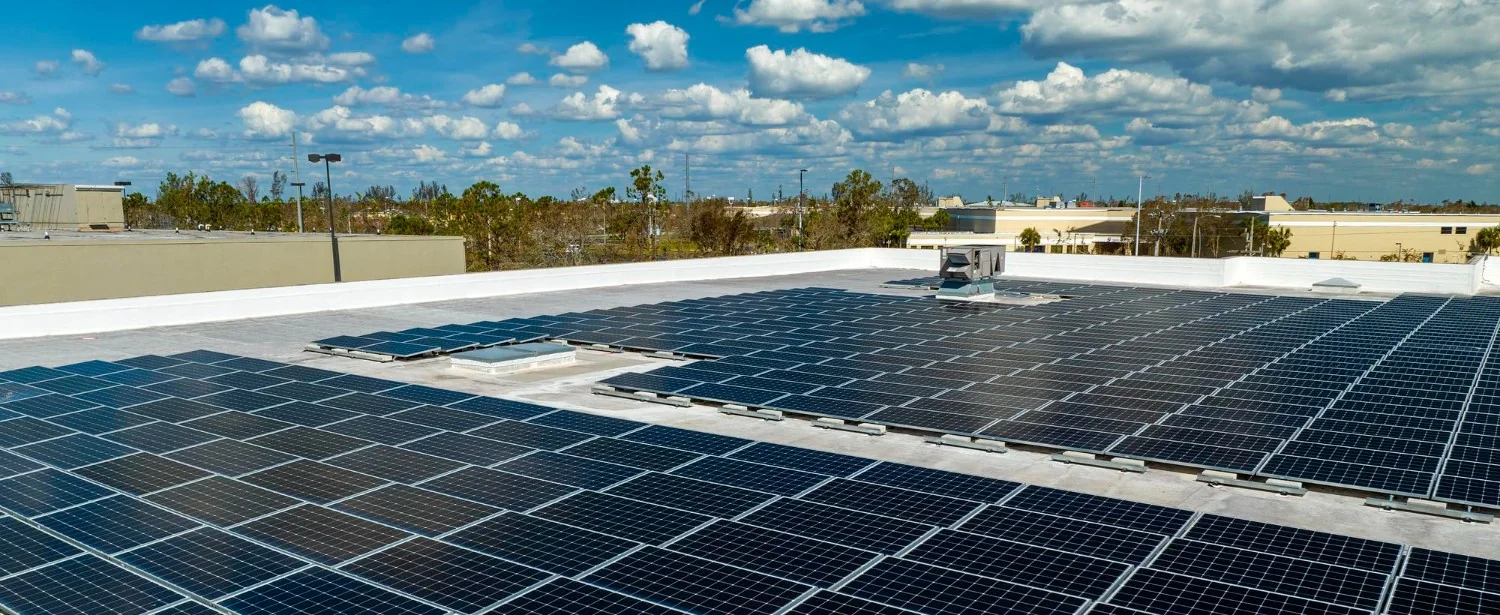
<ul><li><i>India’s rooftop solar capacity reached 30.7 GW in July 2026, increasing the need for better grid management and flexibility.</i></li><li><i>Kerala and Maharashtra are exploring battery ener…

• 𝘛𝘩𝘦 𝘌𝘐𝘉 𝘎𝘳𝘰𝘶𝘱 𝘱𝘭𝘢𝘯𝘴 𝘵𝘰 𝘱𝘳𝘰𝘷𝘪𝘥𝘦 𝘢𝘵 𝘭𝘦𝘢𝘴𝘵 €30 𝘣𝘪𝘭𝘭𝘪𝘰𝘯 𝘧𝘰𝘳 𝘤𝘭𝘪𝘮𝘢𝘵𝘦 𝘢𝘥𝘢𝘱𝘵𝘢𝘵𝘪𝘰𝘯 𝘣𝘦𝘵𝘸𝘦𝘦𝘯 2026 𝘢𝘯𝘥 2030. • 𝘛𝘩𝘦 𝘯𝘦𝘸 𝘵𝘢𝘳𝘨𝘦𝘵 𝘥𝘰𝘶𝘣𝘭𝘦𝘴 𝘢𝘥𝘢𝘱𝘵𝘢𝘵𝘪𝘰𝘯 𝘧𝘪𝘯𝘢𝘯𝘤𝘪𝘯𝘨 𝘤𝘰𝘮𝘱𝘢𝘳𝘦𝘥 𝘸𝘪𝘵𝘩 𝘵𝘩𝘦 𝘱𝘳𝘦𝘷𝘪𝘰𝘶𝘴 𝘧𝘪𝘷𝘦-𝘺𝘦𝘢𝘳 𝘱𝘦𝘳𝘪𝘰𝘥. • 𝘍𝘶𝘯𝘥𝘪𝘯𝘨…