

10 February 2026
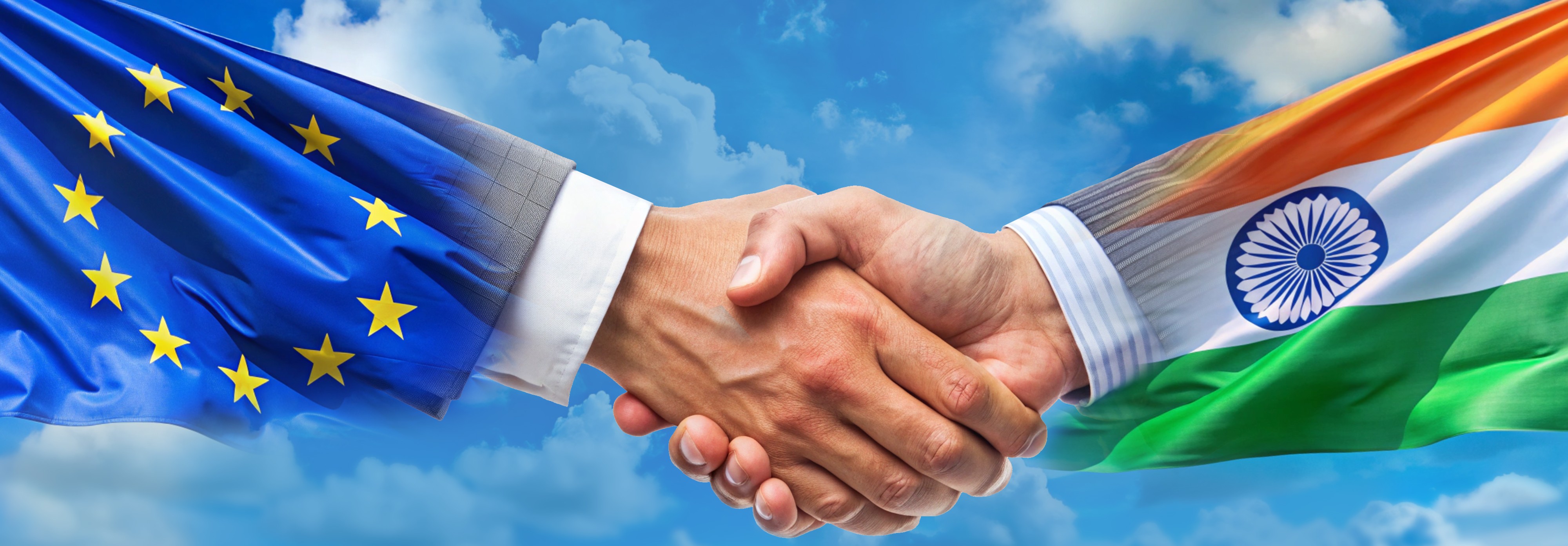
India and the European Union formally concluded the long-pending India–EU Free Trade Agreement (FTA) after nearly two decades of negotiations, a milestone hailed by political leaders for expanding bilateral commerce and employment opportunities. The pact is set to progressively eliminate tariffs on a wide range of goods over the next five to seven years, creating tariff-free access for Indian products across the vast EU market.
However, sustainability experts warn that this economic optimism risks sidelining environmental concerns. Sectors expected to gain the most - including textiles and garments, leather, chemicals, rubber, plastics, base metals, and gems and jewellery - are among India’s most environmentally intensive industries, consuming large volumes of water and generating pollution that local regulatory bodies have struggled to control.
Environmental stress is already evident in cases like the Yamuna River near Delhi, which experiences severe toxic contamination, frothing, and critically low dissolved oxygen levels, especially in winter months.
Monitoring authorities repeatedly cite untreated industrial discharge and sewage as major contributors, underscoring persistent enforcement gaps despite existing laws.
Similar pollution patterns are documented along other major rivers, including sections of the Ganga, Jojari, Noyyal, Palar, and Tapi, particularly near industrial hubs that are poised to grow under the FTA framework.
The deal’s environmental blind spots extend beyond water pollution. While the EU’s Carbon Border Adjustment Mechanism (CBAM) will price carbon emissions for products like steel, aluminum, and cement, many of the fastest-growing export sectors (e.g., textiles and leather) fall outside its scope.
This regulatory gap means that harmful environmental externalities - such as aquatic contamination and toxic waste - remain largely unpriced and unregulated, potentially amplifying environmental degradation unless Indian governance and compliance systems are strengthened in parallel with trade expansion.
Trade-growth-linked environmental risk is exactly what CBAM, EUDR and CSDDD are designed to address, and it changes what Indian exporters need to build to sustain EU market access as those frameworks tighten. Our supply-chain-and-operations and ESG-strategy teams help clients evaluate what these frameworks mean for sourcing, disclosure and market access.

• 𝘛𝘩𝘦 𝘜𝘈𝘌 𝘍𝘰𝘰𝘥 𝘉𝘢𝘯𝘬 𝘢𝘯𝘥 𝘋𝘶𝘣𝘢𝘪’𝘴 𝘊𝘰𝘮𝘮𝘶𝘯𝘪𝘵𝘺 𝘋𝘦𝘷𝘦𝘭𝘰𝘱𝘮𝘦𝘯𝘵 𝘈𝘶𝘵𝘩𝘰𝘳𝘪𝘵𝘺 (𝘊𝘋𝘈) 𝘩𝘢𝘷𝘦 𝘴𝘪𝘨𝘯𝘦𝘥 𝘢𝘯 𝘢𝘨𝘳𝘦𝘦𝘮𝘦𝘯𝘵 𝘵𝘰 𝘤𝘰𝘭𝘭𝘦𝘤𝘵 𝘢𝘯𝘥 𝘳𝘦𝘥𝘪𝘴𝘵𝘳𝘪𝘣𝘶𝘵𝘦 𝘴𝘶𝘳𝘱𝘭𝘶𝘴 𝘧𝘰𝘰𝘥 𝘧𝘳𝘰𝘮 𝘸𝘦𝘥𝘥𝘪𝘯𝘨𝘴 𝘢𝘯𝘥 𝘦𝘷𝘦𝘯𝘵𝘴. • 𝘛𝘩𝘦 𝘪𝘯𝘪𝘵𝘪𝘢𝘵𝘪𝘷𝘦 𝘸𝘪𝘭𝘭 𝘧𝘰𝘭𝘭𝘰𝘸 𝘢𝘱𝘱𝘳𝘰𝘷𝘦𝘥…
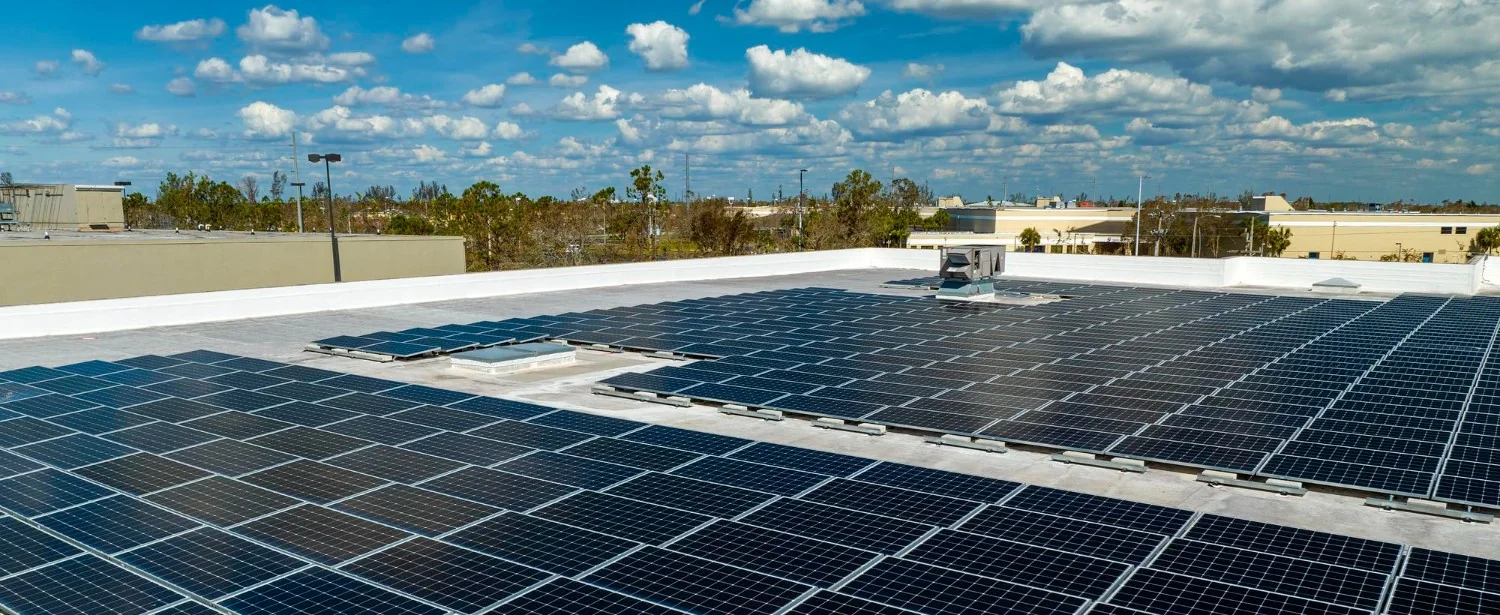
<ul><li><i>India’s rooftop solar capacity reached 30.7 GW in July 2026, increasing the need for better grid management and flexibility.</i></li><li><i>Kerala and Maharashtra are exploring battery ener…
• 𝘛𝘩𝘦 𝘌𝘐𝘉 𝘎𝘳𝘰𝘶𝘱 𝘱𝘭𝘢𝘯𝘴 𝘵𝘰 𝘱𝘳𝘰𝘷𝘪𝘥𝘦 𝘢𝘵 𝘭𝘦𝘢𝘴𝘵 €30 𝘣𝘪𝘭𝘭𝘪𝘰𝘯 𝘧𝘰𝘳 𝘤𝘭𝘪𝘮𝘢𝘵𝘦 𝘢𝘥𝘢𝘱𝘵𝘢𝘵𝘪𝘰𝘯 𝘣𝘦𝘵𝘸𝘦𝘦𝘯 2026 𝘢𝘯𝘥 2030. • 𝘛𝘩𝘦 𝘯𝘦𝘸 𝘵𝘢𝘳𝘨𝘦𝘵 𝘥𝘰𝘶𝘣𝘭𝘦𝘴 𝘢𝘥𝘢𝘱𝘵𝘢𝘵𝘪𝘰𝘯 𝘧𝘪𝘯𝘢𝘯𝘤𝘪𝘯𝘨 𝘤𝘰𝘮𝘱𝘢𝘳𝘦𝘥 𝘸𝘪𝘵𝘩 𝘵𝘩𝘦 𝘱𝘳𝘦𝘷𝘪𝘰𝘶𝘴 𝘧𝘪𝘷𝘦-𝘺𝘦𝘢𝘳 𝘱𝘦𝘳𝘪𝘰𝘥. • 𝘍𝘶𝘯𝘥𝘪𝘯𝘨…