


22 January 2026
India’s government is urging its power utilities to reduce the cost of electricity supply in order to ease financial pressure on consumers and businesses, a senior official in the Ministry of Power said at an industry event in New Delhi. The comments came from Power Secretary Pankaj Agarwal, reflecting a policy push by the government to make power more affordable.
He emphasized that utilities need to secure coal supplies quickly and when prices are low - instead of waiting - and to plan additions to both coal and renewable energy capacity in a timely and more independent manner. Currently, planning for coal capacity expansion is largely driven by the Central Electricity Authority, but he said he wants states to have a greater role in planning decisions.
He pointed out that industrial electricity tariffs in India (about $95 per MWh) are significantly higher than in many other major economies - such as China, Vietnam, Thailand, and the U.S., where industrial tariffs typically range between $60 and $80 per MWh - and stressed that costs must come down.
The official also said that better integration of cheaper renewable energy could help reduce supply costs. However, many state power distribution companies have been hesitant to sign long-term clean energy contracts, preferring to rely on coal power despite its higher cost. As a result, nearly 45 gigawatts of clean energy capacity remains unsold because distribution firms have delayed purchases, expecting prices to fall further.
He raised concerns over the rising costs of inter-state power transmission and mentioned that India might remove waivers on transmission charges that are currently extended through June 2028 for electricity storage projects - a measure that could further influence costs going forward.
Overall, the comments signal a strong government push to lower power costs, encourage renewable energy uptake, and make planning processes more efficient, with the broader aim of reducing electricity tariffs for users across India.
Cost-reduction pressure on utilities directly affects the tariff structure that shapes renewable-plus-storage economics, and it changes what discom demand for clean power actually looks like at the margin. Our energy-transition and market-intelligence teams help clients evaluate what tariff dynamics mean for pipeline sequencing and PPA strategy.

The fifth day of the 31st UN Climate Change Conference (COP31), held on 13 November 2026 in Antalya, Türkiye, marked a shift from high-level political discussions to negotiations on the decisions need…

The World Leaders' Summit at COP31 wrapped up on 12 November 2026 in Antalya, Türkiye, with a strong focus on financing and accelerating reductions in methane and other non-CO₂ greenhouse gases. More…
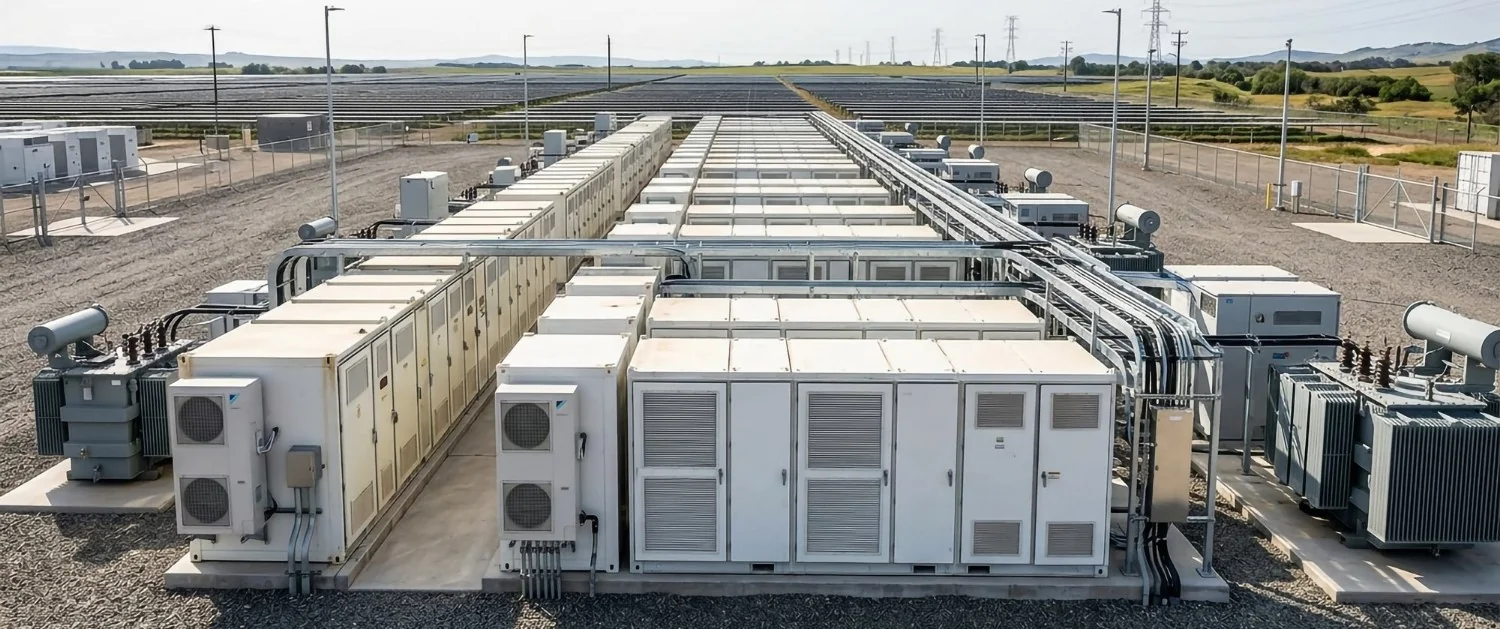
<ul><li><i>The New York State Energy Research and Development Authority (NYSERDA) launched its second competitive bulk energy storage solicitation on November 12, 2026.</i></li><li><i>The procurement…