


19 November 2025
India has called on developed nations to show stronger climate ambition and honour long-standing promises on climate finance.
Speaking at COP30, Environment Minister Bhupender Yadav highlighted that developing countries cannot be expected to deliver enhanced climate outcomes unless wealthier nations fulfil their commitments under the UNFCCC framework.
He emphasised that developing economies are disproportionately affected by climate change despite contributing far less to historical emissions, making financial support essential for sustainable growth paths.
The minister reaffirmed that India is committed to its own transition, as reflected in the updated Nationally Determined Contributions (NDCs). India is already expanding clean energy, investing in climate-resilient infrastructure, and improving carbon intensity. However, he noted that progress requires predictable and adequate climate finance, technology transfer, and support mechanisms that align with the principle of equity and common but differentiated responsibilities.
Yadav stressed that developed nations must move beyond pledges and demonstrate real action, both through increased ambition and timely financial delivery. The $100 billion annual climate finance pledge, repeatedly missed, remains a significant point of contention. Without such support, many developing countries could face constraints in reaching their climate targets despite their willingness and growing efforts.
India also underlined the need for transparency, fairness, and measurable progress in climate finance reporting. The minister noted that accountability in delivery will help rebuild trust among nations and ensure that collective progress under the Paris Agreement remains on track.
India's climate-finance advocacy at multilateral level shapes how MDBs, sovereigns and private investors approach emerging-market climate exposure, and it affects the availability of concessional and blended finance. Our responsible-investment and climate-action teams help clients evaluate climate-finance opportunities and structure participation credibly.

• 𝘛𝘩𝘦 𝘜𝘈𝘌 𝘍𝘰𝘰𝘥 𝘉𝘢𝘯𝘬 𝘢𝘯𝘥 𝘋𝘶𝘣𝘢𝘪’𝘴 𝘊𝘰𝘮𝘮𝘶𝘯𝘪𝘵𝘺 𝘋𝘦𝘷𝘦𝘭𝘰𝘱𝘮𝘦𝘯𝘵 𝘈𝘶𝘵𝘩𝘰𝘳𝘪𝘵𝘺 (𝘊𝘋𝘈) 𝘩𝘢𝘷𝘦 𝘴𝘪𝘨𝘯𝘦𝘥 𝘢𝘯 𝘢𝘨𝘳𝘦𝘦𝘮𝘦𝘯𝘵 𝘵𝘰 𝘤𝘰𝘭𝘭𝘦𝘤𝘵 𝘢𝘯𝘥 𝘳𝘦𝘥𝘪𝘴𝘵𝘳𝘪𝘣𝘶𝘵𝘦 𝘴𝘶𝘳𝘱𝘭𝘶𝘴 𝘧𝘰𝘰𝘥 𝘧𝘳𝘰𝘮 𝘸𝘦𝘥𝘥𝘪𝘯𝘨𝘴 𝘢𝘯𝘥 𝘦𝘷𝘦𝘯𝘵𝘴. • 𝘛𝘩𝘦 𝘪𝘯𝘪𝘵𝘪𝘢𝘵𝘪𝘷𝘦 𝘸𝘪𝘭𝘭 𝘧𝘰𝘭𝘭𝘰𝘸 𝘢𝘱𝘱𝘳𝘰𝘷𝘦𝘥…
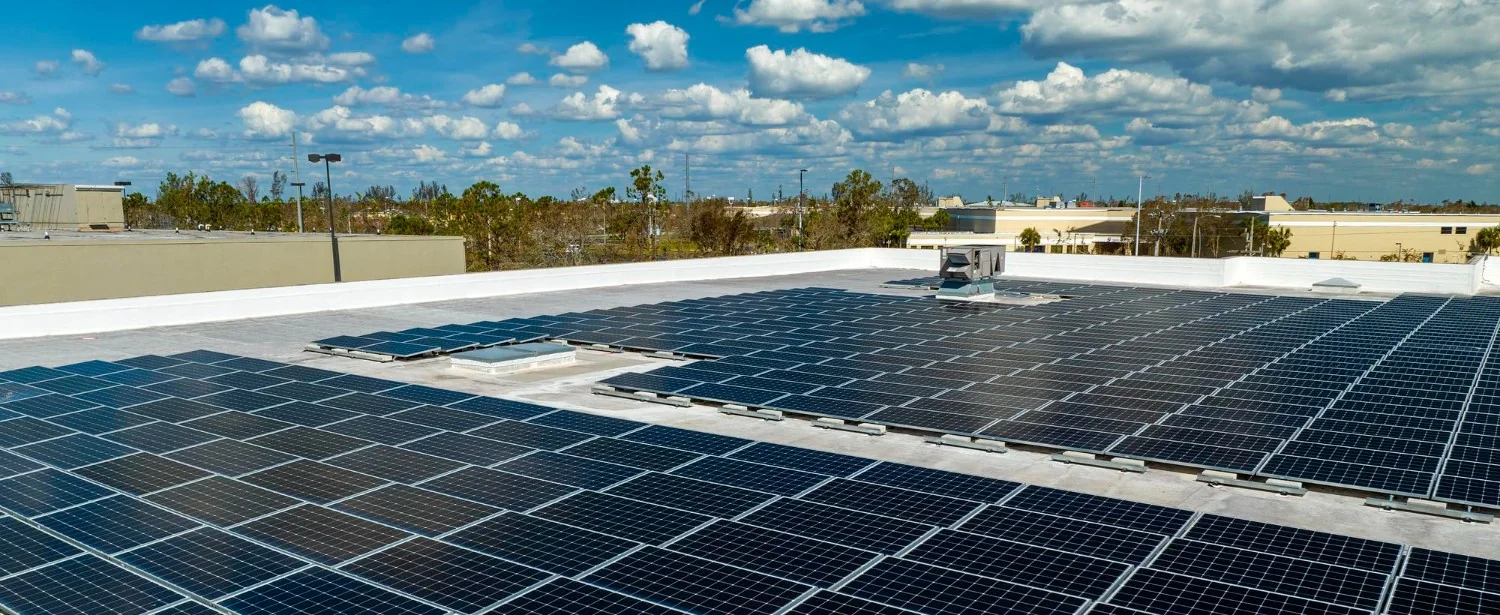
<ul><li><i>India’s rooftop solar capacity reached 30.7 GW in July 2026, increasing the need for better grid management and flexibility.</i></li><li><i>Kerala and Maharashtra are exploring battery ener…

• 𝘛𝘩𝘦 𝘌𝘐𝘉 𝘎𝘳𝘰𝘶𝘱 𝘱𝘭𝘢𝘯𝘴 𝘵𝘰 𝘱𝘳𝘰𝘷𝘪𝘥𝘦 𝘢𝘵 𝘭𝘦𝘢𝘴𝘵 €30 𝘣𝘪𝘭𝘭𝘪𝘰𝘯 𝘧𝘰𝘳 𝘤𝘭𝘪𝘮𝘢𝘵𝘦 𝘢𝘥𝘢𝘱𝘵𝘢𝘵𝘪𝘰𝘯 𝘣𝘦𝘵𝘸𝘦𝘦𝘯 2026 𝘢𝘯𝘥 2030. • 𝘛𝘩𝘦 𝘯𝘦𝘸 𝘵𝘢𝘳𝘨𝘦𝘵 𝘥𝘰𝘶𝘣𝘭𝘦𝘴 𝘢𝘥𝘢𝘱𝘵𝘢𝘵𝘪𝘰𝘯 𝘧𝘪𝘯𝘢𝘯𝘤𝘪𝘯𝘨 𝘤𝘰𝘮𝘱𝘢𝘳𝘦𝘥 𝘸𝘪𝘵𝘩 𝘵𝘩𝘦 𝘱𝘳𝘦𝘷𝘪𝘰𝘶𝘴 𝘧𝘪𝘷𝘦-𝘺𝘦𝘢𝘳 𝘱𝘦𝘳𝘪𝘰𝘥. • 𝘍𝘶𝘯𝘥𝘪𝘯𝘨…