


13 October 2025
India has introduced its National Red List Roadmap at the IUCN World Conservation Congress in Abu Dhabi to assess and monitor the conservation status of native flora and fauna. Union Minister Kirti Vardhan Singh said the initiative reflects India's commitment to biodiversity documentation, threat assessment, and conservation, aligned with global sustainability goals.
The Vision 2025–2030 for the National Red List Assessment (NRLA) has been prepared by the Zoological Survey of India and Botanical Survey of India along with IUCN-India and the Centre for Species Survival. The roadmap aims to build a nationally coordinated, inclusive, and science-based system for evaluating species conservation status.
India, home to four global biodiversity hotspots, has nearly 8% of the world’s flora and 7.5% of fauna, with a significant number of endemic species. The initiative aligns with global biodiversity commitments under the Convention on Biological Diversity and the Kunming–Montreal Global Biodiversity Framework, supported by strong national laws like the Wildlife (Protection) Act.
The goal is to publish National Red Data Books for both flora and fauna by 2030. The effort will bring together taxonomists, conservationists, and policymakers to ensure evidence-based planning and threat mitigation, making it one of the most comprehensive national conservation assessments globally.
The National Red List Roadmap combining Zoological and Botanical Survey of India, IUCN-India and Centre for Species Survival provides the institutional coordination that comprehensive species assessment at national scale requires. India hosting nearly 8 percent of global flora and 7.5 percent of fauna makes the initiative globally significant, not just domestically important.
The 2030 Red Data Book publication target for both flora and fauna represents substantial technical undertaking. Well-designed Red List processes require thousands of species assessments combining ecological data, threat analysis and expert judgment - the institutional capacity build supporting this delivery has value beyond the specific publication outcomes.
For agricultural, forestry, mining, infrastructure operators with biodiversity exposure in India, financial institutions supporting nature-linked investment and their conservation-partnership stakeholders, Cognitud's nature-based solutions, impact assessment and sustainability due diligence teams help clients evaluate biodiversity-related risk and opportunity across Indian ecosystems, structure conservation and restoration programmes aligned with Red List priorities, and prepare disclosures aligned with TNFD, SBTN and jurisdictional biodiversity frameworks.

• 𝘛𝘩𝘦 𝘜𝘈𝘌 𝘍𝘰𝘰𝘥 𝘉𝘢𝘯𝘬 𝘢𝘯𝘥 𝘋𝘶𝘣𝘢𝘪’𝘴 𝘊𝘰𝘮𝘮𝘶𝘯𝘪𝘵𝘺 𝘋𝘦𝘷𝘦𝘭𝘰𝘱𝘮𝘦𝘯𝘵 𝘈𝘶𝘵𝘩𝘰𝘳𝘪𝘵𝘺 (𝘊𝘋𝘈) 𝘩𝘢𝘷𝘦 𝘴𝘪𝘨𝘯𝘦𝘥 𝘢𝘯 𝘢𝘨𝘳𝘦𝘦𝘮𝘦𝘯𝘵 𝘵𝘰 𝘤𝘰𝘭𝘭𝘦𝘤𝘵 𝘢𝘯𝘥 𝘳𝘦𝘥𝘪𝘴𝘵𝘳𝘪𝘣𝘶𝘵𝘦 𝘴𝘶𝘳𝘱𝘭𝘶𝘴 𝘧𝘰𝘰𝘥 𝘧𝘳𝘰𝘮 𝘸𝘦𝘥𝘥𝘪𝘯𝘨𝘴 𝘢𝘯𝘥 𝘦𝘷𝘦𝘯𝘵𝘴. • 𝘛𝘩𝘦 𝘪𝘯𝘪𝘵𝘪𝘢𝘵𝘪𝘷𝘦 𝘸𝘪𝘭𝘭 𝘧𝘰𝘭𝘭𝘰𝘸 𝘢𝘱𝘱𝘳𝘰𝘷𝘦𝘥…
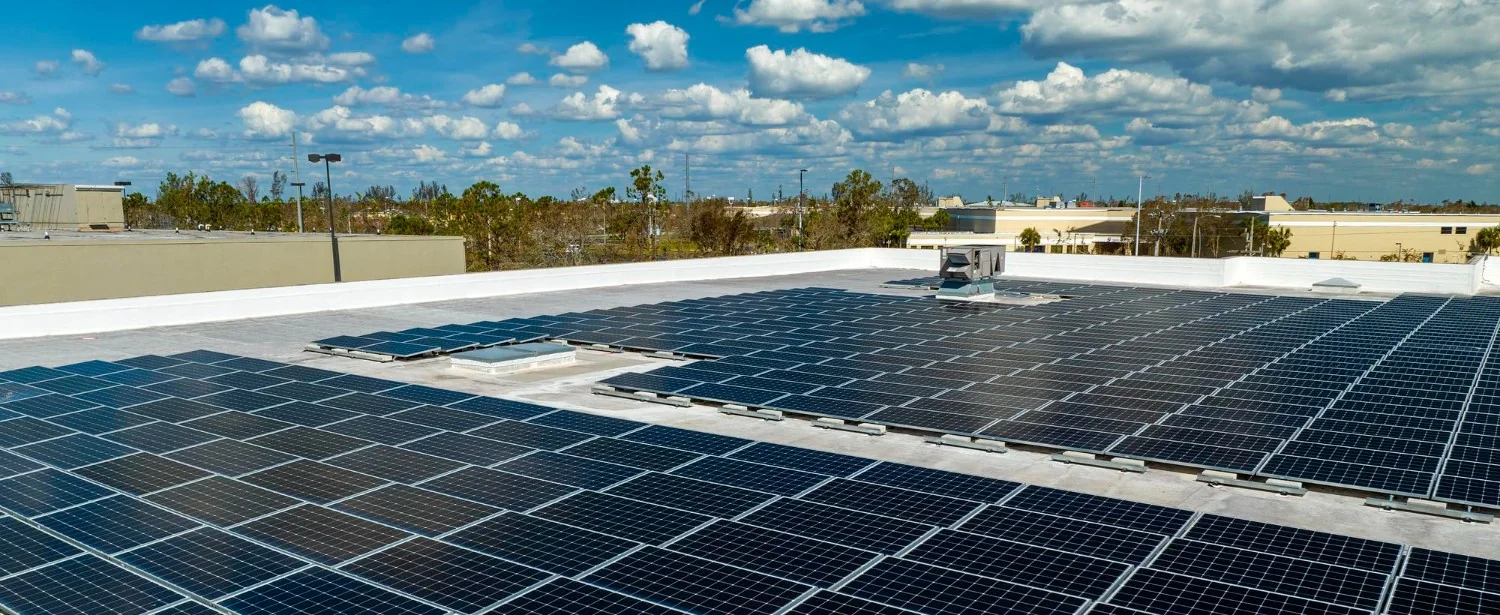
<ul><li><i>India’s rooftop solar capacity reached 30.7 GW in July 2026, increasing the need for better grid management and flexibility.</i></li><li><i>Kerala and Maharashtra are exploring battery ener…

• 𝘛𝘩𝘦 𝘌𝘐𝘉 𝘎𝘳𝘰𝘶𝘱 𝘱𝘭𝘢𝘯𝘴 𝘵𝘰 𝘱𝘳𝘰𝘷𝘪𝘥𝘦 𝘢𝘵 𝘭𝘦𝘢𝘴𝘵 €30 𝘣𝘪𝘭𝘭𝘪𝘰𝘯 𝘧𝘰𝘳 𝘤𝘭𝘪𝘮𝘢𝘵𝘦 𝘢𝘥𝘢𝘱𝘵𝘢𝘵𝘪𝘰𝘯 𝘣𝘦𝘵𝘸𝘦𝘦𝘯 2026 𝘢𝘯𝘥 2030. • 𝘛𝘩𝘦 𝘯𝘦𝘸 𝘵𝘢𝘳𝘨𝘦𝘵 𝘥𝘰𝘶𝘣𝘭𝘦𝘴 𝘢𝘥𝘢𝘱𝘵𝘢𝘵𝘪𝘰𝘯 𝘧𝘪𝘯𝘢𝘯𝘤𝘪𝘯𝘨 𝘤𝘰𝘮𝘱𝘢𝘳𝘦𝘥 𝘸𝘪𝘵𝘩 𝘵𝘩𝘦 𝘱𝘳𝘦𝘷𝘪𝘰𝘶𝘴 𝘧𝘪𝘷𝘦-𝘺𝘦𝘢𝘳 𝘱𝘦𝘳𝘪𝘰𝘥. • 𝘍𝘶𝘯𝘥𝘪𝘯𝘨…