

12 August 2025
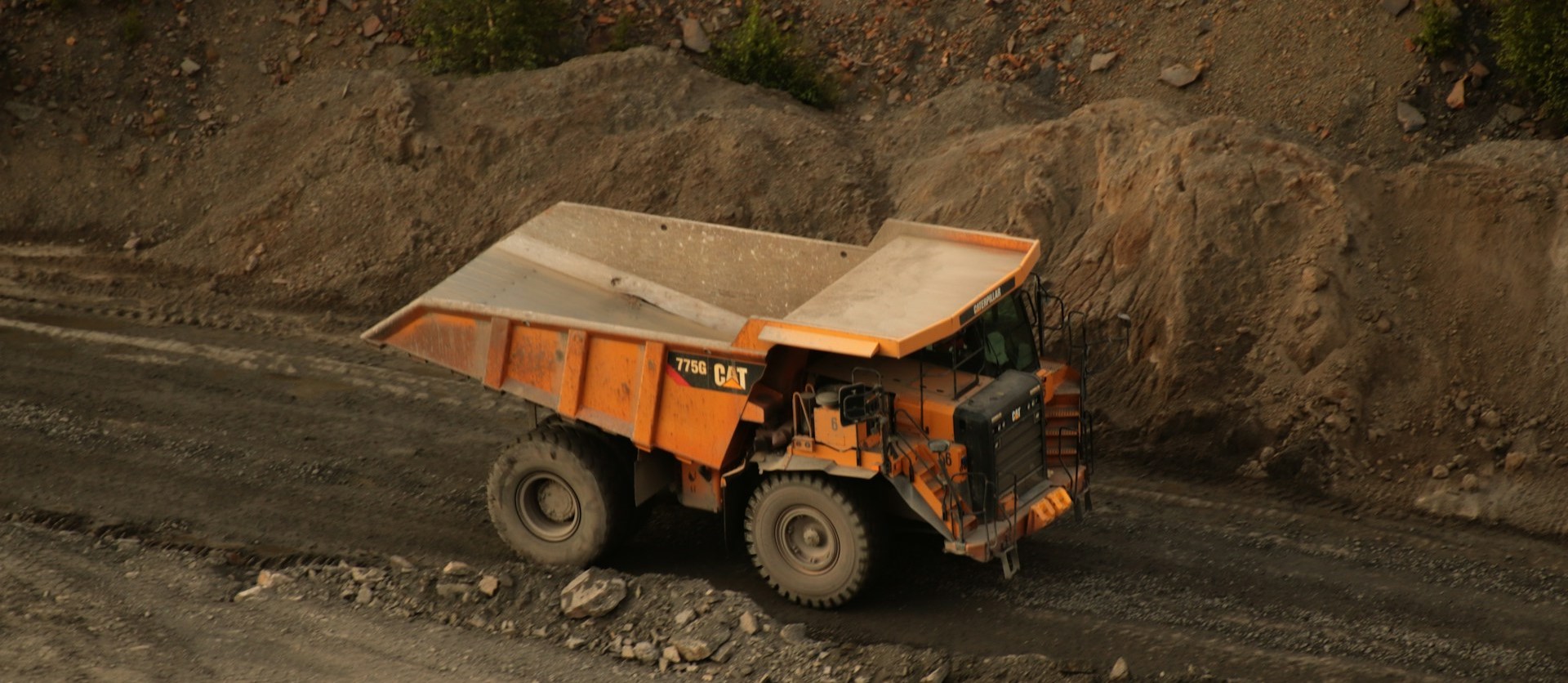
India plans to amend the Mines and Minerals (Development and Regulation) Act to secure overseas critical mineral assets-such as lithium, copper, cobalt, and rare earths-vital for renewable energy, defence, electronics, and other strategic sectors. The changes will allow state funding from the ₹6,000+ crore National Mineral Exploration Trust (NMET) for both domestic exploration and international acquisitions, with the NMET’s mandate expanded to include “development” of critical minerals.
Key provisions include:
Permitting states to sell low-grade or surplus mineral stockpiles from captive mines for a one-time fee. Streamlining approvals to add newly identified minerals or adjacent areas to existing leases, with additional charges. Applying higher royalties or surcharges for minerals extracted from expanded lease areas.
The amendments aim to reduce dependence on China-dominated supply chains, accelerate domestic mineral exploration, and strategically acquire overseas assets to ensure a stable and diverse supply of critical raw materials for India’s future industries.
The MMDR amendments respond to a strategic reality that has become inescapable: the energy transition is minerals-intensive, and current global supply chains for lithium, cobalt, copper, nickel and rare earths are heavily concentrated in a small number of processing jurisdictions. State-backed financing for overseas asset acquisition, combined with domestic exploration acceleration, gives India optionality across both channels.
The provisions on low-grade stockpile monetisation and expanded lease scope address well-documented friction in the current mining regulatory framework. Faster approvals for adjacent lease areas and clearer commercial terms for surplus material improve project economics, which in turn strengthens the domestic industry's capacity to invest in exploration and processing capability.
For mining companies, industrial buyers of critical minerals and their financiers, Cognitud's supply chain and operations, sustainability due diligence and market intelligence teams help clients evaluate cross-border mining investment opportunities, structure ESG frameworks aligned with IRMA, TSM and OECD due-diligence guidance, and prepare disclosures that support access to international capital markets increasingly focused on the responsible-sourcing credentials of critical-mineral supply chains.

• 𝘛𝘩𝘦 𝘜𝘈𝘌 𝘍𝘰𝘰𝘥 𝘉𝘢𝘯𝘬 𝘢𝘯𝘥 𝘋𝘶𝘣𝘢𝘪’𝘴 𝘊𝘰𝘮𝘮𝘶𝘯𝘪𝘵𝘺 𝘋𝘦𝘷𝘦𝘭𝘰𝘱𝘮𝘦𝘯𝘵 𝘈𝘶𝘵𝘩𝘰𝘳𝘪𝘵𝘺 (𝘊𝘋𝘈) 𝘩𝘢𝘷𝘦 𝘴𝘪𝘨𝘯𝘦𝘥 𝘢𝘯 𝘢𝘨𝘳𝘦𝘦𝘮𝘦𝘯𝘵 𝘵𝘰 𝘤𝘰𝘭𝘭𝘦𝘤𝘵 𝘢𝘯𝘥 𝘳𝘦𝘥𝘪𝘴𝘵𝘳𝘪𝘣𝘶𝘵𝘦 𝘴𝘶𝘳𝘱𝘭𝘶𝘴 𝘧𝘰𝘰𝘥 𝘧𝘳𝘰𝘮 𝘸𝘦𝘥𝘥𝘪𝘯𝘨𝘴 𝘢𝘯𝘥 𝘦𝘷𝘦𝘯𝘵𝘴. • 𝘛𝘩𝘦 𝘪𝘯𝘪𝘵𝘪𝘢𝘵𝘪𝘷𝘦 𝘸𝘪𝘭𝘭 𝘧𝘰𝘭𝘭𝘰𝘸 𝘢𝘱𝘱𝘳𝘰𝘷𝘦𝘥…
<ul><li><i>India’s rooftop solar capacity reached 30.7 GW in July 2026, increasing the need for better grid management and flexibility.</i></li><li><i>Kerala and Maharashtra are exploring battery ener…

• 𝘛𝘩𝘦 𝘌𝘐𝘉 𝘎𝘳𝘰𝘶𝘱 𝘱𝘭𝘢𝘯𝘴 𝘵𝘰 𝘱𝘳𝘰𝘷𝘪𝘥𝘦 𝘢𝘵 𝘭𝘦𝘢𝘴𝘵 €30 𝘣𝘪𝘭𝘭𝘪𝘰𝘯 𝘧𝘰𝘳 𝘤𝘭𝘪𝘮𝘢𝘵𝘦 𝘢𝘥𝘢𝘱𝘵𝘢𝘵𝘪𝘰𝘯 𝘣𝘦𝘵𝘸𝘦𝘦𝘯 2026 𝘢𝘯𝘥 2030. • 𝘛𝘩𝘦 𝘯𝘦𝘸 𝘵𝘢𝘳𝘨𝘦𝘵 𝘥𝘰𝘶𝘣𝘭𝘦𝘴 𝘢𝘥𝘢𝘱𝘵𝘢𝘵𝘪𝘰𝘯 𝘧𝘪𝘯𝘢𝘯𝘤𝘪𝘯𝘨 𝘤𝘰𝘮𝘱𝘢𝘳𝘦𝘥 𝘸𝘪𝘵𝘩 𝘵𝘩𝘦 𝘱𝘳𝘦𝘷𝘪𝘰𝘶𝘴 𝘧𝘪𝘷𝘦-𝘺𝘦𝘢𝘳 𝘱𝘦𝘳𝘪𝘰𝘥. • 𝘍𝘶𝘯𝘥𝘪𝘯𝘨…