


20 February 2026
The state government used the platform of Mumbai Climate Week to announce a significant push toward climate-resilient urban development by signing 23 Memorandums of Understanding (MoUs) with a range of national and international organisations. These agreements are aimed at strengthening climate action across cities through structured collaboration, technical support, and long-term planning focused on sustainability and resilience.
The MoUs cover a wide spectrum of urban climate priorities, including low-carbon development, climate-resilient infrastructure, nature-based solutions, waste management, air quality improvement, and climate-aligned urban planning. Government officials highlighted that these partnerships will help cities access global expertise, climate finance frameworks, and implementation support to translate climate commitments into on-ground action.
As part of this initiative, the government also outlined plans for over 1,000 urban climate-focused projects to be taken up across different cities. These projects are expected to address challenges such as heat stress, flooding, energy efficiency, sustainable mobility, and resource management. The emphasis is on integrating climate considerations into everyday urban governance rather than treating climate action as a standalone policy area.
Senior officials from the Government of Maharashtra stated that the MoUs signal a shift from intent to execution, with cities becoming central to the state’s climate strategy. By working with global climate institutions and development partners, the government aims to improve institutional capacity, ensure data-driven decision-making, and align urban growth with long-term environmental goals.
Overall, the announcements made during the climate week underline the government’s intent to position cities as key drivers of climate action, while leveraging partnerships to speed up implementation, improve coordination, and enhance the resilience of urban systems against climate risks.
23 city-level climate partnerships create the delivery infrastructure that urban-sustainability commitments actually require, and they directly shape what corporates operating locally need to build into their disclosure. Our impact-assessment and climate-action teams help clients evaluate what city-linked partnerships mean for real-estate, mobility and Scope 3 positioning.

• 𝘛𝘩𝘦 𝘜𝘈𝘌 𝘍𝘰𝘰𝘥 𝘉𝘢𝘯𝘬 𝘢𝘯𝘥 𝘋𝘶𝘣𝘢𝘪’𝘴 𝘊𝘰𝘮𝘮𝘶𝘯𝘪𝘵𝘺 𝘋𝘦𝘷𝘦𝘭𝘰𝘱𝘮𝘦𝘯𝘵 𝘈𝘶𝘵𝘩𝘰𝘳𝘪𝘵𝘺 (𝘊𝘋𝘈) 𝘩𝘢𝘷𝘦 𝘴𝘪𝘨𝘯𝘦𝘥 𝘢𝘯 𝘢𝘨𝘳𝘦𝘦𝘮𝘦𝘯𝘵 𝘵𝘰 𝘤𝘰𝘭𝘭𝘦𝘤𝘵 𝘢𝘯𝘥 𝘳𝘦𝘥𝘪𝘴𝘵𝘳𝘪𝘣𝘶𝘵𝘦 𝘴𝘶𝘳𝘱𝘭𝘶𝘴 𝘧𝘰𝘰𝘥 𝘧𝘳𝘰𝘮 𝘸𝘦𝘥𝘥𝘪𝘯𝘨𝘴 𝘢𝘯𝘥 𝘦𝘷𝘦𝘯𝘵𝘴. • 𝘛𝘩𝘦 𝘪𝘯𝘪𝘵𝘪𝘢𝘵𝘪𝘷𝘦 𝘸𝘪𝘭𝘭 𝘧𝘰𝘭𝘭𝘰𝘸 𝘢𝘱𝘱𝘳𝘰𝘷𝘦𝘥…
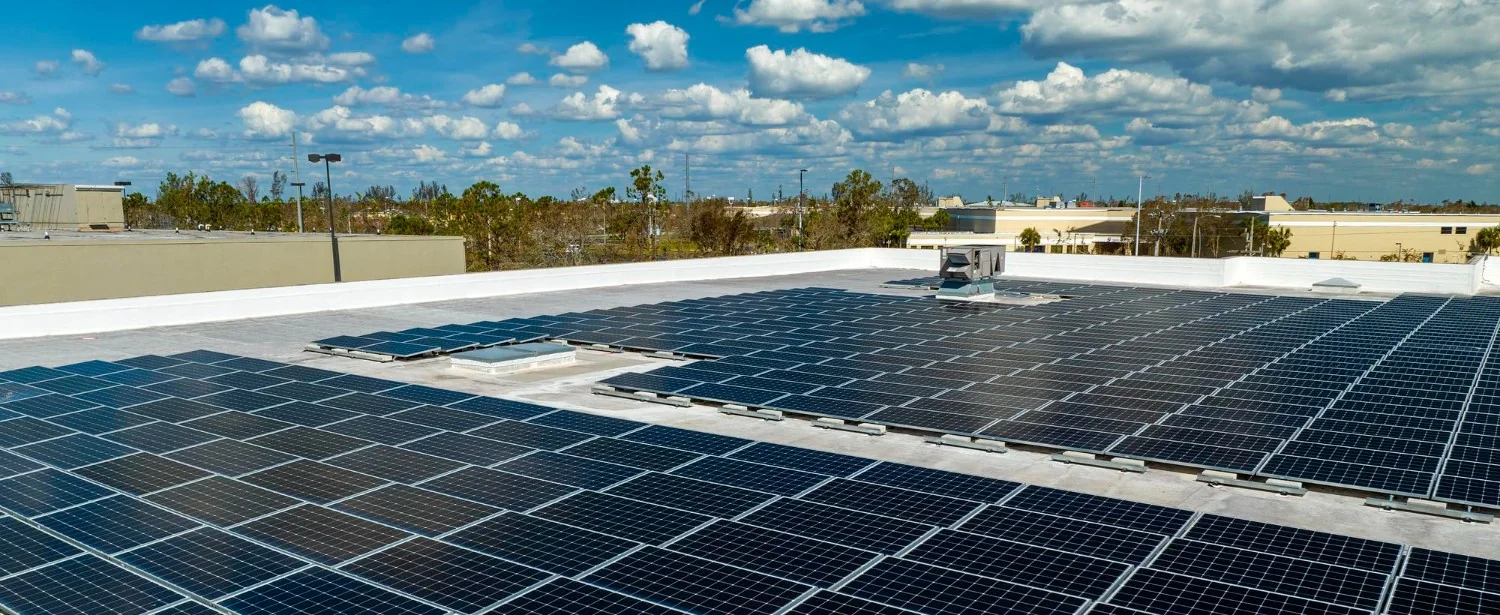
<ul><li><i>India’s rooftop solar capacity reached 30.7 GW in July 2026, increasing the need for better grid management and flexibility.</i></li><li><i>Kerala and Maharashtra are exploring battery ener…

• 𝘛𝘩𝘦 𝘌𝘐𝘉 𝘎𝘳𝘰𝘶𝘱 𝘱𝘭𝘢𝘯𝘴 𝘵𝘰 𝘱𝘳𝘰𝘷𝘪𝘥𝘦 𝘢𝘵 𝘭𝘦𝘢𝘴𝘵 €30 𝘣𝘪𝘭𝘭𝘪𝘰𝘯 𝘧𝘰𝘳 𝘤𝘭𝘪𝘮𝘢𝘵𝘦 𝘢𝘥𝘢𝘱𝘵𝘢𝘵𝘪𝘰𝘯 𝘣𝘦𝘵𝘸𝘦𝘦𝘯 2026 𝘢𝘯𝘥 2030. • 𝘛𝘩𝘦 𝘯𝘦𝘸 𝘵𝘢𝘳𝘨𝘦𝘵 𝘥𝘰𝘶𝘣𝘭𝘦𝘴 𝘢𝘥𝘢𝘱𝘵𝘢𝘵𝘪𝘰𝘯 𝘧𝘪𝘯𝘢𝘯𝘤𝘪𝘯𝘨 𝘤𝘰𝘮𝘱𝘢𝘳𝘦𝘥 𝘸𝘪𝘵𝘩 𝘵𝘩𝘦 𝘱𝘳𝘦𝘷𝘪𝘰𝘶𝘴 𝘧𝘪𝘷𝘦-𝘺𝘦𝘢𝘳 𝘱𝘦𝘳𝘪𝘰𝘥. • 𝘍𝘶𝘯𝘥𝘪𝘯𝘨…