


22 September 2025
India has achieved its lowest-ever tariff for solar power with battery storage, marking a turning point in renewable energy pricing. CEIGALL India and ACME Solar won clean energy bids at ₹2.70/kWh and ₹2.764/kWh, respectively, setting rates below many coal projects.
The winning projects will deliver 220 MW of power during the day using solar panels and supply stored electricity in the mornings and evenings. Batteries will also be charged with cheaper night-time grid power to ensure round-the-clock reliability.
Officials said this breakthrough could guide other states to adopt renewable storage solutions, helping India move closer to its 2030 goal of 500 GW non-fossil capacity while steadily reducing dependence on coal.
The sub-₹2.80/kWh tariff for firm solar-plus-storage power is a milestone the Indian renewable sector has been approaching over successive bid cycles. Winning bids below prevailing coal-fired power costs - for a product that combines daytime solar generation with battery discharge during morning and evening peaks - marks a functional inflection point in the country's electricity economics.
The commercial implications extend well beyond price. Firm renewable power addresses one of the main historical objections from discoms to signing large solar PPAs: intermittency.
By bundling storage with generation and offering assured supply across specific time windows, developers can meet round-the-clock demand profiles that were previously the domain of thermal generation.
This structure is likely to become a reference model for future auctions, with knock-on effects on how storage assets are financed, dispatched and remunerated across the Indian grid.
For utilities, corporate offtakers and investors evaluating firm renewable power procurement, the shift changes both the commercial case and the disclosure requirements.
Cognitud advises energy-sector clients on responsible investment strategy, PPA structuring and the ESG frameworks that increasingly determine cost of capital for storage-integrated projects.
Our climate action, energy transition and market intelligence teams help clients position storage as a strategic decarbonisation lever rather than a technical add-on - connecting procurement choices to long-term net-zero commitments and TCFD-aligned climate risk narratives.
Record-low solar-plus-storage tariffs reset what firm-power procurement actually costs for Indian industrial and commercial buyers, and Scope 2 economics get rewritten with them. Our energy-transition, climate-action and responsible-investment teams help clients turn storage into a strategic decarbonisation lever rather than a technical add-on - connecting procurement choices to long-term net-zero commitments and TCFD-aligned climate-risk narratives.

• 𝘛𝘩𝘦 𝘜𝘈𝘌 𝘍𝘰𝘰𝘥 𝘉𝘢𝘯𝘬 𝘢𝘯𝘥 𝘋𝘶𝘣𝘢𝘪’𝘴 𝘊𝘰𝘮𝘮𝘶𝘯𝘪𝘵𝘺 𝘋𝘦𝘷𝘦𝘭𝘰𝘱𝘮𝘦𝘯𝘵 𝘈𝘶𝘵𝘩𝘰𝘳𝘪𝘵𝘺 (𝘊𝘋𝘈) 𝘩𝘢𝘷𝘦 𝘴𝘪𝘨𝘯𝘦𝘥 𝘢𝘯 𝘢𝘨𝘳𝘦𝘦𝘮𝘦𝘯𝘵 𝘵𝘰 𝘤𝘰𝘭𝘭𝘦𝘤𝘵 𝘢𝘯𝘥 𝘳𝘦𝘥𝘪𝘴𝘵𝘳𝘪𝘣𝘶𝘵𝘦 𝘴𝘶𝘳𝘱𝘭𝘶𝘴 𝘧𝘰𝘰𝘥 𝘧𝘳𝘰𝘮 𝘸𝘦𝘥𝘥𝘪𝘯𝘨𝘴 𝘢𝘯𝘥 𝘦𝘷𝘦𝘯𝘵𝘴. • 𝘛𝘩𝘦 𝘪𝘯𝘪𝘵𝘪𝘢𝘵𝘪𝘷𝘦 𝘸𝘪𝘭𝘭 𝘧𝘰𝘭𝘭𝘰𝘸 𝘢𝘱𝘱𝘳𝘰𝘷𝘦𝘥…
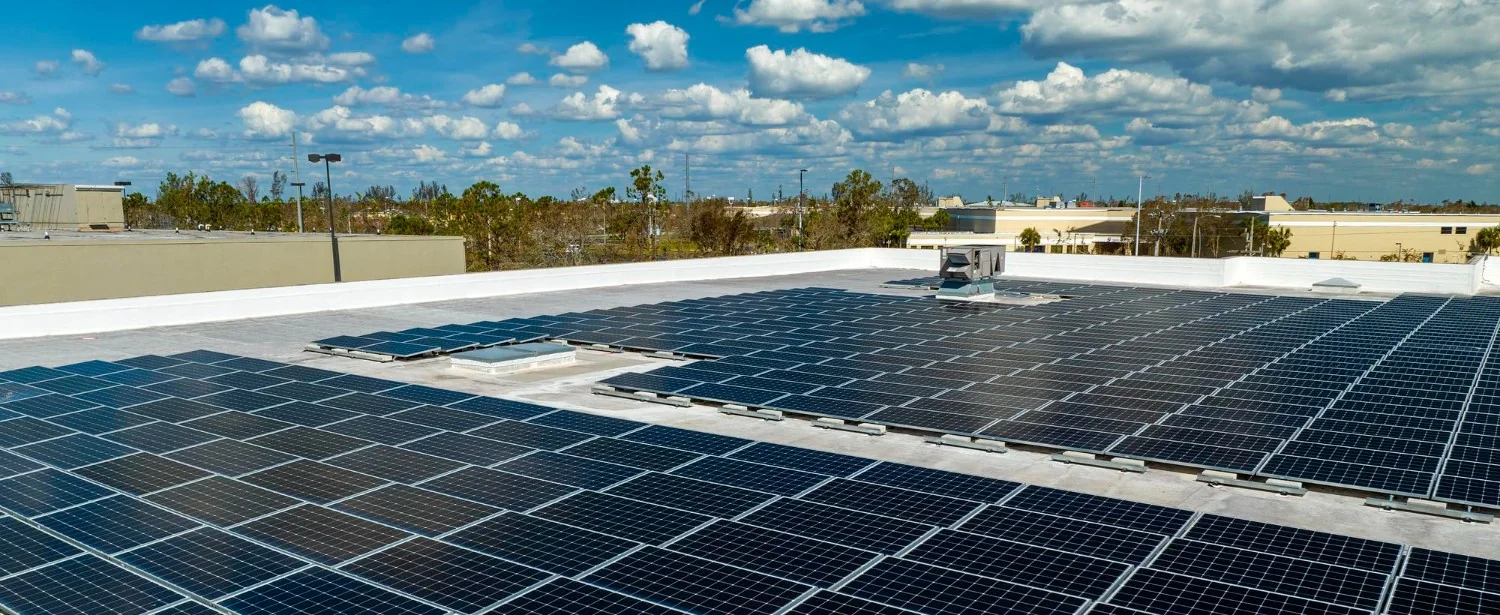
<ul><li><i>India’s rooftop solar capacity reached 30.7 GW in July 2026, increasing the need for better grid management and flexibility.</i></li><li><i>Kerala and Maharashtra are exploring battery ener…

• 𝘛𝘩𝘦 𝘌𝘐𝘉 𝘎𝘳𝘰𝘶𝘱 𝘱𝘭𝘢𝘯𝘴 𝘵𝘰 𝘱𝘳𝘰𝘷𝘪𝘥𝘦 𝘢𝘵 𝘭𝘦𝘢𝘴𝘵 €30 𝘣𝘪𝘭𝘭𝘪𝘰𝘯 𝘧𝘰𝘳 𝘤𝘭𝘪𝘮𝘢𝘵𝘦 𝘢𝘥𝘢𝘱𝘵𝘢𝘵𝘪𝘰𝘯 𝘣𝘦𝘵𝘸𝘦𝘦𝘯 2026 𝘢𝘯𝘥 2030. • 𝘛𝘩𝘦 𝘯𝘦𝘸 𝘵𝘢𝘳𝘨𝘦𝘵 𝘥𝘰𝘶𝘣𝘭𝘦𝘴 𝘢𝘥𝘢𝘱𝘵𝘢𝘵𝘪𝘰𝘯 𝘧𝘪𝘯𝘢𝘯𝘤𝘪𝘯𝘨 𝘤𝘰𝘮𝘱𝘢𝘳𝘦𝘥 𝘸𝘪𝘵𝘩 𝘵𝘩𝘦 𝘱𝘳𝘦𝘷𝘪𝘰𝘶𝘴 𝘧𝘪𝘷𝘦-𝘺𝘦𝘢𝘳 𝘱𝘦𝘳𝘪𝘰𝘥. • 𝘍𝘶𝘯𝘥𝘪𝘯𝘨…