


11 May 2026
India is considering increasing ethanol blending in petrol from the current 20% level to 25% as part of its broader strategy to reduce dependence on imported crude oil and strengthen long-term energy security. The proposal has gained momentum amid rising geopolitical tensions in West Asia and concerns over global oil supply disruptions.
The move is closely linked to India’s clean energy and sustainability goals. Ethanol, which is produced from agricultural sources such as sugarcane, maize, and crop residues, is considered a cleaner alternative to fossil fuels. By increasing ethanol usage in transport fuel, the government aims to lower carbon emissions, reduce foreign exchange spending on crude oil imports, and support the rural economy through higher demand for agricultural feedstock.
Officials are expected to implement the transition gradually to ensure compatibility with vehicles and fuel infrastructure across the country. Experts believe most newer vehicles can adapt to higher ethanol blends, but some older vehicles may experience a slight reduction in fuel efficiency or require technical adjustments. Automakers and fuel companies are already working on flex-fuel technologies and engines designed to handle higher ethanol concentrations.
India had already achieved its E20 petrol target nationwide in 2026, ahead of earlier timelines, and the government is now exploring even higher blends such as E85 and E100 for the future. Alongside ethanol expansion, India is also investing in renewable energy, green hydrogen, strategic petroleum reserves, and refining capacity to create a more resilient and diversified energy ecosystem.
An E25 target reshapes downstream demand for sugarcane, grain and agricultural residue-based ethanol, and it will affect BRSR-linked disclosure for OMCs, sugar mills and biofuel investors. Our energy-transition and supply-chain-and-operations teams help clients evaluate ethanol-supply strategy against feedstock sustainability, water-use disclosure and disclosure narrative.

• 𝘛𝘩𝘦 𝘜𝘈𝘌 𝘍𝘰𝘰𝘥 𝘉𝘢𝘯𝘬 𝘢𝘯𝘥 𝘋𝘶𝘣𝘢𝘪’𝘴 𝘊𝘰𝘮𝘮𝘶𝘯𝘪𝘵𝘺 𝘋𝘦𝘷𝘦𝘭𝘰𝘱𝘮𝘦𝘯𝘵 𝘈𝘶𝘵𝘩𝘰𝘳𝘪𝘵𝘺 (𝘊𝘋𝘈) 𝘩𝘢𝘷𝘦 𝘴𝘪𝘨𝘯𝘦𝘥 𝘢𝘯 𝘢𝘨𝘳𝘦𝘦𝘮𝘦𝘯𝘵 𝘵𝘰 𝘤𝘰𝘭𝘭𝘦𝘤𝘵 𝘢𝘯𝘥 𝘳𝘦𝘥𝘪𝘴𝘵𝘳𝘪𝘣𝘶𝘵𝘦 𝘴𝘶𝘳𝘱𝘭𝘶𝘴 𝘧𝘰𝘰𝘥 𝘧𝘳𝘰𝘮 𝘸𝘦𝘥𝘥𝘪𝘯𝘨𝘴 𝘢𝘯𝘥 𝘦𝘷𝘦𝘯𝘵𝘴. • 𝘛𝘩𝘦 𝘪𝘯𝘪𝘵𝘪𝘢𝘵𝘪𝘷𝘦 𝘸𝘪𝘭𝘭 𝘧𝘰𝘭𝘭𝘰𝘸 𝘢𝘱𝘱𝘳𝘰𝘷𝘦𝘥…
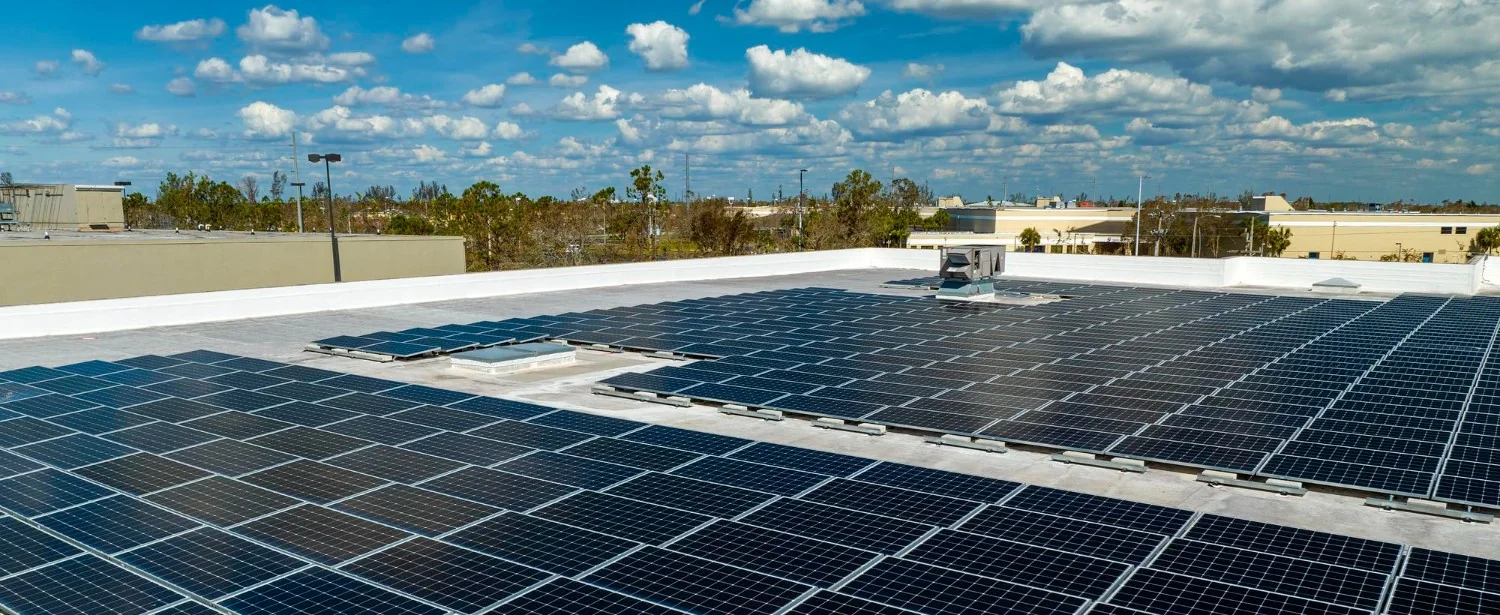
<ul><li><i>India’s rooftop solar capacity reached 30.7 GW in July 2026, increasing the need for better grid management and flexibility.</i></li><li><i>Kerala and Maharashtra are exploring battery ener…

• 𝘛𝘩𝘦 𝘌𝘐𝘉 𝘎𝘳𝘰𝘶𝘱 𝘱𝘭𝘢𝘯𝘴 𝘵𝘰 𝘱𝘳𝘰𝘷𝘪𝘥𝘦 𝘢𝘵 𝘭𝘦𝘢𝘴𝘵 €30 𝘣𝘪𝘭𝘭𝘪𝘰𝘯 𝘧𝘰𝘳 𝘤𝘭𝘪𝘮𝘢𝘵𝘦 𝘢𝘥𝘢𝘱𝘵𝘢𝘵𝘪𝘰𝘯 𝘣𝘦𝘵𝘸𝘦𝘦𝘯 2026 𝘢𝘯𝘥 2030. • 𝘛𝘩𝘦 𝘯𝘦𝘸 𝘵𝘢𝘳𝘨𝘦𝘵 𝘥𝘰𝘶𝘣𝘭𝘦𝘴 𝘢𝘥𝘢𝘱𝘵𝘢𝘵𝘪𝘰𝘯 𝘧𝘪𝘯𝘢𝘯𝘤𝘪𝘯𝘨 𝘤𝘰𝘮𝘱𝘢𝘳𝘦𝘥 𝘸𝘪𝘵𝘩 𝘵𝘩𝘦 𝘱𝘳𝘦𝘷𝘪𝘰𝘶𝘴 𝘧𝘪𝘷𝘦-𝘺𝘦𝘢𝘳 𝘱𝘦𝘳𝘪𝘰𝘥. • 𝘍𝘶𝘯𝘥𝘪𝘯𝘨…