


20 March 2026
India is planning a significant scale-up of its renewable energy capacity over the next decade, with solar power expected to grow fourfold and wind energy projected to triple, according to projections by the Central Electricity Authority under the Power Ministry.
The estimates are part of the country’s long-term electricity planning strategy, which outlines how India will meet rising power demand while gradually reducing its dependence on fossil fuels. The plan highlights a strong push toward clean energy to support both economic growth and climate commitments.
Solar energy is expected to see the fastest expansion, driven by falling costs, supportive policies, and increasing demand for clean electricity. Wind power will also grow substantially, contributing to a more diversified renewable energy mix. Alongside this, India is investing in energy storage solutions, including battery systems, to manage the intermittent nature of renewable sources.
Despite this rapid growth in renewables, coal will continue to play a role in India’s energy mix in the near term. However, its share in overall power generation is projected to decline significantly-from around 70% currently to below 50% over the next decade. This indicates a gradual but clear transition toward cleaner sources of energy.
The plan also emphasizes the role of hydropower and nuclear energy in ensuring grid stability, especially as renewable capacity increases. Overall, the strategy reflects India’s effort to balance energy security, affordability, and sustainability while moving toward a lower-carbon future.
In summary, the report signals a major shift in India’s power sector, with renewable energy expected to dominate future capacity additions and reshape the country’s energy landscape.
Quadrupling solar and tripling wind capacity in a decade requires solving the storage, grid and offtake constraints together rather than sequentially, and it changes what a credible pipeline actually looks like. Our energy-transition and responsible-investment teams help developers, IPPs and financiers rethink pipeline economics against this deployment pace.

• 𝘛𝘩𝘦 𝘜𝘈𝘌 𝘍𝘰𝘰𝘥 𝘉𝘢𝘯𝘬 𝘢𝘯𝘥 𝘋𝘶𝘣𝘢𝘪’𝘴 𝘊𝘰𝘮𝘮𝘶𝘯𝘪𝘵𝘺 𝘋𝘦𝘷𝘦𝘭𝘰𝘱𝘮𝘦𝘯𝘵 𝘈𝘶𝘵𝘩𝘰𝘳𝘪𝘵𝘺 (𝘊𝘋𝘈) 𝘩𝘢𝘷𝘦 𝘴𝘪𝘨𝘯𝘦𝘥 𝘢𝘯 𝘢𝘨𝘳𝘦𝘦𝘮𝘦𝘯𝘵 𝘵𝘰 𝘤𝘰𝘭𝘭𝘦𝘤𝘵 𝘢𝘯𝘥 𝘳𝘦𝘥𝘪𝘴𝘵𝘳𝘪𝘣𝘶𝘵𝘦 𝘴𝘶𝘳𝘱𝘭𝘶𝘴 𝘧𝘰𝘰𝘥 𝘧𝘳𝘰𝘮 𝘸𝘦𝘥𝘥𝘪𝘯𝘨𝘴 𝘢𝘯𝘥 𝘦𝘷𝘦𝘯𝘵𝘴. • 𝘛𝘩𝘦 𝘪𝘯𝘪𝘵𝘪𝘢𝘵𝘪𝘷𝘦 𝘸𝘪𝘭𝘭 𝘧𝘰𝘭𝘭𝘰𝘸 𝘢𝘱𝘱𝘳𝘰𝘷𝘦𝘥…
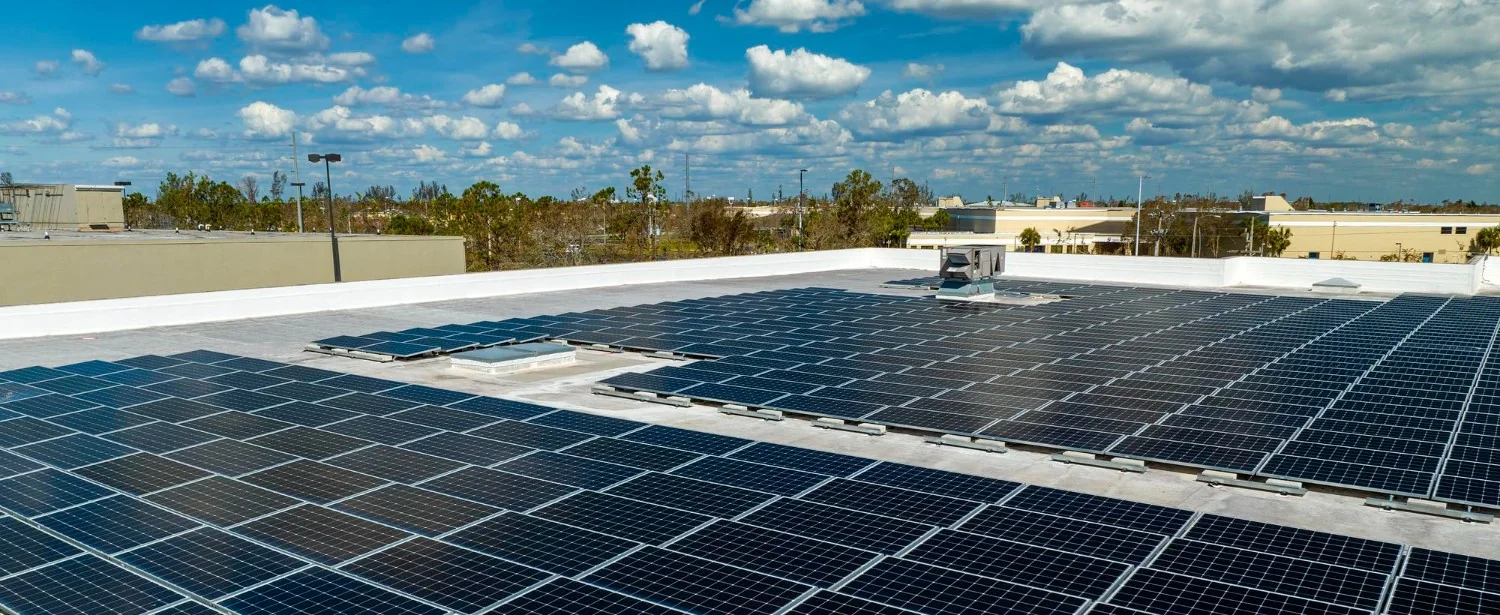
<ul><li><i>India’s rooftop solar capacity reached 30.7 GW in July 2026, increasing the need for better grid management and flexibility.</i></li><li><i>Kerala and Maharashtra are exploring battery ener…

• 𝘛𝘩𝘦 𝘌𝘐𝘉 𝘎𝘳𝘰𝘶𝘱 𝘱𝘭𝘢𝘯𝘴 𝘵𝘰 𝘱𝘳𝘰𝘷𝘪𝘥𝘦 𝘢𝘵 𝘭𝘦𝘢𝘴𝘵 €30 𝘣𝘪𝘭𝘭𝘪𝘰𝘯 𝘧𝘰𝘳 𝘤𝘭𝘪𝘮𝘢𝘵𝘦 𝘢𝘥𝘢𝘱𝘵𝘢𝘵𝘪𝘰𝘯 𝘣𝘦𝘵𝘸𝘦𝘦𝘯 2026 𝘢𝘯𝘥 2030. • 𝘛𝘩𝘦 𝘯𝘦𝘸 𝘵𝘢𝘳𝘨𝘦𝘵 𝘥𝘰𝘶𝘣𝘭𝘦𝘴 𝘢𝘥𝘢𝘱𝘵𝘢𝘵𝘪𝘰𝘯 𝘧𝘪𝘯𝘢𝘯𝘤𝘪𝘯𝘨 𝘤𝘰𝘮𝘱𝘢𝘳𝘦𝘥 𝘸𝘪𝘵𝘩 𝘵𝘩𝘦 𝘱𝘳𝘦𝘷𝘪𝘰𝘶𝘴 𝘧𝘪𝘷𝘦-𝘺𝘦𝘢𝘳 𝘱𝘦𝘳𝘪𝘰𝘥. • 𝘍𝘶𝘯𝘥𝘪𝘯𝘨…