


12 September 2025
India is set to introduce a national carbon capture initiative offering 50% to 100% government funding for selected projects. The move aims to encourage industries to adopt carbon capture, utilization, and storage (CCUS) technologies while continuing to rely on coal for energy.
CCUS technology captures carbon dioxide emissions from industrial processes or directly at the source, helping reduce environmental impact. Officials believe these incentives will promote sustainable use of coal in India’s energy sector.
Despite plans to increase non-fossil fuel capacity to 500 GW by 2030, coal will remain a significant part of the energy mix for the next two decades. The government is planning to expand coal-based capacity by 97 GW by 2035 to meet energy security needs.
The initiative also explores converting coal to synthetic natural gas to cut natural gas imports and integrating CCUS with gasification projects. Globally, CCUS is seen as essential for meeting climate targets, and India aims to align with these efforts while addressing its energy demands.
Carbon capture, utilisation and storage remains one of the more contested technology pathways in climate policy. The IEA and IPCC scenarios almost universally include some CCUS deployment, but the technology has struggled to reach commercial viability at scale outside a small number of specific applications. India's 50–100 percent funding structure recognises that market-only investment has not delivered CCUS at required pace.
The coal-plus-CCUS strategy also reflects a pragmatic acknowledgement: coal will remain part of India's energy mix through the 2030s and beyond, given the pace of demand growth and the scale of existing thermal-generation assets. Making that coal capacity as low-emitting as technologically feasible - while continuing to expand renewables - is a rational near-term response, even if the long-term trajectory ultimately favours displacement over decarbonisation.
For power generators, industrial emitters and technology providers evaluating CCUS opportunities, Cognitud's climate action, energy transition and responsible investment teams help clients build investment cases that reflect both the technical uncertainty and the emerging carbon-market frameworks that will ultimately determine whether captured emissions translate into commercial value - including alignment with Article 6, TCFD and ISSB expectations.

• 𝘛𝘩𝘦 𝘜𝘈𝘌 𝘍𝘰𝘰𝘥 𝘉𝘢𝘯𝘬 𝘢𝘯𝘥 𝘋𝘶𝘣𝘢𝘪’𝘴 𝘊𝘰𝘮𝘮𝘶𝘯𝘪𝘵𝘺 𝘋𝘦𝘷𝘦𝘭𝘰𝘱𝘮𝘦𝘯𝘵 𝘈𝘶𝘵𝘩𝘰𝘳𝘪𝘵𝘺 (𝘊𝘋𝘈) 𝘩𝘢𝘷𝘦 𝘴𝘪𝘨𝘯𝘦𝘥 𝘢𝘯 𝘢𝘨𝘳𝘦𝘦𝘮𝘦𝘯𝘵 𝘵𝘰 𝘤𝘰𝘭𝘭𝘦𝘤𝘵 𝘢𝘯𝘥 𝘳𝘦𝘥𝘪𝘴𝘵𝘳𝘪𝘣𝘶𝘵𝘦 𝘴𝘶𝘳𝘱𝘭𝘶𝘴 𝘧𝘰𝘰𝘥 𝘧𝘳𝘰𝘮 𝘸𝘦𝘥𝘥𝘪𝘯𝘨𝘴 𝘢𝘯𝘥 𝘦𝘷𝘦𝘯𝘵𝘴. • 𝘛𝘩𝘦 𝘪𝘯𝘪𝘵𝘪𝘢𝘵𝘪𝘷𝘦 𝘸𝘪𝘭𝘭 𝘧𝘰𝘭𝘭𝘰𝘸 𝘢𝘱𝘱𝘳𝘰𝘷𝘦𝘥…
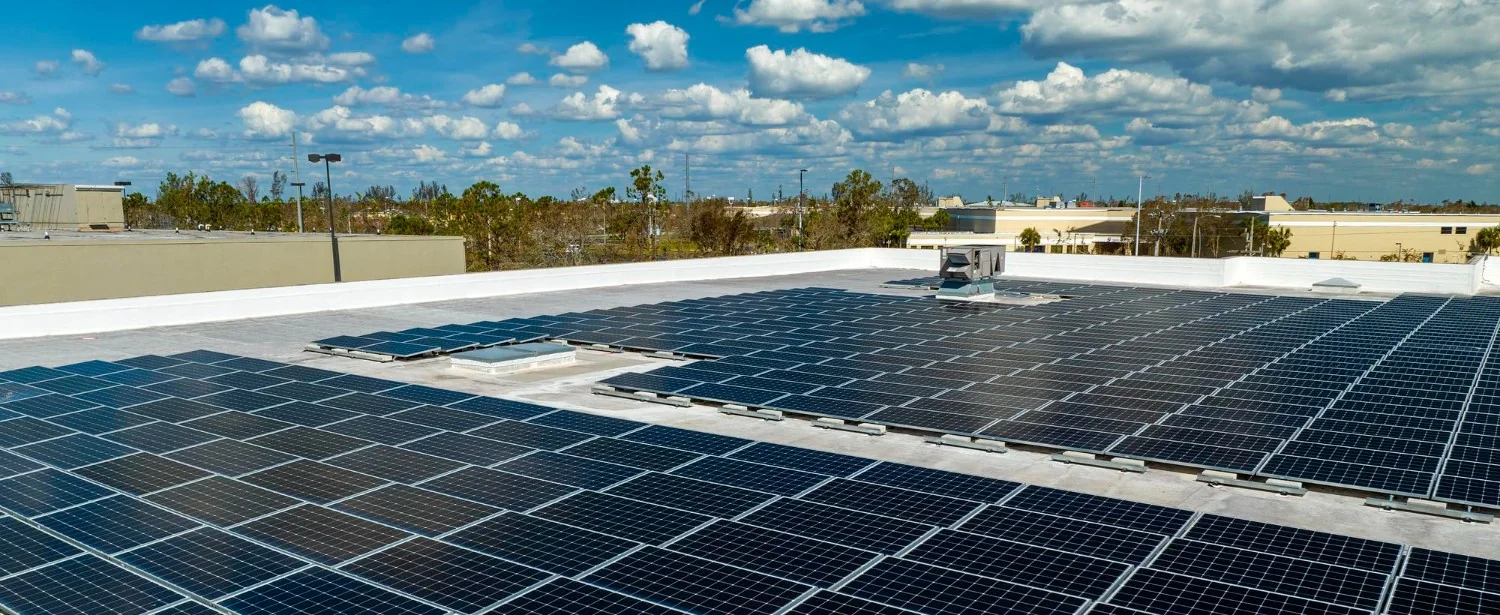
<ul><li><i>India’s rooftop solar capacity reached 30.7 GW in July 2026, increasing the need for better grid management and flexibility.</i></li><li><i>Kerala and Maharashtra are exploring battery ener…

• 𝘛𝘩𝘦 𝘌𝘐𝘉 𝘎𝘳𝘰𝘶𝘱 𝘱𝘭𝘢𝘯𝘴 𝘵𝘰 𝘱𝘳𝘰𝘷𝘪𝘥𝘦 𝘢𝘵 𝘭𝘦𝘢𝘴𝘵 €30 𝘣𝘪𝘭𝘭𝘪𝘰𝘯 𝘧𝘰𝘳 𝘤𝘭𝘪𝘮𝘢𝘵𝘦 𝘢𝘥𝘢𝘱𝘵𝘢𝘵𝘪𝘰𝘯 𝘣𝘦𝘵𝘸𝘦𝘦𝘯 2026 𝘢𝘯𝘥 2030. • 𝘛𝘩𝘦 𝘯𝘦𝘸 𝘵𝘢𝘳𝘨𝘦𝘵 𝘥𝘰𝘶𝘣𝘭𝘦𝘴 𝘢𝘥𝘢𝘱𝘵𝘢𝘵𝘪𝘰𝘯 𝘧𝘪𝘯𝘢𝘯𝘤𝘪𝘯𝘨 𝘤𝘰𝘮𝘱𝘢𝘳𝘦𝘥 𝘸𝘪𝘵𝘩 𝘵𝘩𝘦 𝘱𝘳𝘦𝘷𝘪𝘰𝘶𝘴 𝘧𝘪𝘷𝘦-𝘺𝘦𝘢𝘳 𝘱𝘦𝘳𝘪𝘰𝘥. • 𝘍𝘶𝘯𝘥𝘪𝘯𝘨…