


13 January 2026
India’s Ministry of New and Renewable Energy, a central government authority, has announced that developers of renewable energy projects will be allowed additional time to complete certain delayed solar projects. This decision comes after a prolonged legal dispute over the construction of power transmission lines in the habitats of the critically endangered Great Indian Bustard bird in parts of Rajasthan and Gujarat.
The ministry’s official order states that delays caused by challenges in getting approval for overhead transmission lines in these sensitive ecological areas will be treated as “force majeure”-meaning they are situations beyond the control of project developers. As a result, these developers are now eligible to seek extensions to their original commissioning deadlines if the delays occurred between March 21, 2024, and December 19, 2025.
This move follows a Supreme Court ruling in December 2025, which backed recommendations by an expert panel to better protect the Great Indian Bustard. The panel’s plan includes stricter limits on new solar and wind projects in key habitat zones and calls for undergrounding or rerouting of critical transmission lines to reduce environmental harm.
Developers had paused work on affected projects while awaiting clarity from the courts, which put them at risk of penalties or disconnection under grid rules if they missed contractual commissioning dates. The ministry’s order does not specify how long the extensions might be, but it directs renewable energy implementing agencies to grant relief where appropriate.
To further support the impacted projects, the ministry has also asked the Ministry of Power and electricity grid operators to adjust connectivity and transmission charges for the affected developers.
India is pursuing an ambitious goal of achieving 500 gigawatts (GW) of non-fossil fuel power capacity by 2030, and this administrative step aims to keep renewable energy project timelines from being jeopardized by environmental litigation delays and infrastructure challenges.
Bird-conservation-linked project delays illustrate how biodiversity risk is becoming a real operational factor for renewable developers, and TNFD-aligned disclosure will make that risk formal rather than incidental. Our nature-based-solutions and sustainability-due-diligence teams help clients evaluate biodiversity-related delivery risk and align disclosure with international frameworks.

• 𝘛𝘩𝘦 𝘜𝘈𝘌 𝘍𝘰𝘰𝘥 𝘉𝘢𝘯𝘬 𝘢𝘯𝘥 𝘋𝘶𝘣𝘢𝘪’𝘴 𝘊𝘰𝘮𝘮𝘶𝘯𝘪𝘵𝘺 𝘋𝘦𝘷𝘦𝘭𝘰𝘱𝘮𝘦𝘯𝘵 𝘈𝘶𝘵𝘩𝘰𝘳𝘪𝘵𝘺 (𝘊𝘋𝘈) 𝘩𝘢𝘷𝘦 𝘴𝘪𝘨𝘯𝘦𝘥 𝘢𝘯 𝘢𝘨𝘳𝘦𝘦𝘮𝘦𝘯𝘵 𝘵𝘰 𝘤𝘰𝘭𝘭𝘦𝘤𝘵 𝘢𝘯𝘥 𝘳𝘦𝘥𝘪𝘴𝘵𝘳𝘪𝘣𝘶𝘵𝘦 𝘴𝘶𝘳𝘱𝘭𝘶𝘴 𝘧𝘰𝘰𝘥 𝘧𝘳𝘰𝘮 𝘸𝘦𝘥𝘥𝘪𝘯𝘨𝘴 𝘢𝘯𝘥 𝘦𝘷𝘦𝘯𝘵𝘴. • 𝘛𝘩𝘦 𝘪𝘯𝘪𝘵𝘪𝘢𝘵𝘪𝘷𝘦 𝘸𝘪𝘭𝘭 𝘧𝘰𝘭𝘭𝘰𝘸 𝘢𝘱𝘱𝘳𝘰𝘷𝘦𝘥…
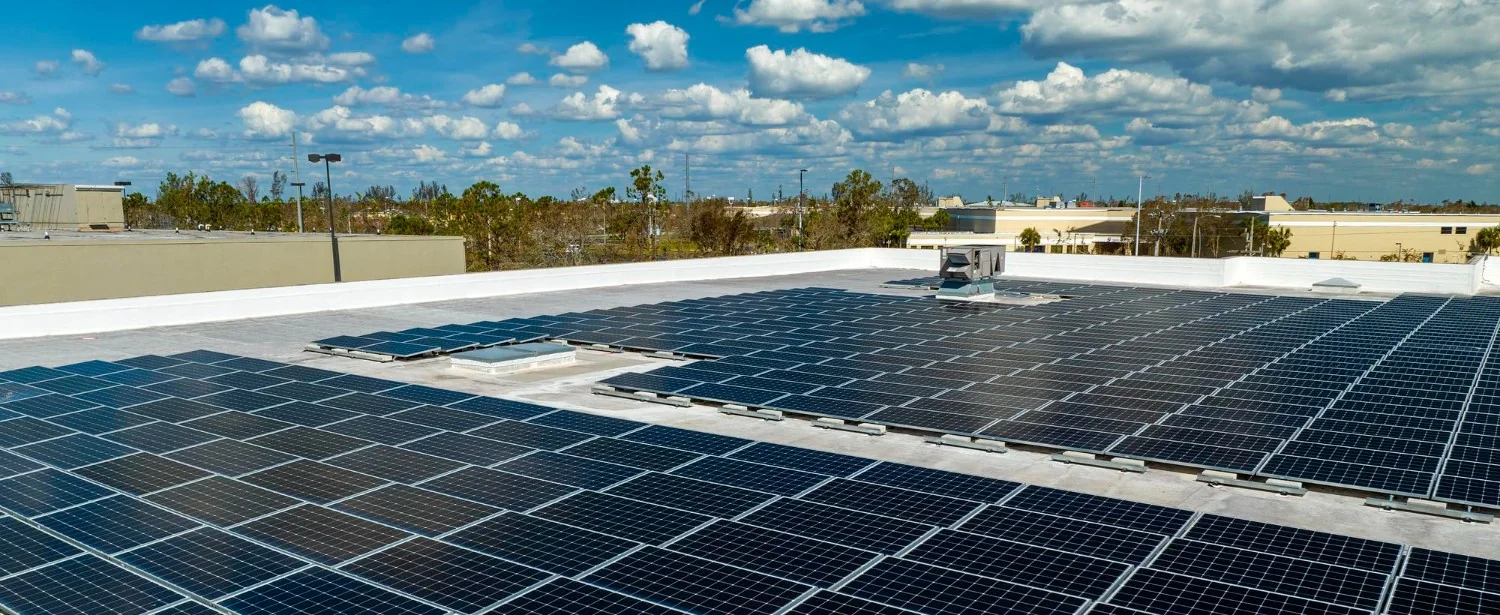
<ul><li><i>India’s rooftop solar capacity reached 30.7 GW in July 2026, increasing the need for better grid management and flexibility.</i></li><li><i>Kerala and Maharashtra are exploring battery ener…

• 𝘛𝘩𝘦 𝘌𝘐𝘉 𝘎𝘳𝘰𝘶𝘱 𝘱𝘭𝘢𝘯𝘴 𝘵𝘰 𝘱𝘳𝘰𝘷𝘪𝘥𝘦 𝘢𝘵 𝘭𝘦𝘢𝘴𝘵 €30 𝘣𝘪𝘭𝘭𝘪𝘰𝘯 𝘧𝘰𝘳 𝘤𝘭𝘪𝘮𝘢𝘵𝘦 𝘢𝘥𝘢𝘱𝘵𝘢𝘵𝘪𝘰𝘯 𝘣𝘦𝘵𝘸𝘦𝘦𝘯 2026 𝘢𝘯𝘥 2030. • 𝘛𝘩𝘦 𝘯𝘦𝘸 𝘵𝘢𝘳𝘨𝘦𝘵 𝘥𝘰𝘶𝘣𝘭𝘦𝘴 𝘢𝘥𝘢𝘱𝘵𝘢𝘵𝘪𝘰𝘯 𝘧𝘪𝘯𝘢𝘯𝘤𝘪𝘯𝘨 𝘤𝘰𝘮𝘱𝘢𝘳𝘦𝘥 𝘸𝘪𝘵𝘩 𝘵𝘩𝘦 𝘱𝘳𝘦𝘷𝘪𝘰𝘶𝘴 𝘧𝘪𝘷𝘦-𝘺𝘦𝘢𝘳 𝘱𝘦𝘳𝘪𝘰𝘥. • 𝘍𝘶𝘯𝘥𝘪𝘯𝘨…