


03 December 2025
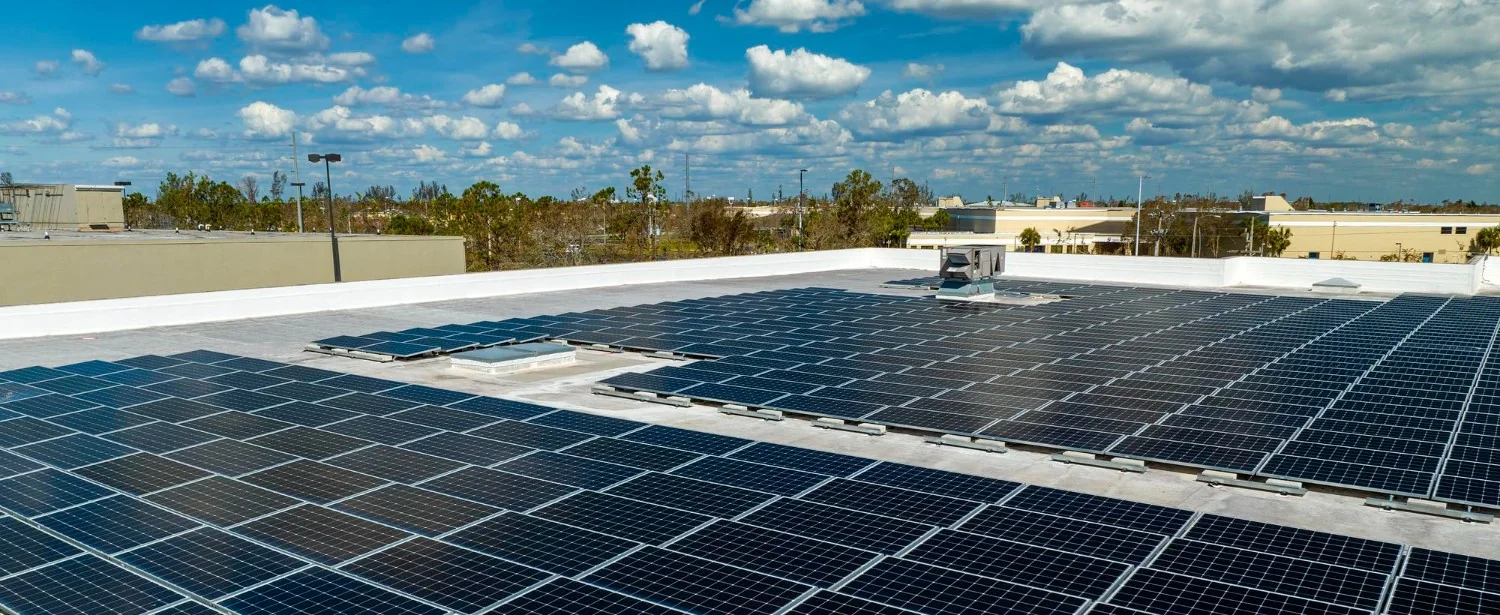
India is set to accelerate its clean energy transition as the government expands rooftop solar adoption under the PM Suryaghar Muft Bijli Yojana. New and renewable energy minister Pralhad Joshi stated that the target now is to install 50–55 lakh rooftop solar systems by 2026, marking the most rapid national rollout to date.
The minister emphasized that renewable capacity growth is already strong, and the next priority will be strengthening transmission networks to ensure efficient utilisation of power assets.
The country has achieved significant milestones in 2025, emerging as the world’s third-largest solar power market and fourth in total renewable energy capacity. Half of India’s 2030 target - 500 GW of non-fossil fuel capacity - has already been achieved ahead of schedule. Joshi highlighted that remaining challenges include land acquisition issues and ensuring timely development of grid evacuation infrastructure in various states.
Looking further ahead, India aims to reach 1,800 GW of non-fossil energy by 2047, a target the minister described as execution-dependent but achievable. With the world’s lowest solar prices and record-low green ammonia bids under the National Green Hydrogen Mission (at ₹53.27/kg), he expressed confidence that affordable clean power will position India as a global leader in renewable energy and green hydrogen technologies.
Support for the sector is expected to remain strong in the upcoming Union Budget for FY27. Joshi said that key policy focus areas will include scaling the Surya Ghar programme, progressing the green hydrogen roadmap, pushing an upcoming small hydro policy, and expanding transmission capabilities. He noted initial rollout challenges in rooftop solar due to the election code of conduct but said installations have now surged past 23 lakh with new utility-led models improving deployment efficiency.
The National Green Hydrogen Mission is advancing in line with its target of producing 5 million tonnes annually by 2030. While domestic carbon market development may take longer, partnerships and investments are growing steadily. As consumer affairs minister, Joshi also pointed to stricter oversight of dark patterns and misleading claims on e-commerce platforms, with 26 major firms having conducted audits to monitor compliance.
To diversify the clean-energy portfolio, India is also moving on geothermal and offshore wind. The first National Geothermal Energy Policy focuses on early commercial projects by 2030 in high-potential regions like Ladakh and Himachal Pradesh, initially prioritizing direct heating applications.
Offshore wind has seen slower progress due to high costs and infrastructure needs, though a viability gap funding scheme and early tenders are in place. Both sectors represent long-term bets to support India’s broader clean-energy ambitions.
Aggressive rooftop-solar and green-hydrogen acceleration change what corporates evaluating Indian Scope 2 procurement and hydrogen offtake should plan for - and geothermal and offshore-wind moves add optionality that wasn't part of the 2030 conversation a year ago. Our energy-transition and responsible-investment teams help clients evaluate what these dynamics mean for procurement strategy and disclosure.

• 𝘛𝘩𝘦 𝘜𝘈𝘌 𝘍𝘰𝘰𝘥 𝘉𝘢𝘯𝘬 𝘢𝘯𝘥 𝘋𝘶𝘣𝘢𝘪’𝘴 𝘊𝘰𝘮𝘮𝘶𝘯𝘪𝘵𝘺 𝘋𝘦𝘷𝘦𝘭𝘰𝘱𝘮𝘦𝘯𝘵 𝘈𝘶𝘵𝘩𝘰𝘳𝘪𝘵𝘺 (𝘊𝘋𝘈) 𝘩𝘢𝘷𝘦 𝘴𝘪𝘨𝘯𝘦𝘥 𝘢𝘯 𝘢𝘨𝘳𝘦𝘦𝘮𝘦𝘯𝘵 𝘵𝘰 𝘤𝘰𝘭𝘭𝘦𝘤𝘵 𝘢𝘯𝘥 𝘳𝘦𝘥𝘪𝘴𝘵𝘳𝘪𝘣𝘶𝘵𝘦 𝘴𝘶𝘳𝘱𝘭𝘶𝘴 𝘧𝘰𝘰𝘥 𝘧𝘳𝘰𝘮 𝘸𝘦𝘥𝘥𝘪𝘯𝘨𝘴 𝘢𝘯𝘥 𝘦𝘷𝘦𝘯𝘵𝘴. • 𝘛𝘩𝘦 𝘪𝘯𝘪𝘵𝘪𝘢𝘵𝘪𝘷𝘦 𝘸𝘪𝘭𝘭 𝘧𝘰𝘭𝘭𝘰𝘸 𝘢𝘱𝘱𝘳𝘰𝘷𝘦𝘥…
<ul><li><i>India’s rooftop solar capacity reached 30.7 GW in July 2026, increasing the need for better grid management and flexibility.</i></li><li><i>Kerala and Maharashtra are exploring battery ener…

• 𝘛𝘩𝘦 𝘌𝘐𝘉 𝘎𝘳𝘰𝘶𝘱 𝘱𝘭𝘢𝘯𝘴 𝘵𝘰 𝘱𝘳𝘰𝘷𝘪𝘥𝘦 𝘢𝘵 𝘭𝘦𝘢𝘴𝘵 €30 𝘣𝘪𝘭𝘭𝘪𝘰𝘯 𝘧𝘰𝘳 𝘤𝘭𝘪𝘮𝘢𝘵𝘦 𝘢𝘥𝘢𝘱𝘵𝘢𝘵𝘪𝘰𝘯 𝘣𝘦𝘵𝘸𝘦𝘦𝘯 2026 𝘢𝘯𝘥 2030. • 𝘛𝘩𝘦 𝘯𝘦𝘸 𝘵𝘢𝘳𝘨𝘦𝘵 𝘥𝘰𝘶𝘣𝘭𝘦𝘴 𝘢𝘥𝘢𝘱𝘵𝘢𝘵𝘪𝘰𝘯 𝘧𝘪𝘯𝘢𝘯𝘤𝘪𝘯𝘨 𝘤𝘰𝘮𝘱𝘢𝘳𝘦𝘥 𝘸𝘪𝘵𝘩 𝘵𝘩𝘦 𝘱𝘳𝘦𝘷𝘪𝘰𝘶𝘴 𝘧𝘪𝘷𝘦-𝘺𝘦𝘢𝘳 𝘱𝘦𝘳𝘪𝘰𝘥. • 𝘍𝘶𝘯𝘥𝘪𝘯𝘨…