


14 July 2025
In a significant policy shift, the Indian government has relaxed sulphur dioxide (SO₂) emission norms for coal-based power plants, effectively reversing a decade-old environmental mandate introduced in 2015.
The revised notification from the Ministry of Environment, Forest and Climate Change (MoEFCC) allows plants to comply with less stringent norms based on their location and prioritisation. The move is aimed at ensuring uninterrupted power supply and supporting economic growth, especially in regions dependent on coal-fired power generation.
Under the new rules, coal plants have been categorised into three groups: those in densely populated or ecologically sensitive areas, those within a 10 km radius of such zones, and all remaining plants. Only plants in the first category will now be required to install Flue Gas Desulphurisation (FGD) units by December 2027.
Others have either longer deadlines or are exempt from installing FGDs altogether. This revision replaces the uniform requirement issued in 2015, which mandated the installation of FGDs across all thermal power plants to curb sulphur emissions and reduce air pollution.
While the power sector has welcomed the decision as a relief that balances environmental concerns with energy security, environmental experts have expressed serious reservations. Critics argue that this rollback could worsen air quality, especially in regions already struggling with high pollution levels. India is the world’s third-largest emitter of greenhouse gases, and this dilution of emission standards raises concerns about its commitment to global climate goals.
Rolling back the FGD mandate reduces near-term coal-plant capex but pushes air-quality and community-health liability into a longer tail - one that insurers, lenders and downstream buyers are increasingly reading before they price. Our sustainability-due-diligence and impact-assessment teams help clients evaluate what softened environmental norms mean for stranded-asset exposure and TCFD-aligned narratives.

• 𝘛𝘩𝘦 𝘜𝘈𝘌 𝘍𝘰𝘰𝘥 𝘉𝘢𝘯𝘬 𝘢𝘯𝘥 𝘋𝘶𝘣𝘢𝘪’𝘴 𝘊𝘰𝘮𝘮𝘶𝘯𝘪𝘵𝘺 𝘋𝘦𝘷𝘦𝘭𝘰𝘱𝘮𝘦𝘯𝘵 𝘈𝘶𝘵𝘩𝘰𝘳𝘪𝘵𝘺 (𝘊𝘋𝘈) 𝘩𝘢𝘷𝘦 𝘴𝘪𝘨𝘯𝘦𝘥 𝘢𝘯 𝘢𝘨𝘳𝘦𝘦𝘮𝘦𝘯𝘵 𝘵𝘰 𝘤𝘰𝘭𝘭𝘦𝘤𝘵 𝘢𝘯𝘥 𝘳𝘦𝘥𝘪𝘴𝘵𝘳𝘪𝘣𝘶𝘵𝘦 𝘴𝘶𝘳𝘱𝘭𝘶𝘴 𝘧𝘰𝘰𝘥 𝘧𝘳𝘰𝘮 𝘸𝘦𝘥𝘥𝘪𝘯𝘨𝘴 𝘢𝘯𝘥 𝘦𝘷𝘦𝘯𝘵𝘴. • 𝘛𝘩𝘦 𝘪𝘯𝘪𝘵𝘪𝘢𝘵𝘪𝘷𝘦 𝘸𝘪𝘭𝘭 𝘧𝘰𝘭𝘭𝘰𝘸 𝘢𝘱𝘱𝘳𝘰𝘷𝘦𝘥…
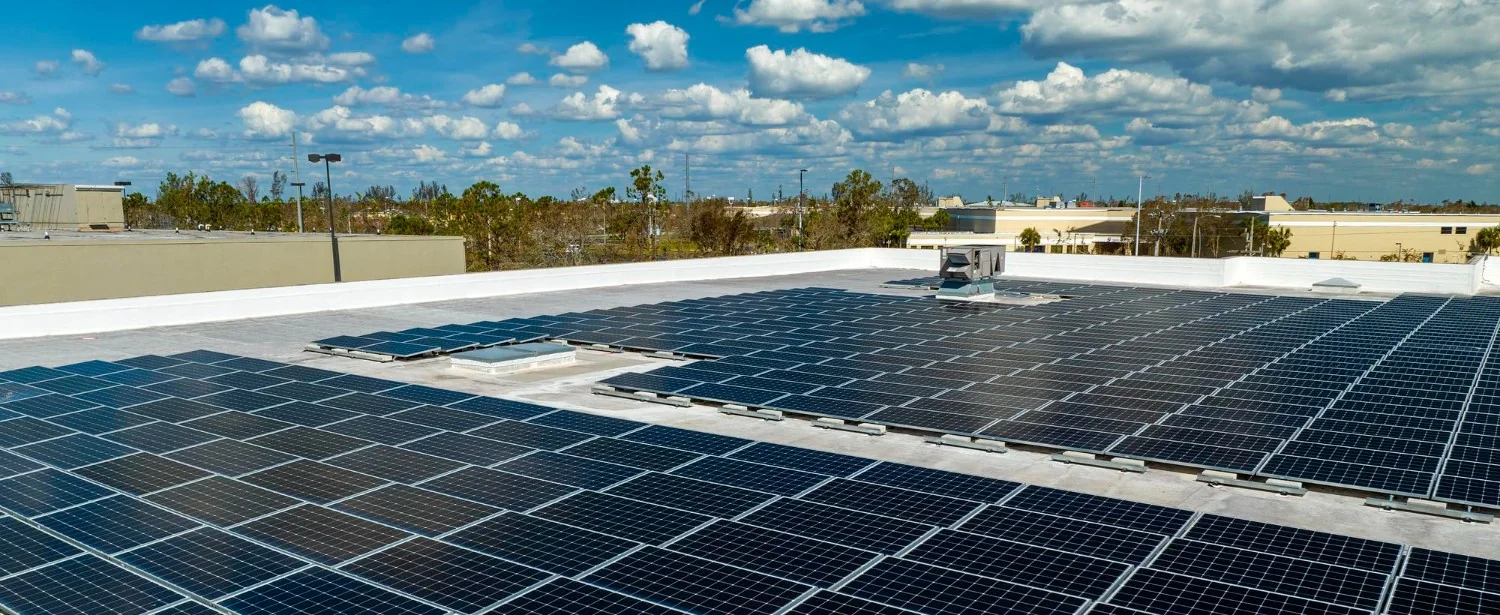
<ul><li><i>India’s rooftop solar capacity reached 30.7 GW in July 2026, increasing the need for better grid management and flexibility.</i></li><li><i>Kerala and Maharashtra are exploring battery ener…

• 𝘛𝘩𝘦 𝘌𝘐𝘉 𝘎𝘳𝘰𝘶𝘱 𝘱𝘭𝘢𝘯𝘴 𝘵𝘰 𝘱𝘳𝘰𝘷𝘪𝘥𝘦 𝘢𝘵 𝘭𝘦𝘢𝘴𝘵 €30 𝘣𝘪𝘭𝘭𝘪𝘰𝘯 𝘧𝘰𝘳 𝘤𝘭𝘪𝘮𝘢𝘵𝘦 𝘢𝘥𝘢𝘱𝘵𝘢𝘵𝘪𝘰𝘯 𝘣𝘦𝘵𝘸𝘦𝘦𝘯 2026 𝘢𝘯𝘥 2030. • 𝘛𝘩𝘦 𝘯𝘦𝘸 𝘵𝘢𝘳𝘨𝘦𝘵 𝘥𝘰𝘶𝘣𝘭𝘦𝘴 𝘢𝘥𝘢𝘱𝘵𝘢𝘵𝘪𝘰𝘯 𝘧𝘪𝘯𝘢𝘯𝘤𝘪𝘯𝘨 𝘤𝘰𝘮𝘱𝘢𝘳𝘦𝘥 𝘸𝘪𝘵𝘩 𝘵𝘩𝘦 𝘱𝘳𝘦𝘷𝘪𝘰𝘶𝘴 𝘧𝘪𝘷𝘦-𝘺𝘦𝘢𝘳 𝘱𝘦𝘳𝘪𝘰𝘥. • 𝘍𝘶𝘯𝘥𝘪𝘯𝘨…