


13 April 2026
India is planning a significant overhaul of its steel industry, aiming to strike a balance between rapid industrial growth and environmental responsibility. According to a government document, the country intends to reduce carbon emissions intensity from steel production by around 25% by 2035–36, even as it works to double its overall steelmaking capacity. This reflects a broader push to align industrial expansion with long-term climate commitments.
The strategy outlines a plan to scale up steel production capacity to approximately 500 million tonnes per year, up from current levels. This expansion is driven by rising domestic demand from infrastructure, construction, and manufacturing sectors. However, the government is simultaneously focusing on lowering the environmental footprint of this growth, recognizing that steel production is one of the most carbon-intensive industrial activities.
To achieve emission reductions, India is looking to shift toward cleaner production methods. These include increasing the use of steel scrap in electric arc furnaces, promoting gas-based steelmaking processes instead of traditional coal-based methods, and improving overall energy efficiency across plants.
The policy also signals interest in adopting emerging technologies such as green hydrogen for steel production, although these solutions are still in early stages and may require significant investment and policy support.
The move is also influenced by global climate policies and market pressures. As regions like the European Union implement carbon border taxes, Indian steel producers may face competitiveness challenges if emissions are not reduced. By focusing on cleaner production, India aims to maintain its position in global markets while progressing toward its broader goal of achieving net-zero emissions by 2070.
Overall, the plan highlights the complexity of transforming a heavy industry like steel, where economic growth and sustainability goals often conflict. Successfully implementing these measures will depend on technological innovation, financial investment, and coordinated policy efforts across the sector.
Sustainable-steel growth in India ties into both the green-steel procurement mandate and CBAM-exposed export competitiveness, and it changes capex and disclosure planning for producers on both sides. Our supply-chain-and-operations and climate-action teams help clients evaluate what green-steel dynamics mean for sourcing strategy and disclosure narrative.

• 𝘛𝘩𝘦 𝘜𝘈𝘌 𝘍𝘰𝘰𝘥 𝘉𝘢𝘯𝘬 𝘢𝘯𝘥 𝘋𝘶𝘣𝘢𝘪’𝘴 𝘊𝘰𝘮𝘮𝘶𝘯𝘪𝘵𝘺 𝘋𝘦𝘷𝘦𝘭𝘰𝘱𝘮𝘦𝘯𝘵 𝘈𝘶𝘵𝘩𝘰𝘳𝘪𝘵𝘺 (𝘊𝘋𝘈) 𝘩𝘢𝘷𝘦 𝘴𝘪𝘨𝘯𝘦𝘥 𝘢𝘯 𝘢𝘨𝘳𝘦𝘦𝘮𝘦𝘯𝘵 𝘵𝘰 𝘤𝘰𝘭𝘭𝘦𝘤𝘵 𝘢𝘯𝘥 𝘳𝘦𝘥𝘪𝘴𝘵𝘳𝘪𝘣𝘶𝘵𝘦 𝘴𝘶𝘳𝘱𝘭𝘶𝘴 𝘧𝘰𝘰𝘥 𝘧𝘳𝘰𝘮 𝘸𝘦𝘥𝘥𝘪𝘯𝘨𝘴 𝘢𝘯𝘥 𝘦𝘷𝘦𝘯𝘵𝘴. • 𝘛𝘩𝘦 𝘪𝘯𝘪𝘵𝘪𝘢𝘵𝘪𝘷𝘦 𝘸𝘪𝘭𝘭 𝘧𝘰𝘭𝘭𝘰𝘸 𝘢𝘱𝘱𝘳𝘰𝘷𝘦𝘥…
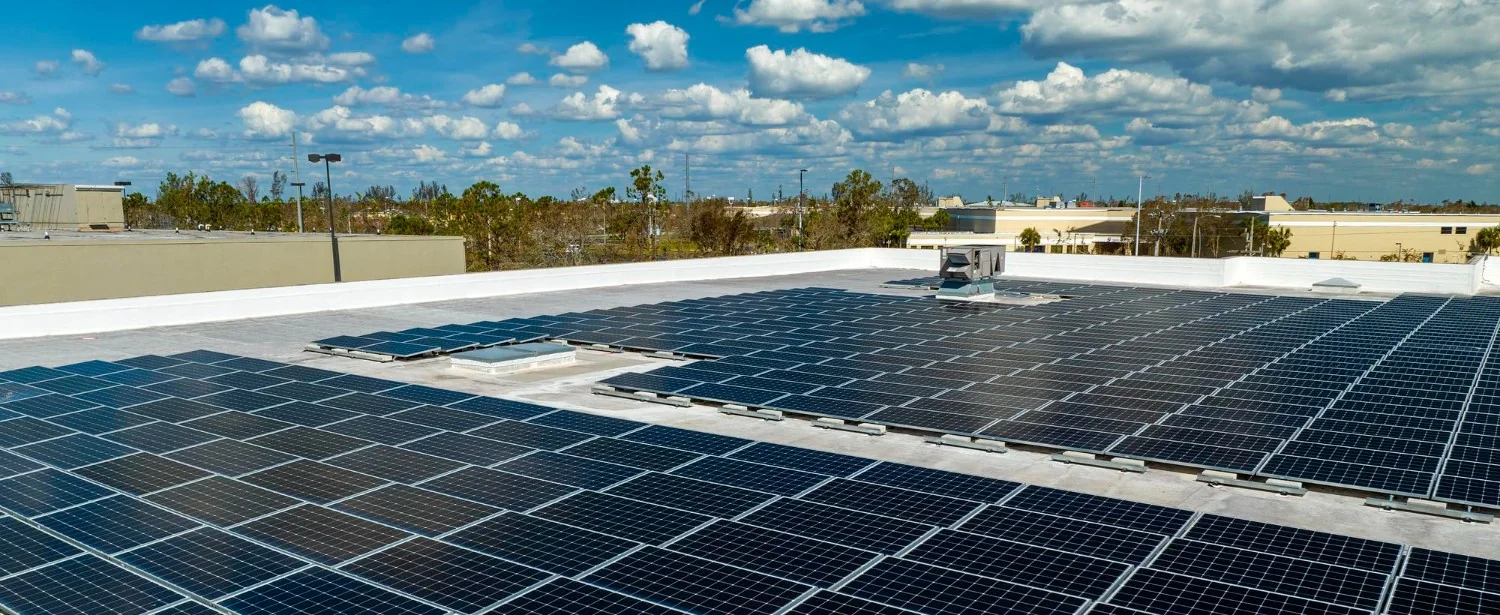
<ul><li><i>India’s rooftop solar capacity reached 30.7 GW in July 2026, increasing the need for better grid management and flexibility.</i></li><li><i>Kerala and Maharashtra are exploring battery ener…
• 𝘛𝘩𝘦 𝘌𝘐𝘉 𝘎𝘳𝘰𝘶𝘱 𝘱𝘭𝘢𝘯𝘴 𝘵𝘰 𝘱𝘳𝘰𝘷𝘪𝘥𝘦 𝘢𝘵 𝘭𝘦𝘢𝘴𝘵 €30 𝘣𝘪𝘭𝘭𝘪𝘰𝘯 𝘧𝘰𝘳 𝘤𝘭𝘪𝘮𝘢𝘵𝘦 𝘢𝘥𝘢𝘱𝘵𝘢𝘵𝘪𝘰𝘯 𝘣𝘦𝘵𝘸𝘦𝘦𝘯 2026 𝘢𝘯𝘥 2030. • 𝘛𝘩𝘦 𝘯𝘦𝘸 𝘵𝘢𝘳𝘨𝘦𝘵 𝘥𝘰𝘶𝘣𝘭𝘦𝘴 𝘢𝘥𝘢𝘱𝘵𝘢𝘵𝘪𝘰𝘯 𝘧𝘪𝘯𝘢𝘯𝘤𝘪𝘯𝘨 𝘤𝘰𝘮𝘱𝘢𝘳𝘦𝘥 𝘸𝘪𝘵𝘩 𝘵𝘩𝘦 𝘱𝘳𝘦𝘷𝘪𝘰𝘶𝘴 𝘧𝘪𝘷𝘦-𝘺𝘦𝘢𝘳 𝘱𝘦𝘳𝘪𝘰𝘥. • 𝘍𝘶𝘯𝘥𝘪𝘯𝘨…