

12 May 2026
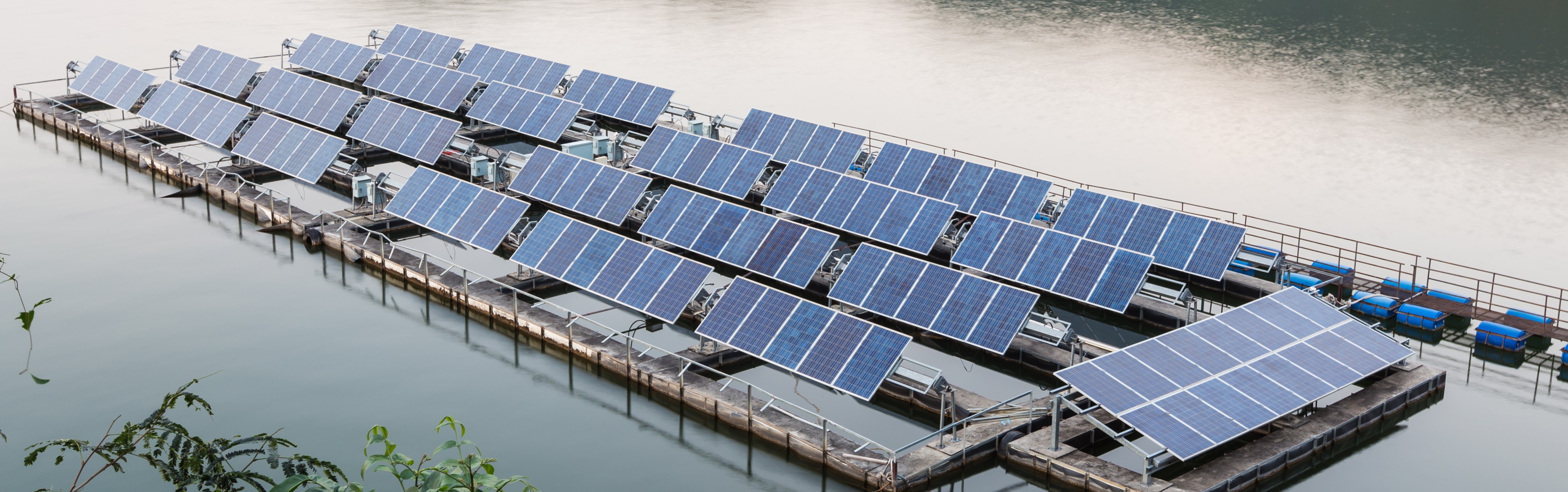
India is exploring nationwide incentives for floating solar projects as part of its broader push to expand renewable energy capacity and strengthen the clean energy transition. The move is aimed at encouraging developers to invest in floating solar installations across reservoirs, dams, and other water bodies.
Floating solar projects are seen as a promising solution for addressing land constraints that often slow down large-scale solar deployment. By utilizing existing water surfaces, these projects can help generate renewable electricity without competing for agricultural or urban land resources.
The proposed incentives could help accelerate adoption beyond solar-rich states such as Rajasthan and Gujarat, opening opportunities for wider renewable energy development across the country. Industry experts believe floating solar can also improve energy efficiency, as water bodies naturally help cool solar panels and enhance performance.
India has been steadily increasing its focus on renewable energy to meet climate goals, reduce dependence on fossil fuels, and strengthen long-term energy security. Expanding floating solar infrastructure could become an important part of the country’s strategy to diversify clean energy generation while supporting sustainable infrastructure development.
Floating solar addresses one of the more binding constraints on land-based solar expansion in densely-populated regions: land availability. India has substantial water-body area - reservoirs, dam reserves, industrial cooling ponds - that could host FPV without competing with agricultural, residential or industrial land uses. The technology also benefits from water-cooling effects that improve panel efficiency.
Extending nationwide incentives beyond current solar-rich states (Rajasthan, Gujarat) diversifies India's renewable capacity build across states with less abundant land but substantial water bodies. This geographic diversification also helps with grid balancing and reduces transmission-congestion risk that concentrated capacity has created.
For renewable developers, water-body operators, technology providers and financial institutions supporting Indian solar expansion, Cognitud's energy transition, market intelligence and responsible investment teams help clients evaluate FPV opportunities across states, structure PPA and land-use arrangements, and prepare disclosures aligned with BRSR, ISSB and TCFD expectations that increasingly determine access to sustainable-finance for innovative renewable technology deployment.

• 𝘛𝘩𝘦 𝘜𝘈𝘌 𝘍𝘰𝘰𝘥 𝘉𝘢𝘯𝘬 𝘢𝘯𝘥 𝘋𝘶𝘣𝘢𝘪’𝘴 𝘊𝘰𝘮𝘮𝘶𝘯𝘪𝘵𝘺 𝘋𝘦𝘷𝘦𝘭𝘰𝘱𝘮𝘦𝘯𝘵 𝘈𝘶𝘵𝘩𝘰𝘳𝘪𝘵𝘺 (𝘊𝘋𝘈) 𝘩𝘢𝘷𝘦 𝘴𝘪𝘨𝘯𝘦𝘥 𝘢𝘯 𝘢𝘨𝘳𝘦𝘦𝘮𝘦𝘯𝘵 𝘵𝘰 𝘤𝘰𝘭𝘭𝘦𝘤𝘵 𝘢𝘯𝘥 𝘳𝘦𝘥𝘪𝘴𝘵𝘳𝘪𝘣𝘶𝘵𝘦 𝘴𝘶𝘳𝘱𝘭𝘶𝘴 𝘧𝘰𝘰𝘥 𝘧𝘳𝘰𝘮 𝘸𝘦𝘥𝘥𝘪𝘯𝘨𝘴 𝘢𝘯𝘥 𝘦𝘷𝘦𝘯𝘵𝘴. • 𝘛𝘩𝘦 𝘪𝘯𝘪𝘵𝘪𝘢𝘵𝘪𝘷𝘦 𝘸𝘪𝘭𝘭 𝘧𝘰𝘭𝘭𝘰𝘸 𝘢𝘱𝘱𝘳𝘰𝘷𝘦𝘥…
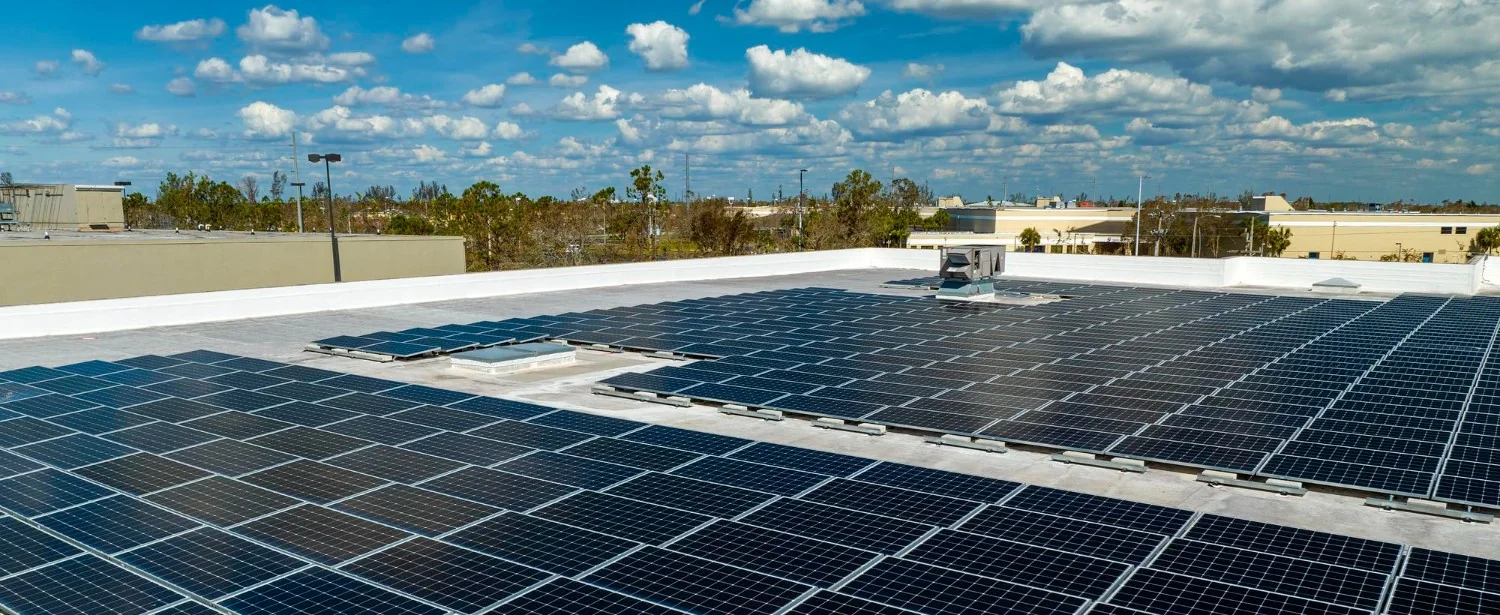
<ul><li><i>India’s rooftop solar capacity reached 30.7 GW in July 2026, increasing the need for better grid management and flexibility.</i></li><li><i>Kerala and Maharashtra are exploring battery ener…

• 𝘛𝘩𝘦 𝘌𝘐𝘉 𝘎𝘳𝘰𝘶𝘱 𝘱𝘭𝘢𝘯𝘴 𝘵𝘰 𝘱𝘳𝘰𝘷𝘪𝘥𝘦 𝘢𝘵 𝘭𝘦𝘢𝘴𝘵 €30 𝘣𝘪𝘭𝘭𝘪𝘰𝘯 𝘧𝘰𝘳 𝘤𝘭𝘪𝘮𝘢𝘵𝘦 𝘢𝘥𝘢𝘱𝘵𝘢𝘵𝘪𝘰𝘯 𝘣𝘦𝘵𝘸𝘦𝘦𝘯 2026 𝘢𝘯𝘥 2030. • 𝘛𝘩𝘦 𝘯𝘦𝘸 𝘵𝘢𝘳𝘨𝘦𝘵 𝘥𝘰𝘶𝘣𝘭𝘦𝘴 𝘢𝘥𝘢𝘱𝘵𝘢𝘵𝘪𝘰𝘯 𝘧𝘪𝘯𝘢𝘯𝘤𝘪𝘯𝘨 𝘤𝘰𝘮𝘱𝘢𝘳𝘦𝘥 𝘸𝘪𝘵𝘩 𝘵𝘩𝘦 𝘱𝘳𝘦𝘷𝘪𝘰𝘶𝘴 𝘧𝘪𝘷𝘦-𝘺𝘦𝘢𝘳 𝘱𝘦𝘳𝘪𝘰𝘥. • 𝘍𝘶𝘯𝘥𝘪𝘯𝘨…