

23 January 2026
India and the European Union have agreed to advance cooperation in the development of a sustainable transport ecosystem, reinforcing shared goals for greener mobility and reduced emissions. The announcement came during discussions in Davos, where India’s Civil Aviation Minister met the European Union Transport Commissioner to discuss joint priorities on sustainable transport innovation and regulatory alignment.
A key focus of the engagement is sustainable aviation fuel (SAF) and broader green aviation technologies, which are seen as essential to reducing the environmental impact of air travel. Both sides expressed interest in strengthening frameworks that support SAF uptake, including regulatory cooperation, technical alignment and joint working groups that can help accelerate certification and scale-up.
The discussions also explored deeper collaboration between European Union Aviation Safety Agency (EASA) and India’s Directorate General of Civil Aviation (DGCA) on areas such as joint certification, safety oversight, cyber security and emerging technologies like drones. Joint working groups and technology transfer programmes are expected to be established to support these areas, bolstering institutional cooperation and knowledge sharing.
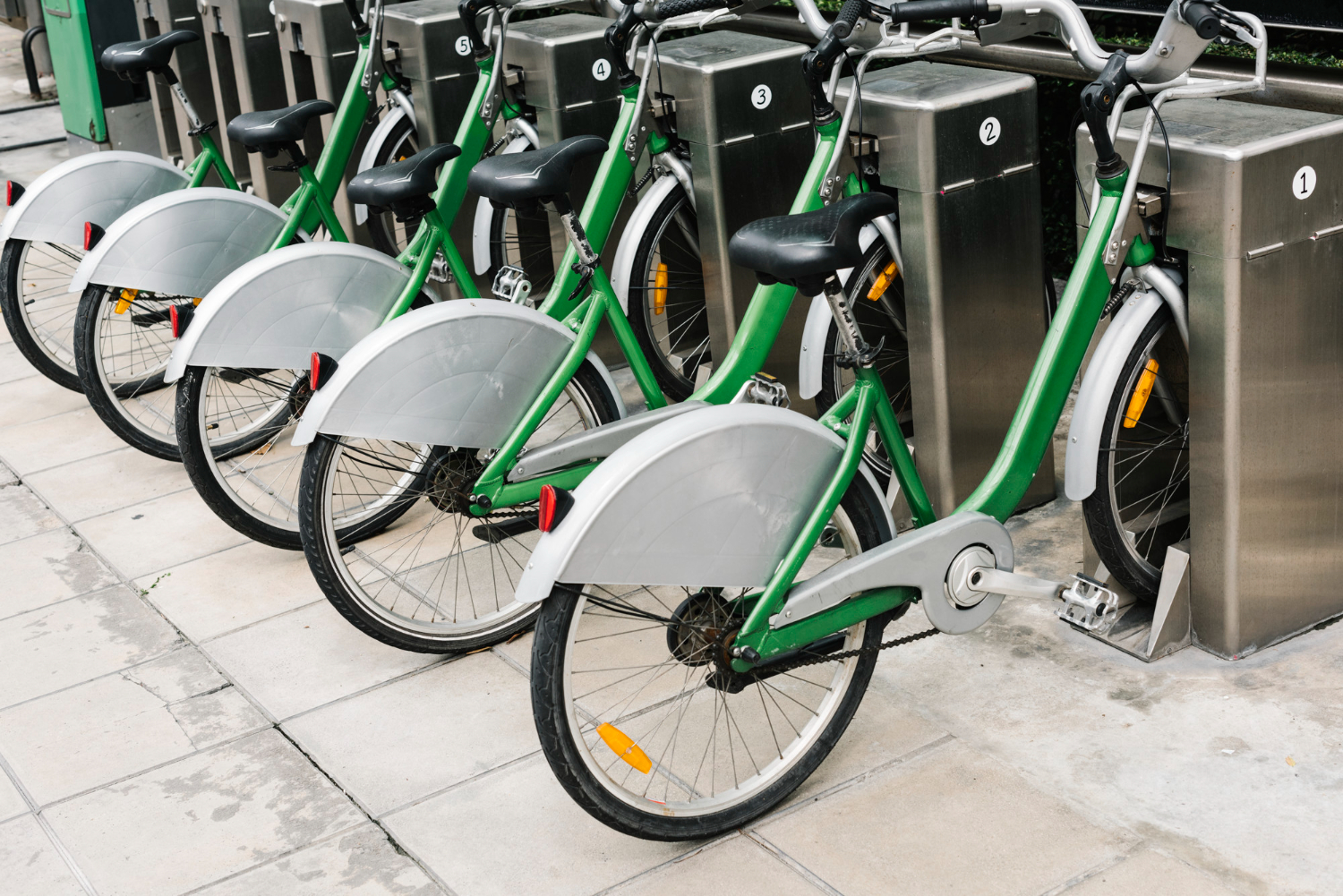
Officials on both sides highlighted that sustainable transport extends beyond aviation, noting the importance of environmentally friendly ground transport systems, electrification, and other low-emission mobility solutions. By building stronger ties in sustainability policy, technology and regulatory frameworks, India and the EU aim to support greener transport pathways that can contribute to their respective climate targets and long-term sustainability goals.
EU-India transport cooperation opens real opportunities across EV supply chains, sustainable aviation and green shipping, and it aligns Indian OEMs with European regulatory expectations well before any single rule bites. Our supply-chain-and-operations and market-intelligence teams help clients evaluate what these bilateral frameworks mean for capital allocation and cross-jurisdiction disclosure.

• 𝘛𝘩𝘦 𝘜𝘈𝘌 𝘍𝘰𝘰𝘥 𝘉𝘢𝘯𝘬 𝘢𝘯𝘥 𝘋𝘶𝘣𝘢𝘪’𝘴 𝘊𝘰𝘮𝘮𝘶𝘯𝘪𝘵𝘺 𝘋𝘦𝘷𝘦𝘭𝘰𝘱𝘮𝘦𝘯𝘵 𝘈𝘶𝘵𝘩𝘰𝘳𝘪𝘵𝘺 (𝘊𝘋𝘈) 𝘩𝘢𝘷𝘦 𝘴𝘪𝘨𝘯𝘦𝘥 𝘢𝘯 𝘢𝘨𝘳𝘦𝘦𝘮𝘦𝘯𝘵 𝘵𝘰 𝘤𝘰𝘭𝘭𝘦𝘤𝘵 𝘢𝘯𝘥 𝘳𝘦𝘥𝘪𝘴𝘵𝘳𝘪𝘣𝘶𝘵𝘦 𝘴𝘶𝘳𝘱𝘭𝘶𝘴 𝘧𝘰𝘰𝘥 𝘧𝘳𝘰𝘮 𝘸𝘦𝘥𝘥𝘪𝘯𝘨𝘴 𝘢𝘯𝘥 𝘦𝘷𝘦𝘯𝘵𝘴. • 𝘛𝘩𝘦 𝘪𝘯𝘪𝘵𝘪𝘢𝘵𝘪𝘷𝘦 𝘸𝘪𝘭𝘭 𝘧𝘰𝘭𝘭𝘰𝘸 𝘢𝘱𝘱𝘳𝘰𝘷𝘦𝘥…
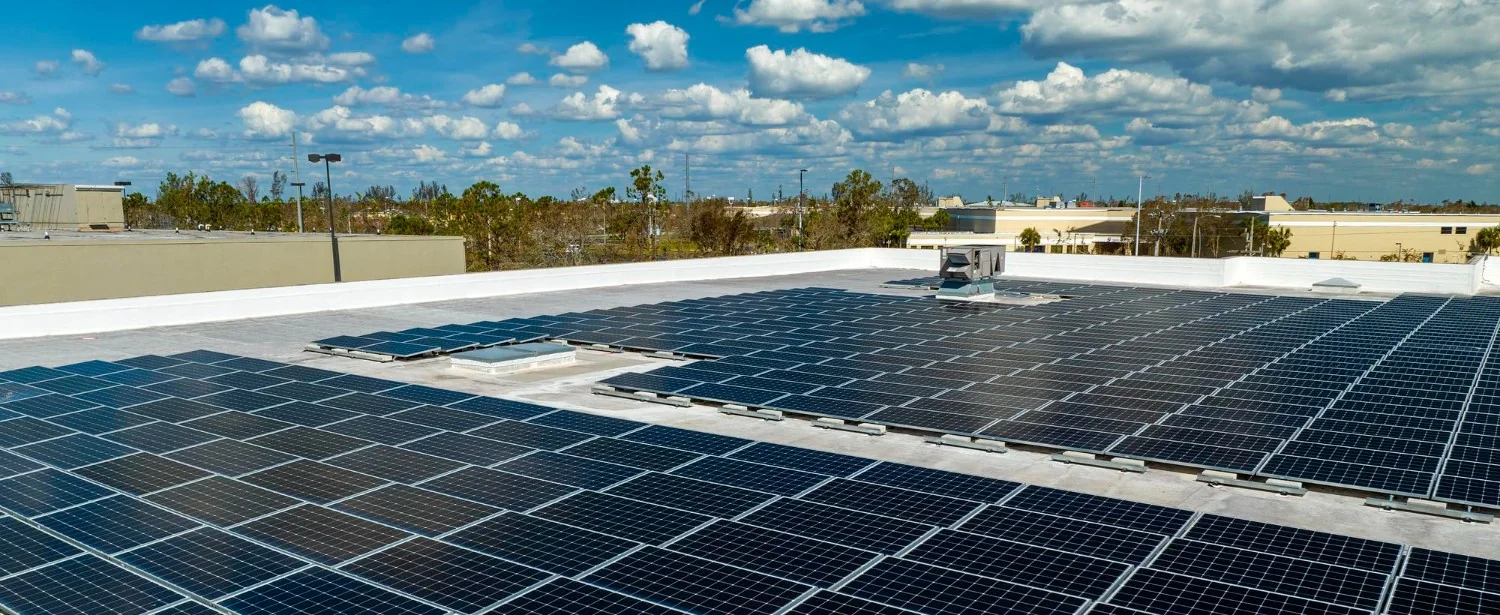
<ul><li><i>India’s rooftop solar capacity reached 30.7 GW in July 2026, increasing the need for better grid management and flexibility.</i></li><li><i>Kerala and Maharashtra are exploring battery ener…

• 𝘛𝘩𝘦 𝘌𝘐𝘉 𝘎𝘳𝘰𝘶𝘱 𝘱𝘭𝘢𝘯𝘴 𝘵𝘰 𝘱𝘳𝘰𝘷𝘪𝘥𝘦 𝘢𝘵 𝘭𝘦𝘢𝘴𝘵 €30 𝘣𝘪𝘭𝘭𝘪𝘰𝘯 𝘧𝘰𝘳 𝘤𝘭𝘪𝘮𝘢𝘵𝘦 𝘢𝘥𝘢𝘱𝘵𝘢𝘵𝘪𝘰𝘯 𝘣𝘦𝘵𝘸𝘦𝘦𝘯 2026 𝘢𝘯𝘥 2030. • 𝘛𝘩𝘦 𝘯𝘦𝘸 𝘵𝘢𝘳𝘨𝘦𝘵 𝘥𝘰𝘶𝘣𝘭𝘦𝘴 𝘢𝘥𝘢𝘱𝘵𝘢𝘵𝘪𝘰𝘯 𝘧𝘪𝘯𝘢𝘯𝘤𝘪𝘯𝘨 𝘤𝘰𝘮𝘱𝘢𝘳𝘦𝘥 𝘸𝘪𝘵𝘩 𝘵𝘩𝘦 𝘱𝘳𝘦𝘷𝘪𝘰𝘶𝘴 𝘧𝘪𝘷𝘦-𝘺𝘦𝘢𝘳 𝘱𝘦𝘳𝘪𝘰𝘥. • 𝘍𝘶𝘯𝘥𝘪𝘯𝘨…