


18 July 2025
The International Air Transport Association (IATA) strongly criticized the European Union’s sustainable aviation fuel (SAF) mandate, calling it an expensive policy with minimal environmental impact. At a media roundtable in Singapore, IATA Director-General Willie Walsh argued that transporting SAF from other regions to Europe only added to the fuel’s carbon footprint, undermining the intended climate benefits.
Walsh pointed out that despite the EU’s requirement for a 6% SAF blend by 2030 under ReFuelEU Aviation, actual SAF production remained very limited. IATA estimated that in 2025, SAF would account for just 0.7% of global airline fuel consumption, or about 2 million metric tons. He argued that mandating usage without ensuring supply created artificial scarcity, driving up costs without environmental returns.
According to IATA, fuel suppliers with SAF obligations were also inflating the prices of conventional jet fuel, resulting in higher operational costs for airlines. Walsh claimed the policy had effectively enabled monopoly pricing by a few suppliers, without contributing meaningfully to decarbonization goals.
He also raised concerns about the oversimplified narrative around palm oil as a SAF feedstock, emphasizing the need for a more nuanced and data-driven approach to assess sustainability. While Asia ramped up SAF production for export-especially from countries like Singapore-IATA called for the EU to re-evaluate its SAF targets and adopt more realistic strategies that actually support environmental outcomes.
The IATA-EU SAF dispute is a live example of what happens when climate mandate design outpaces supply-chain readiness - and airlines, fuel producers and financiers now have to plan across scenarios where the mandate holds, gets adjusted, or is enforced unevenly. Our energy-transition and market-intelligence teams help aviation-adjacent clients build scenario-based transition plans that stay credible either way.

• 𝘛𝘩𝘦 𝘜𝘈𝘌 𝘍𝘰𝘰𝘥 𝘉𝘢𝘯𝘬 𝘢𝘯𝘥 𝘋𝘶𝘣𝘢𝘪’𝘴 𝘊𝘰𝘮𝘮𝘶𝘯𝘪𝘵𝘺 𝘋𝘦𝘷𝘦𝘭𝘰𝘱𝘮𝘦𝘯𝘵 𝘈𝘶𝘵𝘩𝘰𝘳𝘪𝘵𝘺 (𝘊𝘋𝘈) 𝘩𝘢𝘷𝘦 𝘴𝘪𝘨𝘯𝘦𝘥 𝘢𝘯 𝘢𝘨𝘳𝘦𝘦𝘮𝘦𝘯𝘵 𝘵𝘰 𝘤𝘰𝘭𝘭𝘦𝘤𝘵 𝘢𝘯𝘥 𝘳𝘦𝘥𝘪𝘴𝘵𝘳𝘪𝘣𝘶𝘵𝘦 𝘴𝘶𝘳𝘱𝘭𝘶𝘴 𝘧𝘰𝘰𝘥 𝘧𝘳𝘰𝘮 𝘸𝘦𝘥𝘥𝘪𝘯𝘨𝘴 𝘢𝘯𝘥 𝘦𝘷𝘦𝘯𝘵𝘴. • 𝘛𝘩𝘦 𝘪𝘯𝘪𝘵𝘪𝘢𝘵𝘪𝘷𝘦 𝘸𝘪𝘭𝘭 𝘧𝘰𝘭𝘭𝘰𝘸 𝘢𝘱𝘱𝘳𝘰𝘷𝘦𝘥…
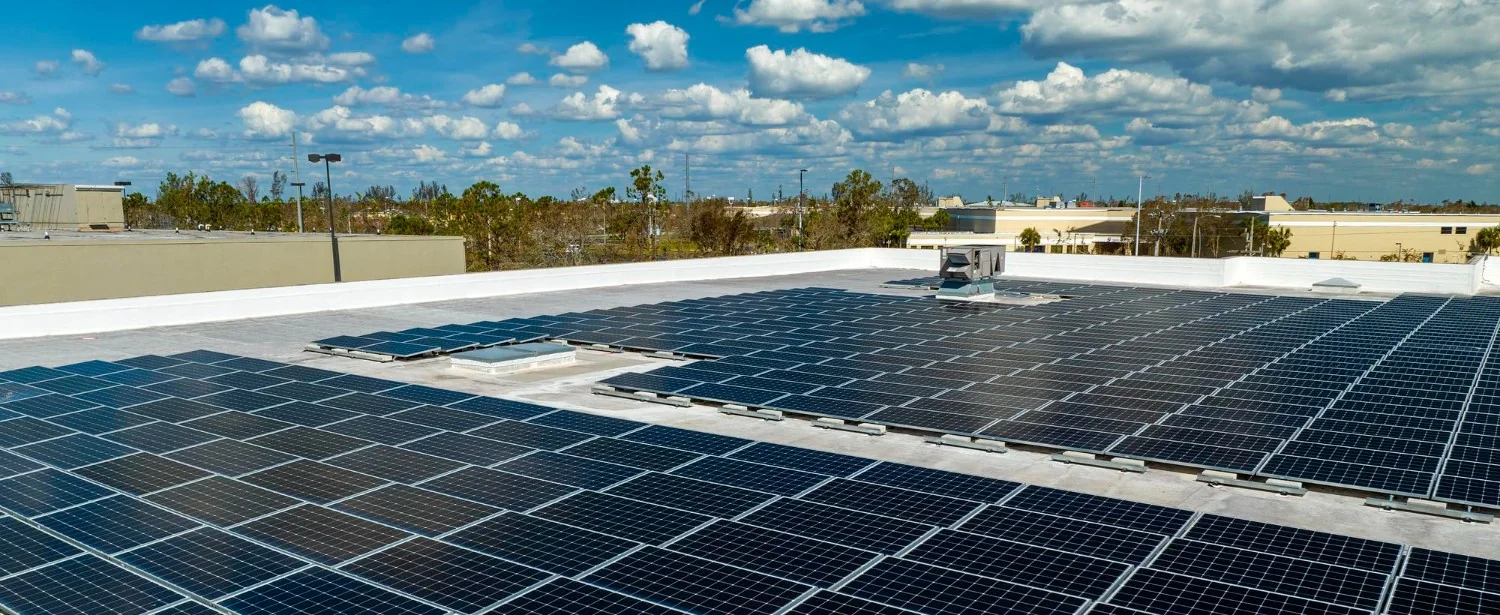
<ul><li><i>India’s rooftop solar capacity reached 30.7 GW in July 2026, increasing the need for better grid management and flexibility.</i></li><li><i>Kerala and Maharashtra are exploring battery ener…

• 𝘛𝘩𝘦 𝘌𝘐𝘉 𝘎𝘳𝘰𝘶𝘱 𝘱𝘭𝘢𝘯𝘴 𝘵𝘰 𝘱𝘳𝘰𝘷𝘪𝘥𝘦 𝘢𝘵 𝘭𝘦𝘢𝘴𝘵 €30 𝘣𝘪𝘭𝘭𝘪𝘰𝘯 𝘧𝘰𝘳 𝘤𝘭𝘪𝘮𝘢𝘵𝘦 𝘢𝘥𝘢𝘱𝘵𝘢𝘵𝘪𝘰𝘯 𝘣𝘦𝘵𝘸𝘦𝘦𝘯 2026 𝘢𝘯𝘥 2030. • 𝘛𝘩𝘦 𝘯𝘦𝘸 𝘵𝘢𝘳𝘨𝘦𝘵 𝘥𝘰𝘶𝘣𝘭𝘦𝘴 𝘢𝘥𝘢𝘱𝘵𝘢𝘵𝘪𝘰𝘯 𝘧𝘪𝘯𝘢𝘯𝘤𝘪𝘯𝘨 𝘤𝘰𝘮𝘱𝘢𝘳𝘦𝘥 𝘸𝘪𝘵𝘩 𝘵𝘩𝘦 𝘱𝘳𝘦𝘷𝘪𝘰𝘶𝘴 𝘧𝘪𝘷𝘦-𝘺𝘦𝘢𝘳 𝘱𝘦𝘳𝘪𝘰𝘥. • 𝘍𝘶𝘯𝘥𝘪𝘯𝘨…