

.jpg)
28 July 2025
The Gulf region has entered a transformative era in transportation with a surge in ambitious rail projects aimed at fostering regional integration and sustainable development. At the heart of this shift is the GCC Railway network, a 2,177-kilometre mega project, designed to seamlessly connect cities, ports, and economic zones across member nations.
David Franks, Managing Director of Keolis MHI, emphasized that these multi-billion-dollar investments are not only revolutionizing infrastructure but also setting new benchmarks for energy-efficient mobility.
Key initiatives such as the UAE’s Etihad Rail, the Hafeet Rail link with Oman, and Saudi Arabia’s Landbridge Project have been central to this momentum. The second phase of Etihad Rail, launched in February 2023, extended the network to 900 km for freight services, while the $3 billion Hafeet Rail aims to connect Abu Dhabi to Sohar.
Saudi Arabia’s Landbridge, covering nearly 1,100 km, is set to significantly enhance east-west freight capacity. In a landmark innovation, Saudi Arabia also conducted the Middle East’s first hydrogen-powered train trial in 2024, signaling a strong pivot towards clean energy solutions.
The regional rail expansion has been heavily driven by advanced technologies including AI-powered predictive maintenance, real-time passenger updates, and smart ticketing systems. Franks noted that these tech-enabled features are enhancing operational efficiency and elevating passenger experience across the network.
Keolis MHI, with its extensive international experience, has been at the forefront of this evolution, contributing to local talent development and supporting Emiratisation initiatives.
Keolis MHI has also played a key role in thought leadership and collaboration, participating in Middle East Rail 2025 and hosting its annual Sustainability Week earlier this year. The company’s proactive approach in aligning with national strategies like the UAE’s 2031 Vision and Dubai Clean Energy Strategy 2050 has further reinforced its commitment to shaping modern, inclusive, and environmentally conscious transport ecosystems across the Gulf.
Gulf rail investment reshapes long-term regional mobility and freight economics, and it starts to change Scope 3 disclosure for corporates whose supply chains or workforce depend on GCC transit. Our climate-action and impact-assessment teams help clients read what rail expansion means for their mobility-emissions accounting and logistics planning.

• 𝘛𝘩𝘦 𝘜𝘈𝘌 𝘍𝘰𝘰𝘥 𝘉𝘢𝘯𝘬 𝘢𝘯𝘥 𝘋𝘶𝘣𝘢𝘪’𝘴 𝘊𝘰𝘮𝘮𝘶𝘯𝘪𝘵𝘺 𝘋𝘦𝘷𝘦𝘭𝘰𝘱𝘮𝘦𝘯𝘵 𝘈𝘶𝘵𝘩𝘰𝘳𝘪𝘵𝘺 (𝘊𝘋𝘈) 𝘩𝘢𝘷𝘦 𝘴𝘪𝘨𝘯𝘦𝘥 𝘢𝘯 𝘢𝘨𝘳𝘦𝘦𝘮𝘦𝘯𝘵 𝘵𝘰 𝘤𝘰𝘭𝘭𝘦𝘤𝘵 𝘢𝘯𝘥 𝘳𝘦𝘥𝘪𝘴𝘵𝘳𝘪𝘣𝘶𝘵𝘦 𝘴𝘶𝘳𝘱𝘭𝘶𝘴 𝘧𝘰𝘰𝘥 𝘧𝘳𝘰𝘮 𝘸𝘦𝘥𝘥𝘪𝘯𝘨𝘴 𝘢𝘯𝘥 𝘦𝘷𝘦𝘯𝘵𝘴. • 𝘛𝘩𝘦 𝘪𝘯𝘪𝘵𝘪𝘢𝘵𝘪𝘷𝘦 𝘸𝘪𝘭𝘭 𝘧𝘰𝘭𝘭𝘰𝘸 𝘢𝘱𝘱𝘳𝘰𝘷𝘦𝘥…
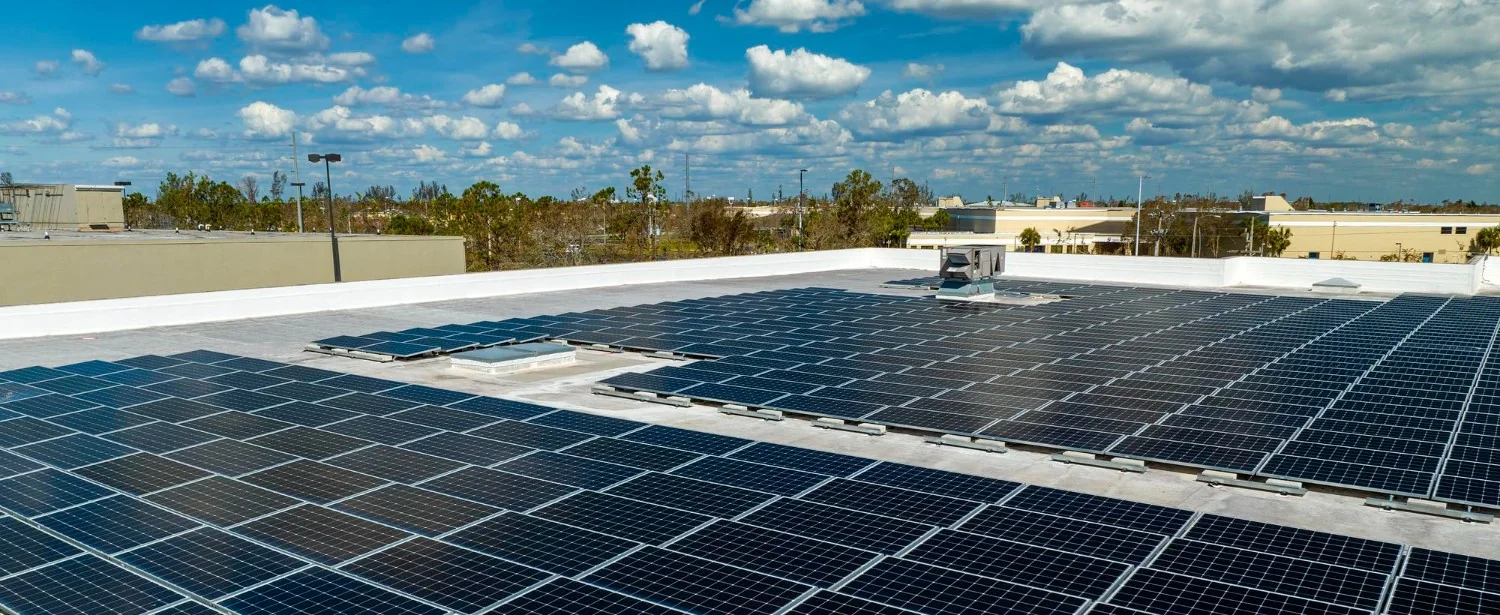
<ul><li><i>India’s rooftop solar capacity reached 30.7 GW in July 2026, increasing the need for better grid management and flexibility.</i></li><li><i>Kerala and Maharashtra are exploring battery ener…
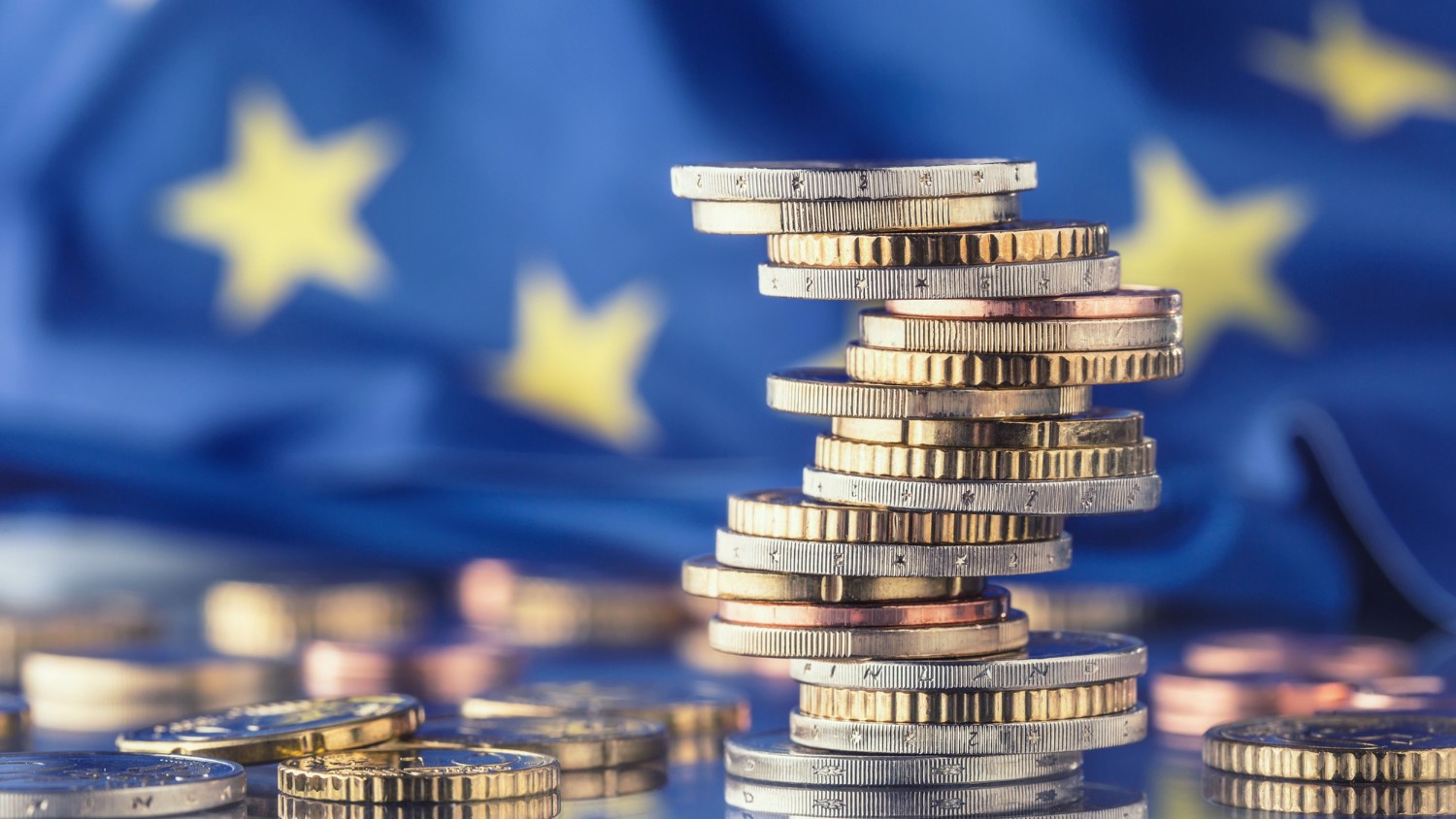
• 𝘛𝘩𝘦 𝘌𝘐𝘉 𝘎𝘳𝘰𝘶𝘱 𝘱𝘭𝘢𝘯𝘴 𝘵𝘰 𝘱𝘳𝘰𝘷𝘪𝘥𝘦 𝘢𝘵 𝘭𝘦𝘢𝘴𝘵 €30 𝘣𝘪𝘭𝘭𝘪𝘰𝘯 𝘧𝘰𝘳 𝘤𝘭𝘪𝘮𝘢𝘵𝘦 𝘢𝘥𝘢𝘱𝘵𝘢𝘵𝘪𝘰𝘯 𝘣𝘦𝘵𝘸𝘦𝘦𝘯 2026 𝘢𝘯𝘥 2030. • 𝘛𝘩𝘦 𝘯𝘦𝘸 𝘵𝘢𝘳𝘨𝘦𝘵 𝘥𝘰𝘶𝘣𝘭𝘦𝘴 𝘢𝘥𝘢𝘱𝘵𝘢𝘵𝘪𝘰𝘯 𝘧𝘪𝘯𝘢𝘯𝘤𝘪𝘯𝘨 𝘤𝘰𝘮𝘱𝘢𝘳𝘦𝘥 𝘸𝘪𝘵𝘩 𝘵𝘩𝘦 𝘱𝘳𝘦𝘷𝘪𝘰𝘶𝘴 𝘧𝘪𝘷𝘦-𝘺𝘦𝘢𝘳 𝘱𝘦𝘳𝘪𝘰𝘥. • 𝘍𝘶𝘯𝘥𝘪𝘯𝘨…