


24 March 2026
The Delhi government has presented its 2026–27 “Green Budget”, marking a significant step toward integrating sustainability into public policy and spending. A key highlight of the budget is that 21% of the total allocation has been earmarked for environmental initiatives, signalling a structured approach to addressing climate and urban environmental challenges.
The budget places strong emphasis on pollution control measures, aiming to tackle persistent air quality issues through targeted interventions and improved environmental management. It also focuses on sustainable transport systems, promoting cleaner mobility solutions as part of efforts to reduce emissions and improve urban livability.
In addition, the government has prioritised climate resilience, with investments directed toward strengthening infrastructure and systems that can better withstand environmental stress, including extreme weather conditions. Water management and urban infrastructure improvements also form part of the broader sustainability push, aligning with long-term environmental goals.
Overall, the Green Budget reflects a shift from isolated environmental projects to a more integrated governance model, where sustainability is embedded across sectors. This approach highlights Delhi’s intent to balance development needs with environmental responsibility while advancing long-term climate and sustainability objectives.
Delhi's 21 percent Green Budget allocation moves environmental spending from marginal add-on to structural priority. The combination of pollution control, sustainable transport, climate resilience and urban infrastructure spending addresses interlinked urban-sustainability challenges rather than siloed environmental interventions.
The pollution-control dimension is particularly consequential given Delhi's persistent air-quality challenges. Well-designed integrated interventions - vehicular emissions plus construction dust plus stubble-burning plus industrial emissions - deliver measurable outcomes; fragmented single-sector interventions historically have not.
For infrastructure developers, technology providers, financial institutions and consultancies supporting Delhi's Green Budget delivery, Cognitud's climate action, impact assessment and market intelligence teams help clients evaluate Green-Budget-linked opportunities, structure long-term commercial arrangements aligned with pollution-control-and-resilience priorities, and prepare disclosures aligned with BRSR, ISSB and jurisdictional urban-sustainability frameworks.

• 𝘛𝘩𝘦 𝘜𝘈𝘌 𝘍𝘰𝘰𝘥 𝘉𝘢𝘯𝘬 𝘢𝘯𝘥 𝘋𝘶𝘣𝘢𝘪’𝘴 𝘊𝘰𝘮𝘮𝘶𝘯𝘪𝘵𝘺 𝘋𝘦𝘷𝘦𝘭𝘰𝘱𝘮𝘦𝘯𝘵 𝘈𝘶𝘵𝘩𝘰𝘳𝘪𝘵𝘺 (𝘊𝘋𝘈) 𝘩𝘢𝘷𝘦 𝘴𝘪𝘨𝘯𝘦𝘥 𝘢𝘯 𝘢𝘨𝘳𝘦𝘦𝘮𝘦𝘯𝘵 𝘵𝘰 𝘤𝘰𝘭𝘭𝘦𝘤𝘵 𝘢𝘯𝘥 𝘳𝘦𝘥𝘪𝘴𝘵𝘳𝘪𝘣𝘶𝘵𝘦 𝘴𝘶𝘳𝘱𝘭𝘶𝘴 𝘧𝘰𝘰𝘥 𝘧𝘳𝘰𝘮 𝘸𝘦𝘥𝘥𝘪𝘯𝘨𝘴 𝘢𝘯𝘥 𝘦𝘷𝘦𝘯𝘵𝘴. • 𝘛𝘩𝘦 𝘪𝘯𝘪𝘵𝘪𝘢𝘵𝘪𝘷𝘦 𝘸𝘪𝘭𝘭 𝘧𝘰𝘭𝘭𝘰𝘸 𝘢𝘱𝘱𝘳𝘰𝘷𝘦𝘥…
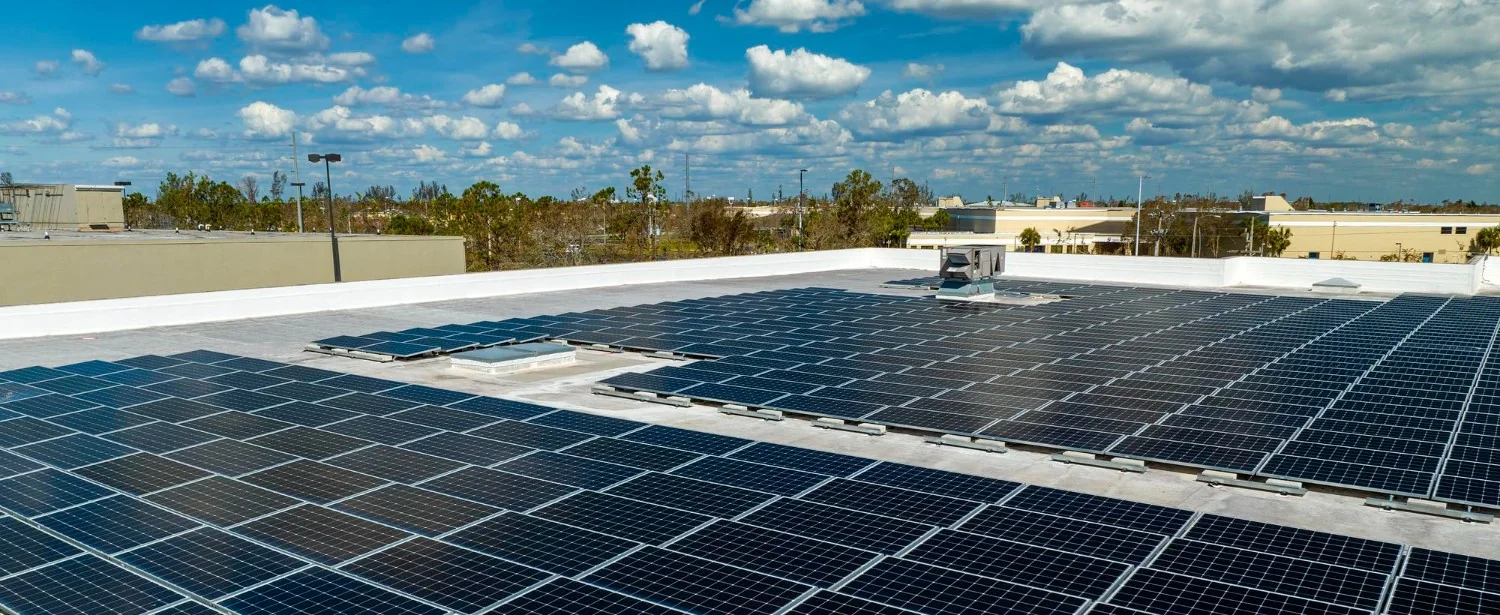
<ul><li><i>India’s rooftop solar capacity reached 30.7 GW in July 2026, increasing the need for better grid management and flexibility.</i></li><li><i>Kerala and Maharashtra are exploring battery ener…

• 𝘛𝘩𝘦 𝘌𝘐𝘉 𝘎𝘳𝘰𝘶𝘱 𝘱𝘭𝘢𝘯𝘴 𝘵𝘰 𝘱𝘳𝘰𝘷𝘪𝘥𝘦 𝘢𝘵 𝘭𝘦𝘢𝘴𝘵 €30 𝘣𝘪𝘭𝘭𝘪𝘰𝘯 𝘧𝘰𝘳 𝘤𝘭𝘪𝘮𝘢𝘵𝘦 𝘢𝘥𝘢𝘱𝘵𝘢𝘵𝘪𝘰𝘯 𝘣𝘦𝘵𝘸𝘦𝘦𝘯 2026 𝘢𝘯𝘥 2030. • 𝘛𝘩𝘦 𝘯𝘦𝘸 𝘵𝘢𝘳𝘨𝘦𝘵 𝘥𝘰𝘶𝘣𝘭𝘦𝘴 𝘢𝘥𝘢𝘱𝘵𝘢𝘵𝘪𝘰𝘯 𝘧𝘪𝘯𝘢𝘯𝘤𝘪𝘯𝘨 𝘤𝘰𝘮𝘱𝘢𝘳𝘦𝘥 𝘸𝘪𝘵𝘩 𝘵𝘩𝘦 𝘱𝘳𝘦𝘷𝘪𝘰𝘶𝘴 𝘧𝘪𝘷𝘦-𝘺𝘦𝘢𝘳 𝘱𝘦𝘳𝘪𝘰𝘥. • 𝘍𝘶𝘯𝘥𝘪𝘯𝘨…