


05 January 2026
The Ministry of Road Transport and Highways (MoRTH) has proposed a landmark initiative to assign a unique Aadhaar-like identification number, called the Battery Pack Aadhaar Number (BPAN), to every electric vehicle (EV) battery in India. This step is aimed at ensuring end-to-end traceability of batteries and improving the efficiency of recycling practices across the EV ecosystem.
Under the draft guidelines, battery producers or importers must assign a 21-character BPAN to each battery they introduce into the market, including batteries used for self-consumption. They are also required to upload dynamic data about the battery to an official BPAN portal, ensuring comprehensive tracking throughout the battery's lifecycle. The BPAN must be placed in a clearly visible and durable location on the battery to prevent damage or loss.
The system is designed to capture critical information from raw material extraction and manufacturing through to usage, recycling, or final disposal. If a battery is recycled or repurposed, a new BPAN must be issued by the same or a new producer/importer, maintaining transparency and accountability.
MoRTH highlighted that this initiative will enhance sustainability and regulatory compliance, facilitate second-life usage of batteries, and ensure efficient recycling. Currently, EV batteries account for 80–90% of India’s lithium-ion battery demand, and the BPAN framework is expected to cover industrial batteries above 2 kWh as well, extending beyond automotive applications.
This policy represents a significant step toward structured management of battery lifecycle data, supporting India’s push for a sustainable and robust EV ecosystem.
Battery digital-passport-style traceability aligns with what the EU Battery Regulation already requires, and it becomes table stakes for battery manufacturers wanting export access to European markets. Our supply-chain-and-operations and circular-economy teams help EV, battery and recycling clients build the traceability and circularity infrastructure these rules increasingly require.

• 𝘛𝘩𝘦 𝘜𝘈𝘌 𝘍𝘰𝘰𝘥 𝘉𝘢𝘯𝘬 𝘢𝘯𝘥 𝘋𝘶𝘣𝘢𝘪’𝘴 𝘊𝘰𝘮𝘮𝘶𝘯𝘪𝘵𝘺 𝘋𝘦𝘷𝘦𝘭𝘰𝘱𝘮𝘦𝘯𝘵 𝘈𝘶𝘵𝘩𝘰𝘳𝘪𝘵𝘺 (𝘊𝘋𝘈) 𝘩𝘢𝘷𝘦 𝘴𝘪𝘨𝘯𝘦𝘥 𝘢𝘯 𝘢𝘨𝘳𝘦𝘦𝘮𝘦𝘯𝘵 𝘵𝘰 𝘤𝘰𝘭𝘭𝘦𝘤𝘵 𝘢𝘯𝘥 𝘳𝘦𝘥𝘪𝘴𝘵𝘳𝘪𝘣𝘶𝘵𝘦 𝘴𝘶𝘳𝘱𝘭𝘶𝘴 𝘧𝘰𝘰𝘥 𝘧𝘳𝘰𝘮 𝘸𝘦𝘥𝘥𝘪𝘯𝘨𝘴 𝘢𝘯𝘥 𝘦𝘷𝘦𝘯𝘵𝘴. • 𝘛𝘩𝘦 𝘪𝘯𝘪𝘵𝘪𝘢𝘵𝘪𝘷𝘦 𝘸𝘪𝘭𝘭 𝘧𝘰𝘭𝘭𝘰𝘸 𝘢𝘱𝘱𝘳𝘰𝘷𝘦𝘥…
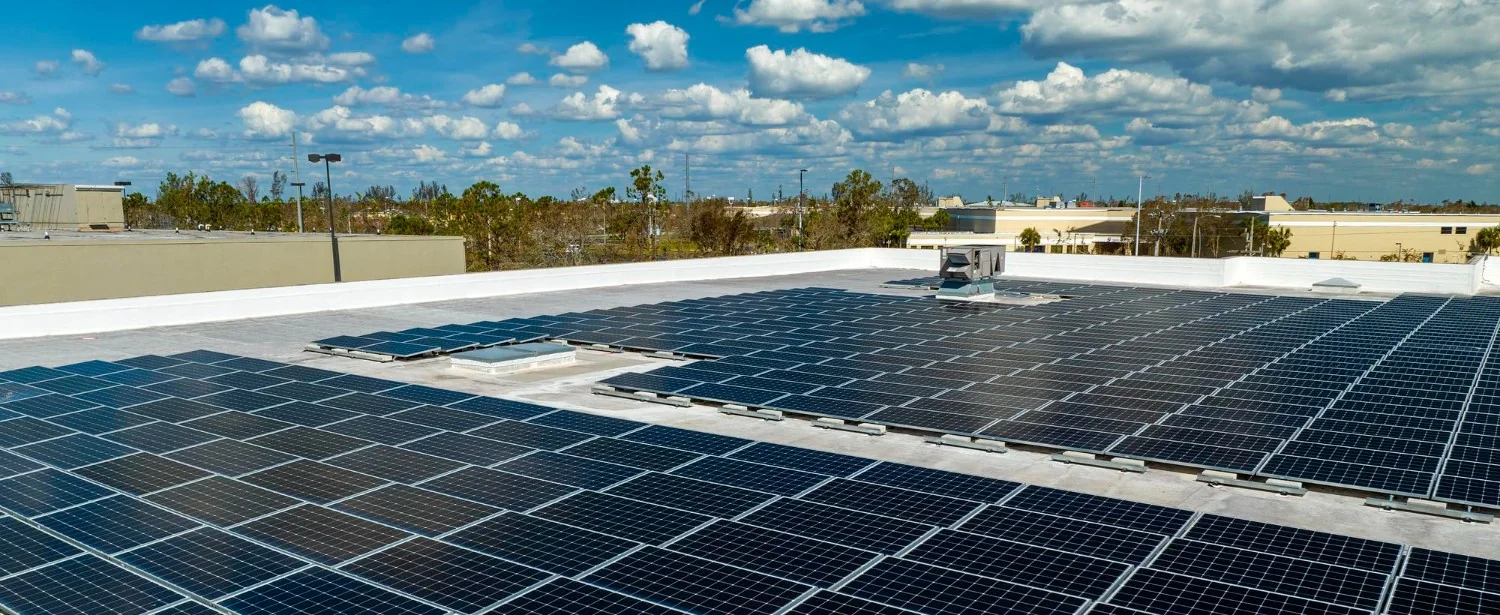
<ul><li><i>India’s rooftop solar capacity reached 30.7 GW in July 2026, increasing the need for better grid management and flexibility.</i></li><li><i>Kerala and Maharashtra are exploring battery ener…

• 𝘛𝘩𝘦 𝘌𝘐𝘉 𝘎𝘳𝘰𝘶𝘱 𝘱𝘭𝘢𝘯𝘴 𝘵𝘰 𝘱𝘳𝘰𝘷𝘪𝘥𝘦 𝘢𝘵 𝘭𝘦𝘢𝘴𝘵 €30 𝘣𝘪𝘭𝘭𝘪𝘰𝘯 𝘧𝘰𝘳 𝘤𝘭𝘪𝘮𝘢𝘵𝘦 𝘢𝘥𝘢𝘱𝘵𝘢𝘵𝘪𝘰𝘯 𝘣𝘦𝘵𝘸𝘦𝘦𝘯 2026 𝘢𝘯𝘥 2030. • 𝘛𝘩𝘦 𝘯𝘦𝘸 𝘵𝘢𝘳𝘨𝘦𝘵 𝘥𝘰𝘶𝘣𝘭𝘦𝘴 𝘢𝘥𝘢𝘱𝘵𝘢𝘵𝘪𝘰𝘯 𝘧𝘪𝘯𝘢𝘯𝘤𝘪𝘯𝘨 𝘤𝘰𝘮𝘱𝘢𝘳𝘦𝘥 𝘸𝘪𝘵𝘩 𝘵𝘩𝘦 𝘱𝘳𝘦𝘷𝘪𝘰𝘶𝘴 𝘧𝘪𝘷𝘦-𝘺𝘦𝘢𝘳 𝘱𝘦𝘳𝘪𝘰𝘥. • 𝘍𝘶𝘯𝘥𝘪𝘯𝘨…