


13 November 2025
A worldwide surge in renewable energy adoption is reshaping energy dependencies, with more than 100 countries reducing their reliance on imported fossil fuels, according to new International Energy Agency (IEA) data. India has emerged as the world’s second-largest renewable energy market, crossing a major milestone-over half of its installed electricity capacity now comes from non-fossil sources, years ahead of its 2030 target.
Between now and 2030, India is projected to add about 345 GW of renewable capacity, tripling its 2022 level. The country has already awarded over 50 GW of renewable projects since 2021-roughly 80% of the global total issued in that period. This rapid expansion underscores India’s growing influence in the global clean energy landscape.
The IEA notes that the rise of cheaper renewables will help countries like India cut fossil-fuel import costs, reduce trade deficits, and enhance energy security. Strong policy support, falling technology costs, and rising private investments have been key drivers of India’s clean energy growth.
However, challenges remain. India must overcome grid constraints, limited storage capacity, and coal’s dominance in power generation. The ongoing COP30 summit in Brazil is expected to push for stronger global cooperation and financing frameworks to help emerging economies translate renewable growth into reduced fossil fuel dependency.
The IEA data narrative - 100+ countries reducing imported fossil-fuel dependence combined with India's crossing of the non-fossil-majority capacity threshold - captures a genuine inflection point in global energy architecture. India's projected 345 GW addition between now and 2030 (roughly tripling 2022 capacity) plus its 80 percent share of global auction volume since 2021 makes it the anchor of the emerging-market clean-energy story.
The unresolved constraints are equally consequential. Grid capacity, storage integration, and coal displacement are the three variables that determine whether renewable capacity translates into renewable generation share. COP30 outcomes around financing frameworks for emerging economies will shape how quickly these constraints get addressed.
For developers, financial institutions, off-takers and technology providers active in Indian and global renewable investment, Cognitud's energy transition, responsible investment and market intelligence teams help clients evaluate opportunities under the accelerated deployment framework, structure long-term commercial arrangements aligned with grid and storage integration priorities, and prepare disclosures aligned with BRSR, ISSB and jurisdictional renewable-industry frameworks that increasingly determine competitive positioning across international clean-energy value chains.

• 𝘛𝘩𝘦 𝘜𝘈𝘌 𝘍𝘰𝘰𝘥 𝘉𝘢𝘯𝘬 𝘢𝘯𝘥 𝘋𝘶𝘣𝘢𝘪’𝘴 𝘊𝘰𝘮𝘮𝘶𝘯𝘪𝘵𝘺 𝘋𝘦𝘷𝘦𝘭𝘰𝘱𝘮𝘦𝘯𝘵 𝘈𝘶𝘵𝘩𝘰𝘳𝘪𝘵𝘺 (𝘊𝘋𝘈) 𝘩𝘢𝘷𝘦 𝘴𝘪𝘨𝘯𝘦𝘥 𝘢𝘯 𝘢𝘨𝘳𝘦𝘦𝘮𝘦𝘯𝘵 𝘵𝘰 𝘤𝘰𝘭𝘭𝘦𝘤𝘵 𝘢𝘯𝘥 𝘳𝘦𝘥𝘪𝘴𝘵𝘳𝘪𝘣𝘶𝘵𝘦 𝘴𝘶𝘳𝘱𝘭𝘶𝘴 𝘧𝘰𝘰𝘥 𝘧𝘳𝘰𝘮 𝘸𝘦𝘥𝘥𝘪𝘯𝘨𝘴 𝘢𝘯𝘥 𝘦𝘷𝘦𝘯𝘵𝘴. • 𝘛𝘩𝘦 𝘪𝘯𝘪𝘵𝘪𝘢𝘵𝘪𝘷𝘦 𝘸𝘪𝘭𝘭 𝘧𝘰𝘭𝘭𝘰𝘸 𝘢𝘱𝘱𝘳𝘰𝘷𝘦𝘥…
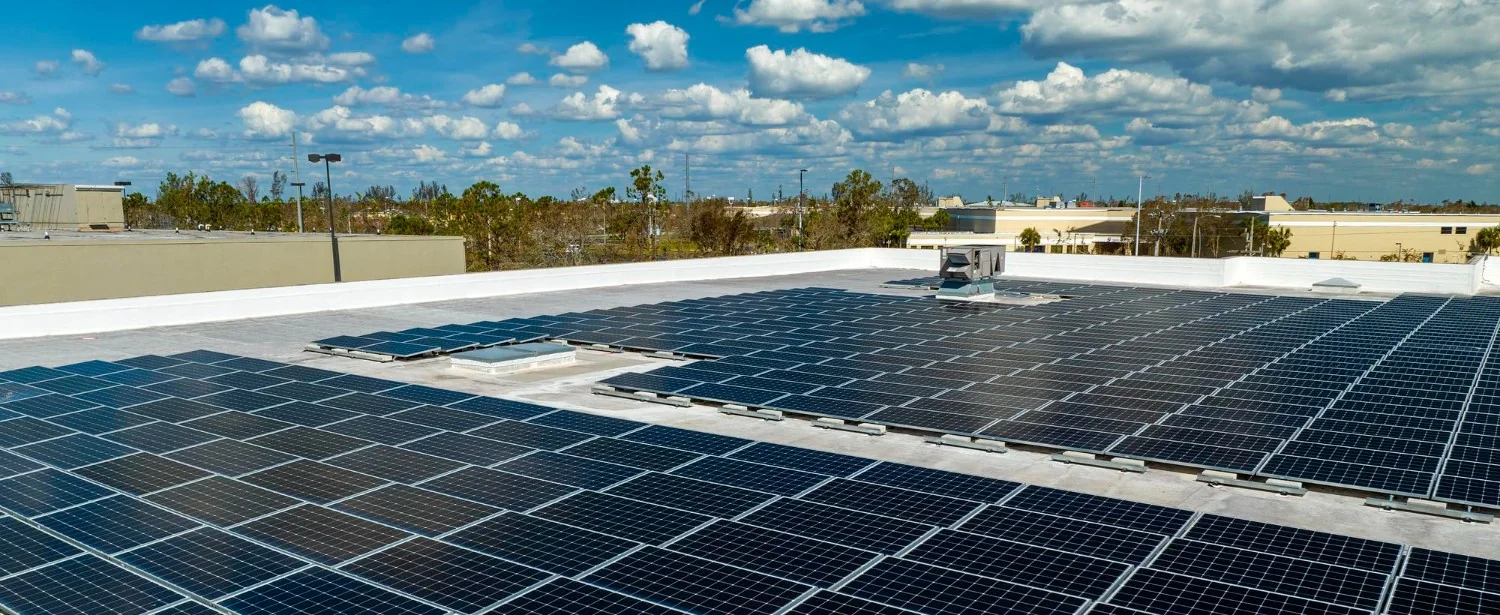
<ul><li><i>India’s rooftop solar capacity reached 30.7 GW in July 2026, increasing the need for better grid management and flexibility.</i></li><li><i>Kerala and Maharashtra are exploring battery ener…

• 𝘛𝘩𝘦 𝘌𝘐𝘉 𝘎𝘳𝘰𝘶𝘱 𝘱𝘭𝘢𝘯𝘴 𝘵𝘰 𝘱𝘳𝘰𝘷𝘪𝘥𝘦 𝘢𝘵 𝘭𝘦𝘢𝘴𝘵 €30 𝘣𝘪𝘭𝘭𝘪𝘰𝘯 𝘧𝘰𝘳 𝘤𝘭𝘪𝘮𝘢𝘵𝘦 𝘢𝘥𝘢𝘱𝘵𝘢𝘵𝘪𝘰𝘯 𝘣𝘦𝘵𝘸𝘦𝘦𝘯 2026 𝘢𝘯𝘥 2030. • 𝘛𝘩𝘦 𝘯𝘦𝘸 𝘵𝘢𝘳𝘨𝘦𝘵 𝘥𝘰𝘶𝘣𝘭𝘦𝘴 𝘢𝘥𝘢𝘱𝘵𝘢𝘵𝘪𝘰𝘯 𝘧𝘪𝘯𝘢𝘯𝘤𝘪𝘯𝘨 𝘤𝘰𝘮𝘱𝘢𝘳𝘦𝘥 𝘸𝘪𝘵𝘩 𝘵𝘩𝘦 𝘱𝘳𝘦𝘷𝘪𝘰𝘶𝘴 𝘧𝘪𝘷𝘦-𝘺𝘦𝘢𝘳 𝘱𝘦𝘳𝘪𝘰𝘥. • 𝘍𝘶𝘯𝘥𝘪𝘯𝘨…