

.jpg)
05 August 2025
Hopes for a strong, legally binding global treaty to curb plastic pollution are fading as negotiators convene in Geneva this week for what was intended to be the final round of talks. Efforts led by the European Union and small island nations to cap virgin plastic production, largely derived from fossil fuels, are facing fierce resistance from major petrochemical-producing countries and the U.S. administration of President Donald Trump.
The stakes are high. Without intervention, plastic production is projected to triple by 2060, exacerbating climate change, harming marine ecosystems, and posing serious health risks, according to the OECD.
“This is really our last best chance,” warned Ilana Seid, chair of the Alliance of Small Island States (AOSIS), stressing the disproportionate burden plastic pollution places on vulnerable nations. These island states are grappling with severe environmental and economic consequences, especially in tourism and fisheries.
The sixth official round of negotiations follows a stalled session in South Korea last year. Contentious issues include capping plastic production, regulating hazardous chemicals, and establishing financial support for developing nations. However, oil-rich countries such as Saudi Arabia and Russia are reportedly opposing these measures, instead advocating for voluntary, national-level policies that many fear would dilute the treaty’s effectiveness.
Adding to the challenge, the Trump administration supports a treaty focused only on downstream solutions, like recycling and waste management, rather than tackling the root cause: production. A State Department spokesperson said the U.S. backs an agreement that avoids “burdensome restrictions” on domestic producers.
Climate advocates and legal experts have expressed concern over the growing politicization of scientific facts around plastic toxicity. “We are in a moment of revisionism,” said Andres Del Castillo of the Center for International Environmental Law.
Industry influence also looms large. Over 1,000 delegates, including petrochemical lobbyists, are attending the talks. While the industry claims to support the treaty, it advocates for advanced recycling technologies over production caps. Nestlé and other corporations back globally harmonized rules, calling them more cost-effective for packaging reform.
Meanwhile, U.S. lawmakers are split. Senate Democrats are calling for strong production caps, while House Republicans are pushing for an expansion of recycling tech. With two-thirds Senate approval needed for ratification, the outcome remains uncertain.
UNEP head Inger Andersen emphasized the need for consensus: “You would want something that is effective, that has everybody inside, and therefore everybody committed to it.” Yet with deep divisions, a weakened treaty or a breakaway agreement among ambitious nations is increasingly being considered.
Plastic-production caps failing at treaty level shifts the compliance weight onto national frameworks and downstream EPR - which for consumer-goods and packaging brands means the pressure keeps rising even without a global deal. Our circular-economy and sustainability-due-diligence teams help clients read what these treaty dynamics mean for their circular-economy strategy and disclosure.

• 𝘛𝘩𝘦 𝘜𝘈𝘌 𝘍𝘰𝘰𝘥 𝘉𝘢𝘯𝘬 𝘢𝘯𝘥 𝘋𝘶𝘣𝘢𝘪’𝘴 𝘊𝘰𝘮𝘮𝘶𝘯𝘪𝘵𝘺 𝘋𝘦𝘷𝘦𝘭𝘰𝘱𝘮𝘦𝘯𝘵 𝘈𝘶𝘵𝘩𝘰𝘳𝘪𝘵𝘺 (𝘊𝘋𝘈) 𝘩𝘢𝘷𝘦 𝘴𝘪𝘨𝘯𝘦𝘥 𝘢𝘯 𝘢𝘨𝘳𝘦𝘦𝘮𝘦𝘯𝘵 𝘵𝘰 𝘤𝘰𝘭𝘭𝘦𝘤𝘵 𝘢𝘯𝘥 𝘳𝘦𝘥𝘪𝘴𝘵𝘳𝘪𝘣𝘶𝘵𝘦 𝘴𝘶𝘳𝘱𝘭𝘶𝘴 𝘧𝘰𝘰𝘥 𝘧𝘳𝘰𝘮 𝘸𝘦𝘥𝘥𝘪𝘯𝘨𝘴 𝘢𝘯𝘥 𝘦𝘷𝘦𝘯𝘵𝘴. • 𝘛𝘩𝘦 𝘪𝘯𝘪𝘵𝘪𝘢𝘵𝘪𝘷𝘦 𝘸𝘪𝘭𝘭 𝘧𝘰𝘭𝘭𝘰𝘸 𝘢𝘱𝘱𝘳𝘰𝘷𝘦𝘥…
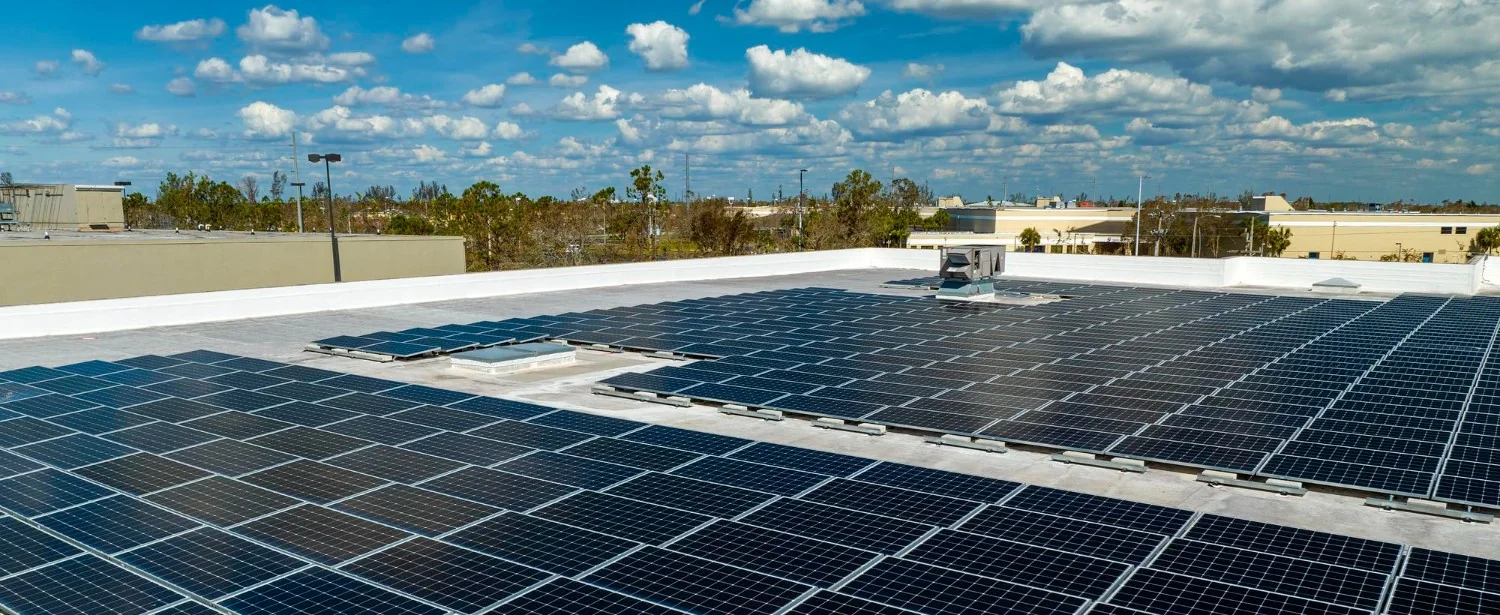
<ul><li><i>India’s rooftop solar capacity reached 30.7 GW in July 2026, increasing the need for better grid management and flexibility.</i></li><li><i>Kerala and Maharashtra are exploring battery ener…
• 𝘛𝘩𝘦 𝘌𝘐𝘉 𝘎𝘳𝘰𝘶𝘱 𝘱𝘭𝘢𝘯𝘴 𝘵𝘰 𝘱𝘳𝘰𝘷𝘪𝘥𝘦 𝘢𝘵 𝘭𝘦𝘢𝘴𝘵 €30 𝘣𝘪𝘭𝘭𝘪𝘰𝘯 𝘧𝘰𝘳 𝘤𝘭𝘪𝘮𝘢𝘵𝘦 𝘢𝘥𝘢𝘱𝘵𝘢𝘵𝘪𝘰𝘯 𝘣𝘦𝘵𝘸𝘦𝘦𝘯 2026 𝘢𝘯𝘥 2030. • 𝘛𝘩𝘦 𝘯𝘦𝘸 𝘵𝘢𝘳𝘨𝘦𝘵 𝘥𝘰𝘶𝘣𝘭𝘦𝘴 𝘢𝘥𝘢𝘱𝘵𝘢𝘵𝘪𝘰𝘯 𝘧𝘪𝘯𝘢𝘯𝘤𝘪𝘯𝘨 𝘤𝘰𝘮𝘱𝘢𝘳𝘦𝘥 𝘸𝘪𝘵𝘩 𝘵𝘩𝘦 𝘱𝘳𝘦𝘷𝘪𝘰𝘶𝘴 𝘧𝘪𝘷𝘦-𝘺𝘦𝘢𝘳 𝘱𝘦𝘳𝘪𝘰𝘥. • 𝘍𝘶𝘯𝘥𝘪𝘯𝘨…