

.jpg)
14 November 2025
Germany has scaled back its planned gas-fired power rollout to 10 GW-roughly half of what was proposed earlier this year-as part of a political compromise balancing energy security and decarbonisation. Chancellor Friedrich Merz and coalition partners agreed the revised plan late Thursday, aiming to ensure backup capacity for renewables without locking in long-term fossil dependence.
All new plants must be hydrogen-ready, with tenders requiring technical capability for future conversion. The European Commission has signalled preliminary support for the updated scheme, which also includes 2 GW of technology-neutral capacity, potentially battery storage.
Subsidies worth billions will be needed to attract developers, given the low utilisation of such backup plants. Tenders for 8 GW will be launched next year, targeting operation by 2031. Additional tenders in 2026–27 will require rapid conversion from gas to hydrogen, with another technology-neutral auction planned for 2029.
Halving the planned gas-fired buildout from ~20 GW to 10 GW, while requiring all plants to be hydrogen-ready and adding 2 GW of technology-neutral (likely battery) capacity, reflects a considered compromise between energy security and lock-in risk. Backup capacity is genuinely needed as renewables scale, but committing decades of gas-consumption demand at a time of transition creates stranded-asset risk that this design attempts to mitigate.
The hydrogen-ready requirement is technically defensible but commercially uncertain - depending on whether green hydrogen becomes cost-competitive and available at scale within the plants' useful life. The subsidies required to attract developers, given the low expected utilisation of backup plants, reflect the fundamental economic challenge of building infrastructure that mostly sits idle.
For power generators, industrial energy consumers, hydrogen producers and their financiers, Cognitud's energy transition, climate action and market intelligence teams help clients evaluate exposure to Germany's evolving power-market design, structure hydrogen-readiness investment cases, and prepare disclosures aligned with CSRD, ISSB and EU taxonomy that reflect the transition risks and opportunities in Europe's largest industrial economy as it navigates the post-Russian-gas energy landscape.

• 𝘛𝘩𝘦 𝘜𝘈𝘌 𝘍𝘰𝘰𝘥 𝘉𝘢𝘯𝘬 𝘢𝘯𝘥 𝘋𝘶𝘣𝘢𝘪’𝘴 𝘊𝘰𝘮𝘮𝘶𝘯𝘪𝘵𝘺 𝘋𝘦𝘷𝘦𝘭𝘰𝘱𝘮𝘦𝘯𝘵 𝘈𝘶𝘵𝘩𝘰𝘳𝘪𝘵𝘺 (𝘊𝘋𝘈) 𝘩𝘢𝘷𝘦 𝘴𝘪𝘨𝘯𝘦𝘥 𝘢𝘯 𝘢𝘨𝘳𝘦𝘦𝘮𝘦𝘯𝘵 𝘵𝘰 𝘤𝘰𝘭𝘭𝘦𝘤𝘵 𝘢𝘯𝘥 𝘳𝘦𝘥𝘪𝘴𝘵𝘳𝘪𝘣𝘶𝘵𝘦 𝘴𝘶𝘳𝘱𝘭𝘶𝘴 𝘧𝘰𝘰𝘥 𝘧𝘳𝘰𝘮 𝘸𝘦𝘥𝘥𝘪𝘯𝘨𝘴 𝘢𝘯𝘥 𝘦𝘷𝘦𝘯𝘵𝘴. • 𝘛𝘩𝘦 𝘪𝘯𝘪𝘵𝘪𝘢𝘵𝘪𝘷𝘦 𝘸𝘪𝘭𝘭 𝘧𝘰𝘭𝘭𝘰𝘸 𝘢𝘱𝘱𝘳𝘰𝘷𝘦𝘥…
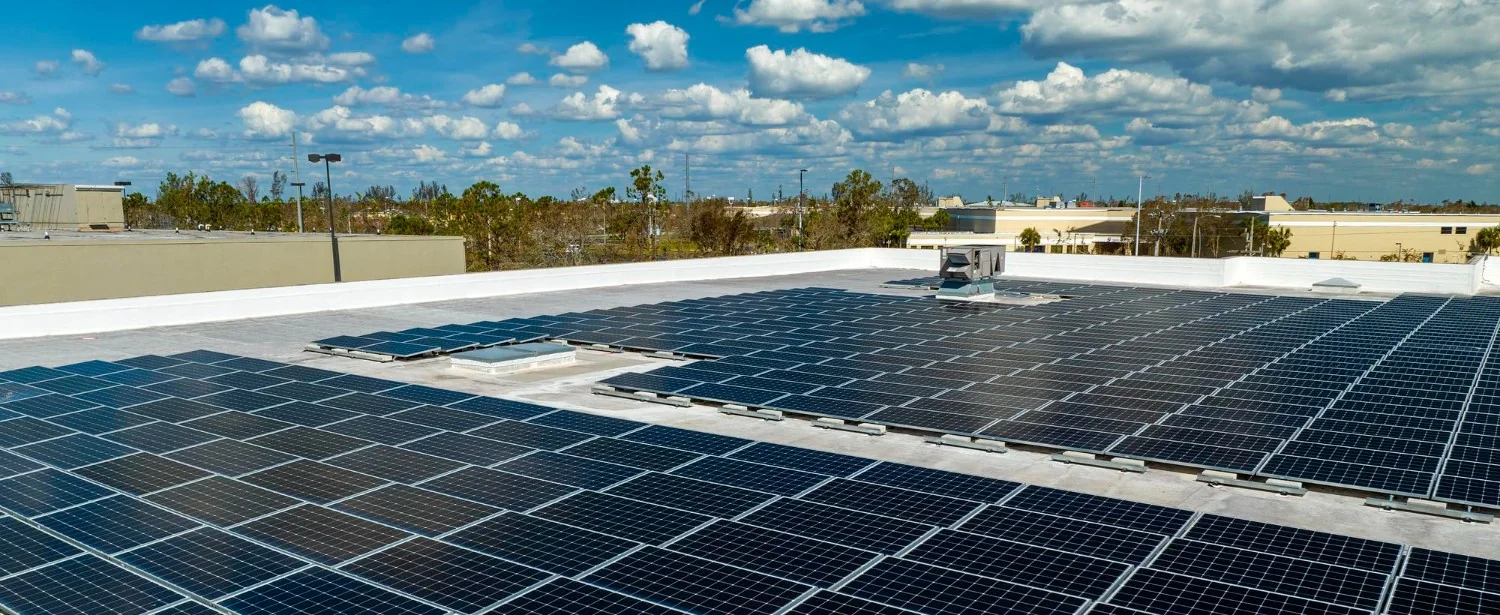
<ul><li><i>India’s rooftop solar capacity reached 30.7 GW in July 2026, increasing the need for better grid management and flexibility.</i></li><li><i>Kerala and Maharashtra are exploring battery ener…
• 𝘛𝘩𝘦 𝘌𝘐𝘉 𝘎𝘳𝘰𝘶𝘱 𝘱𝘭𝘢𝘯𝘴 𝘵𝘰 𝘱𝘳𝘰𝘷𝘪𝘥𝘦 𝘢𝘵 𝘭𝘦𝘢𝘴𝘵 €30 𝘣𝘪𝘭𝘭𝘪𝘰𝘯 𝘧𝘰𝘳 𝘤𝘭𝘪𝘮𝘢𝘵𝘦 𝘢𝘥𝘢𝘱𝘵𝘢𝘵𝘪𝘰𝘯 𝘣𝘦𝘵𝘸𝘦𝘦𝘯 2026 𝘢𝘯𝘥 2030. • 𝘛𝘩𝘦 𝘯𝘦𝘸 𝘵𝘢𝘳𝘨𝘦𝘵 𝘥𝘰𝘶𝘣𝘭𝘦𝘴 𝘢𝘥𝘢𝘱𝘵𝘢𝘵𝘪𝘰𝘯 𝘧𝘪𝘯𝘢𝘯𝘤𝘪𝘯𝘨 𝘤𝘰𝘮𝘱𝘢𝘳𝘦𝘥 𝘸𝘪𝘵𝘩 𝘵𝘩𝘦 𝘱𝘳𝘦𝘷𝘪𝘰𝘶𝘴 𝘧𝘪𝘷𝘦-𝘺𝘦𝘢𝘳 𝘱𝘦𝘳𝘪𝘰𝘥. • 𝘍𝘶𝘯𝘥𝘪𝘯𝘨…