

.jpg)
06 November 2025
Germany’s Bundestag has passed a landmark law enabling large-scale underground carbon storage, declaring CO₂ storage sites and pipelines as being of “overriding public interest” to accelerate planning and approvals. The move is central to Germany’s goal of achieving climate neutrality by 2045, particularly for hard-to-abate sectors such as cement, lime and waste incineration.
The legislation permits carbon capture and storage (CCS) at gas-fired power plants but continues to ban it at coal-fired plants. While onshore storage remains broadly prohibited, individual federal states may opt in by adopting their own laws. Until now, underground CO₂ storage in Germany was allowed only for research purposes.
Industry groups welcomed the reform as a long-awaited step but stressed that federal financial support will be essential to build the CO₂ transport networks needed to scale CCS solutions. Environmental campaigners warned that expanded CCS deployment could weaken incentives to reduce emissions directly at source.
In a separate decision on Thursday, the Bundestag abolished the gas storage levy, a charge introduced after Russia’s 2022 invasion of Ukraine to help fund the strategic filling of gas storage facilities. The German government will now cover remaining costs of up to €3.4 billion through its Climate and Transformation Fund until the end of 2025. The levy had been added to consumer and business gas bills, effectively passing the burden of emergency gas purchases onto end users.
Germany's CCS greenlight signals to hard-to-abate industries across Europe that carbon storage is finally moving from research pilot to commercial-scale infrastructure, particularly for cement, lime and waste-to-energy. Our climate-action and responsible-investment teams help clients evaluate whether CCS fits into a credible net-zero pathway or risks becoming stranded investment as direct-abatement economics improve.

• 𝘛𝘩𝘦 𝘜𝘈𝘌 𝘍𝘰𝘰𝘥 𝘉𝘢𝘯𝘬 𝘢𝘯𝘥 𝘋𝘶𝘣𝘢𝘪’𝘴 𝘊𝘰𝘮𝘮𝘶𝘯𝘪𝘵𝘺 𝘋𝘦𝘷𝘦𝘭𝘰𝘱𝘮𝘦𝘯𝘵 𝘈𝘶𝘵𝘩𝘰𝘳𝘪𝘵𝘺 (𝘊𝘋𝘈) 𝘩𝘢𝘷𝘦 𝘴𝘪𝘨𝘯𝘦𝘥 𝘢𝘯 𝘢𝘨𝘳𝘦𝘦𝘮𝘦𝘯𝘵 𝘵𝘰 𝘤𝘰𝘭𝘭𝘦𝘤𝘵 𝘢𝘯𝘥 𝘳𝘦𝘥𝘪𝘴𝘵𝘳𝘪𝘣𝘶𝘵𝘦 𝘴𝘶𝘳𝘱𝘭𝘶𝘴 𝘧𝘰𝘰𝘥 𝘧𝘳𝘰𝘮 𝘸𝘦𝘥𝘥𝘪𝘯𝘨𝘴 𝘢𝘯𝘥 𝘦𝘷𝘦𝘯𝘵𝘴. • 𝘛𝘩𝘦 𝘪𝘯𝘪𝘵𝘪𝘢𝘵𝘪𝘷𝘦 𝘸𝘪𝘭𝘭 𝘧𝘰𝘭𝘭𝘰𝘸 𝘢𝘱𝘱𝘳𝘰𝘷𝘦𝘥…
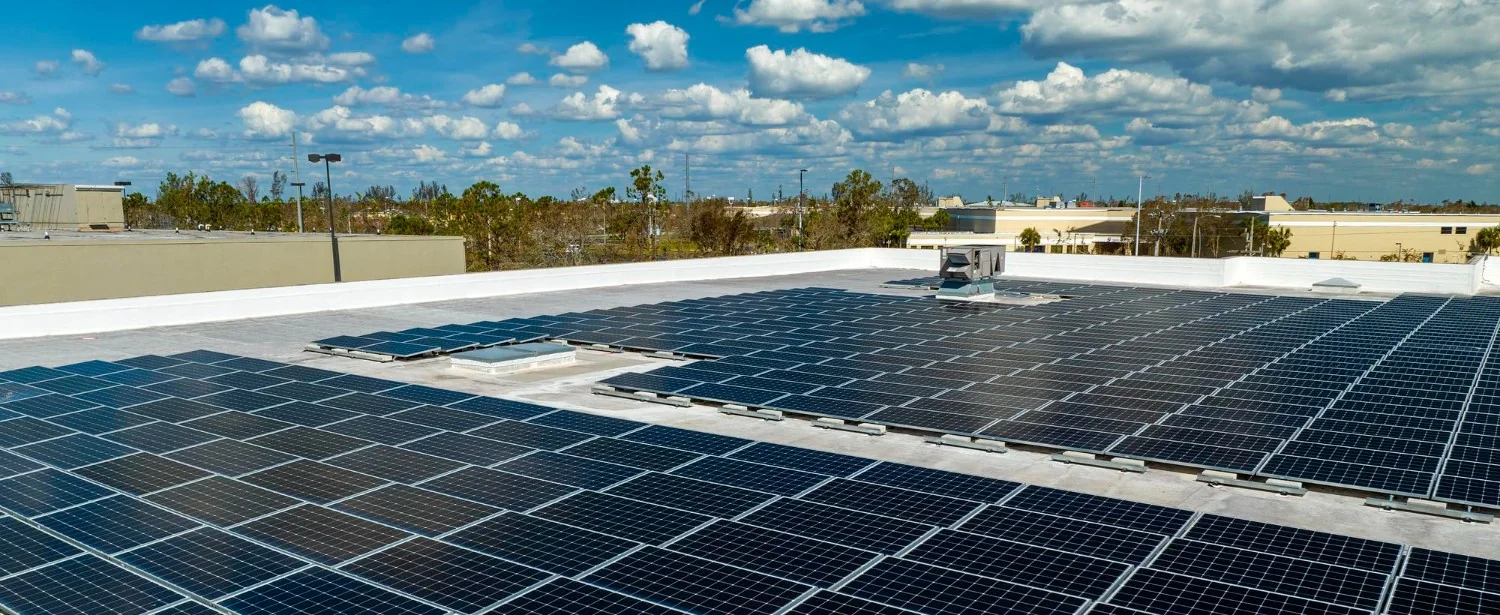
<ul><li><i>India’s rooftop solar capacity reached 30.7 GW in July 2026, increasing the need for better grid management and flexibility.</i></li><li><i>Kerala and Maharashtra are exploring battery ener…

• 𝘛𝘩𝘦 𝘌𝘐𝘉 𝘎𝘳𝘰𝘶𝘱 𝘱𝘭𝘢𝘯𝘴 𝘵𝘰 𝘱𝘳𝘰𝘷𝘪𝘥𝘦 𝘢𝘵 𝘭𝘦𝘢𝘴𝘵 €30 𝘣𝘪𝘭𝘭𝘪𝘰𝘯 𝘧𝘰𝘳 𝘤𝘭𝘪𝘮𝘢𝘵𝘦 𝘢𝘥𝘢𝘱𝘵𝘢𝘵𝘪𝘰𝘯 𝘣𝘦𝘵𝘸𝘦𝘦𝘯 2026 𝘢𝘯𝘥 2030. • 𝘛𝘩𝘦 𝘯𝘦𝘸 𝘵𝘢𝘳𝘨𝘦𝘵 𝘥𝘰𝘶𝘣𝘭𝘦𝘴 𝘢𝘥𝘢𝘱𝘵𝘢𝘵𝘪𝘰𝘯 𝘧𝘪𝘯𝘢𝘯𝘤𝘪𝘯𝘨 𝘤𝘰𝘮𝘱𝘢𝘳𝘦𝘥 𝘸𝘪𝘵𝘩 𝘵𝘩𝘦 𝘱𝘳𝘦𝘷𝘪𝘰𝘶𝘴 𝘧𝘪𝘷𝘦-𝘺𝘦𝘢𝘳 𝘱𝘦𝘳𝘪𝘰𝘥. • 𝘍𝘶𝘯𝘥𝘪𝘯𝘨…