


27 May 2026
Gulf Cooperation Council (GCC) countries are accelerating tourism expansion while increasingly integrating sustainability, eco-tourism and climate-resilient infrastructure into their long-term economic strategies. Nations including Bahrain, the UAE, Saudi Arabia, Qatar, Oman and Kuwait are investing heavily in sustainable aviation systems, green hospitality projects, smart transport networks and tourism infrastructure to diversify beyond oil-dependent economies.
Saudi Arabia continues to advance large-scale tourism developments under Vision 2030, including NEOM and the Red Sea Project, with a focus on renewable energy integration and sustainable urban planning.
Oman is expanding eco-tourism and low-impact travel experiences, while Qatar is utilizing post-World Cup infrastructure to support high-value tourism growth. Bahrain and Kuwait are also strengthening tourism through airport modernization, hospitality investments and regional connectivity initiatives.
However, rising geopolitical tensions in the Middle East are creating challenges for sustainable tourism growth across the GCC. Industry experts warn that regional instability could affect traveler confidence, aviation operations and tourism revenues, highlighting the need for resilient, diversified and sustainability-focused tourism systems across the region.
GCC tourism expansion under Vision-style national frameworks (Saudi Vision 2030, UAE Vision 2031, Qatar National Vision 2030, Oman Vision 2040) represents substantial capital deployment across sustainability-integrated hospitality, aviation, urban and cultural infrastructure. Post-World Cup Qatar infrastructure, NEOM and Red Sea Project developments, and expanded Bahraini and Kuwaiti aviation-and-hospitality investment collectively create a multi-decade regional pipeline.
The geopolitical-risk overlay is genuine. Middle East regional stability directly affects tourist confidence, aviation operations and hospitality demand. Successful sustainable-tourism development requires that infrastructure investment resilience is designed for both climate and geopolitical shock exposure - a dual-risk framework that few tourism development plans have historically incorporated explicitly.
For hospitality operators, tourism-infrastructure developers, aviation stakeholders and financial institutions supporting Gulf sustainable-tourism investment, Cognitud's nature-based solutions, market intelligence and sustainability due diligence teams help clients evaluate diversified investment opportunities across GCC markets, structure resilience-and-sustainability integrated commercial arrangements, and prepare disclosures aligned with GSTC, CSRD and jurisdictional tourism-sustainability frameworks that increasingly determine competitive positioning across Gulf hospitality markets.

• 𝘛𝘩𝘦 𝘜𝘈𝘌 𝘍𝘰𝘰𝘥 𝘉𝘢𝘯𝘬 𝘢𝘯𝘥 𝘋𝘶𝘣𝘢𝘪’𝘴 𝘊𝘰𝘮𝘮𝘶𝘯𝘪𝘵𝘺 𝘋𝘦𝘷𝘦𝘭𝘰𝘱𝘮𝘦𝘯𝘵 𝘈𝘶𝘵𝘩𝘰𝘳𝘪𝘵𝘺 (𝘊𝘋𝘈) 𝘩𝘢𝘷𝘦 𝘴𝘪𝘨𝘯𝘦𝘥 𝘢𝘯 𝘢𝘨𝘳𝘦𝘦𝘮𝘦𝘯𝘵 𝘵𝘰 𝘤𝘰𝘭𝘭𝘦𝘤𝘵 𝘢𝘯𝘥 𝘳𝘦𝘥𝘪𝘴𝘵𝘳𝘪𝘣𝘶𝘵𝘦 𝘴𝘶𝘳𝘱𝘭𝘶𝘴 𝘧𝘰𝘰𝘥 𝘧𝘳𝘰𝘮 𝘸𝘦𝘥𝘥𝘪𝘯𝘨𝘴 𝘢𝘯𝘥 𝘦𝘷𝘦𝘯𝘵𝘴. • 𝘛𝘩𝘦 𝘪𝘯𝘪𝘵𝘪𝘢𝘵𝘪𝘷𝘦 𝘸𝘪𝘭𝘭 𝘧𝘰𝘭𝘭𝘰𝘸 𝘢𝘱𝘱𝘳𝘰𝘷𝘦𝘥…
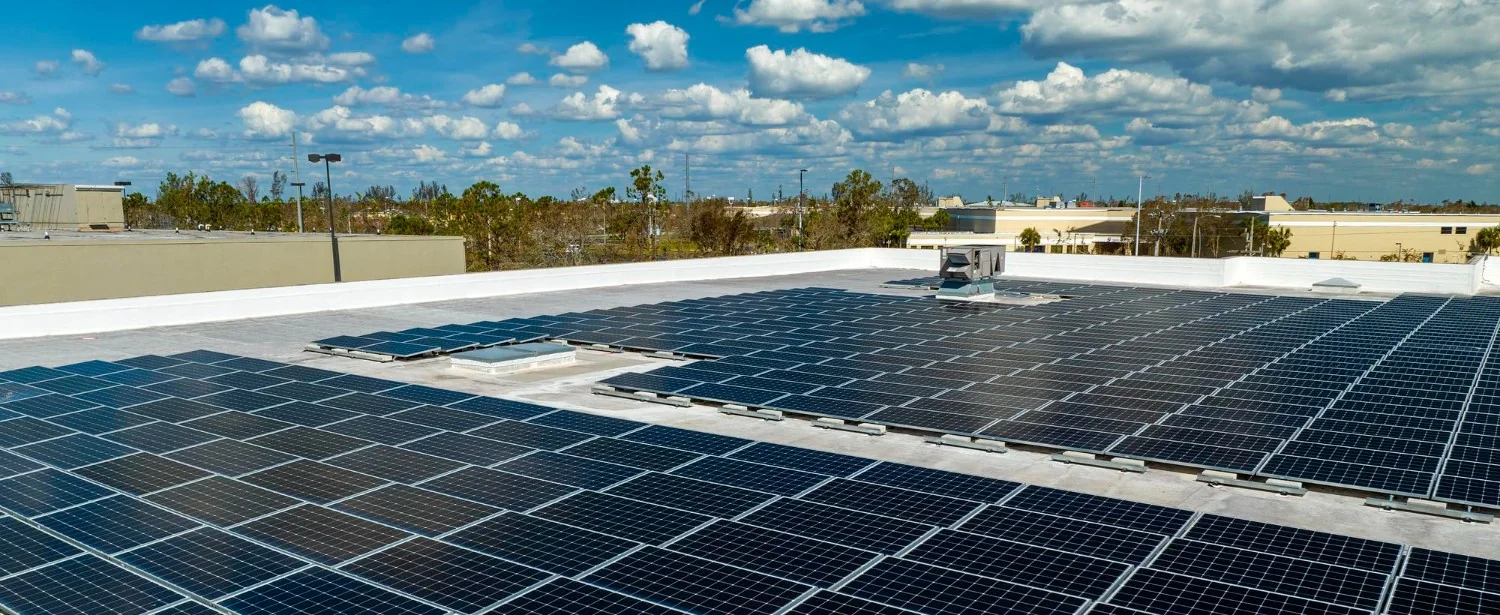
<ul><li><i>India’s rooftop solar capacity reached 30.7 GW in July 2026, increasing the need for better grid management and flexibility.</i></li><li><i>Kerala and Maharashtra are exploring battery ener…

• 𝘛𝘩𝘦 𝘌𝘐𝘉 𝘎𝘳𝘰𝘶𝘱 𝘱𝘭𝘢𝘯𝘴 𝘵𝘰 𝘱𝘳𝘰𝘷𝘪𝘥𝘦 𝘢𝘵 𝘭𝘦𝘢𝘴𝘵 €30 𝘣𝘪𝘭𝘭𝘪𝘰𝘯 𝘧𝘰𝘳 𝘤𝘭𝘪𝘮𝘢𝘵𝘦 𝘢𝘥𝘢𝘱𝘵𝘢𝘵𝘪𝘰𝘯 𝘣𝘦𝘵𝘸𝘦𝘦𝘯 2026 𝘢𝘯𝘥 2030. • 𝘛𝘩𝘦 𝘯𝘦𝘸 𝘵𝘢𝘳𝘨𝘦𝘵 𝘥𝘰𝘶𝘣𝘭𝘦𝘴 𝘢𝘥𝘢𝘱𝘵𝘢𝘵𝘪𝘰𝘯 𝘧𝘪𝘯𝘢𝘯𝘤𝘪𝘯𝘨 𝘤𝘰𝘮𝘱𝘢𝘳𝘦𝘥 𝘸𝘪𝘵𝘩 𝘵𝘩𝘦 𝘱𝘳𝘦𝘷𝘪𝘰𝘶𝘴 𝘧𝘪𝘷𝘦-𝘺𝘦𝘢𝘳 𝘱𝘦𝘳𝘪𝘰𝘥. • 𝘍𝘶𝘯𝘥𝘪𝘯𝘨…