


10 October 2025
The European Parliament has tentatively agreed with its two largest political groups - the European People’s Party and the Party of European Socialists - to introduce a second Omnibus package that substantially narrows the scope of sustainable reporting obligations.
Under the newly proposed amendment to the Corporate Sustainability Reporting Directive (CSRD), only companies with at least 5,000 employees and a turnover of €1,500 million or more will be subject to the requirements.
This marks a dramatic shift from the initial proposal, which had targeted firms with more than 1,000 employees and a turnover threshold of €450 million.
The revised regulation is slated to come into force in 2027, following earlier delays approved by the European Parliament. In the same legislative move, due diligence requirements-designed to ensure companies address their environmental and social impacts across their supply chains-have also been postponed and given flexibility in national transposition, with member states having until July 26, 2027 to implement them.
Critics argue that the second Omnibus represents a rollback of EU sustainability ambitions. Earlier this year, the European Commission also withdrew its proposal for regulating environmental claims and labels, citing concerns over enforcement and industry pressures. The next stages for the updated text include votes in the Legal Affairs Committee and plenary sessions, with final negotiations expected by year’s end.
EPP-PSE tentative agreement raising CSRD thresholds to 5,000 employees and €1,500 million turnover from the earlier 1,000/€450 million represents very substantial scope reduction. The narrowed scope combined with CSDDD delay through July 2027 transposition captures the wider political rebalancing of EU sustainability regulatory ambition.
For companies previously in scope under the 1,000/€450 million threshold but now out of scope under 5,000/€1,500 million, the strategic question is whether to sustain preparation infrastructure or wind it down. Companies with substantial EU customer or investor exposure typically face voluntary-disclosure pressure regardless of legal requirement; complete wind-down risks costly rebuild if requirements shift again.
For corporates across all CSRD threshold-scenarios, financial institutions with CSRD-scope portfolio exposure and their compliance advisors, Cognitud's ESG strategy and transformation, sustainability due diligence and market intelligence teams help clients evaluate exposure under revised Omnibus thresholds, structure sustainability-reporting infrastructure robust across regulatory scenarios and voluntary-disclosure demand, and prepare disclosures aligned with revised CSRD, ISSB and jurisdictional sustainability-reporting frameworks.

• 𝘛𝘩𝘦 𝘜𝘈𝘌 𝘍𝘰𝘰𝘥 𝘉𝘢𝘯𝘬 𝘢𝘯𝘥 𝘋𝘶𝘣𝘢𝘪’𝘴 𝘊𝘰𝘮𝘮𝘶𝘯𝘪𝘵𝘺 𝘋𝘦𝘷𝘦𝘭𝘰𝘱𝘮𝘦𝘯𝘵 𝘈𝘶𝘵𝘩𝘰𝘳𝘪𝘵𝘺 (𝘊𝘋𝘈) 𝘩𝘢𝘷𝘦 𝘴𝘪𝘨𝘯𝘦𝘥 𝘢𝘯 𝘢𝘨𝘳𝘦𝘦𝘮𝘦𝘯𝘵 𝘵𝘰 𝘤𝘰𝘭𝘭𝘦𝘤𝘵 𝘢𝘯𝘥 𝘳𝘦𝘥𝘪𝘴𝘵𝘳𝘪𝘣𝘶𝘵𝘦 𝘴𝘶𝘳𝘱𝘭𝘶𝘴 𝘧𝘰𝘰𝘥 𝘧𝘳𝘰𝘮 𝘸𝘦𝘥𝘥𝘪𝘯𝘨𝘴 𝘢𝘯𝘥 𝘦𝘷𝘦𝘯𝘵𝘴. • 𝘛𝘩𝘦 𝘪𝘯𝘪𝘵𝘪𝘢𝘵𝘪𝘷𝘦 𝘸𝘪𝘭𝘭 𝘧𝘰𝘭𝘭𝘰𝘸 𝘢𝘱𝘱𝘳𝘰𝘷𝘦𝘥…
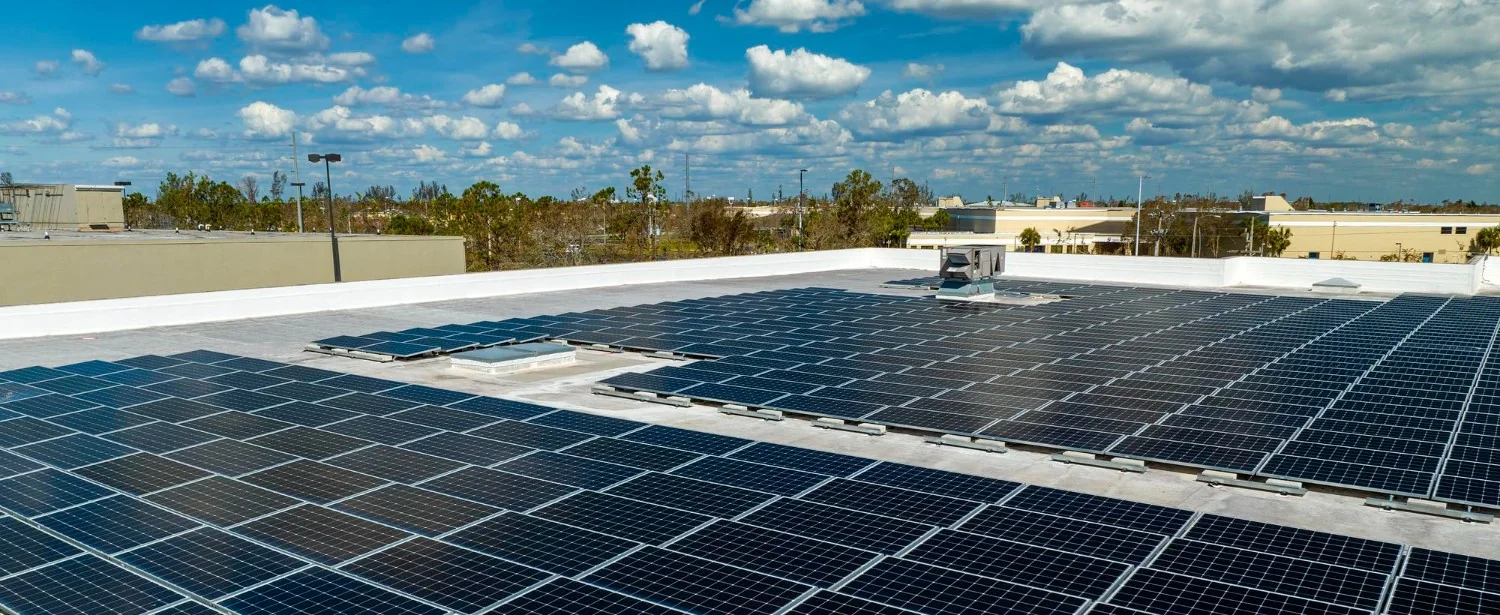
<ul><li><i>India’s rooftop solar capacity reached 30.7 GW in July 2026, increasing the need for better grid management and flexibility.</i></li><li><i>Kerala and Maharashtra are exploring battery ener…

• 𝘛𝘩𝘦 𝘌𝘐𝘉 𝘎𝘳𝘰𝘶𝘱 𝘱𝘭𝘢𝘯𝘴 𝘵𝘰 𝘱𝘳𝘰𝘷𝘪𝘥𝘦 𝘢𝘵 𝘭𝘦𝘢𝘴𝘵 €30 𝘣𝘪𝘭𝘭𝘪𝘰𝘯 𝘧𝘰𝘳 𝘤𝘭𝘪𝘮𝘢𝘵𝘦 𝘢𝘥𝘢𝘱𝘵𝘢𝘵𝘪𝘰𝘯 𝘣𝘦𝘵𝘸𝘦𝘦𝘯 2026 𝘢𝘯𝘥 2030. • 𝘛𝘩𝘦 𝘯𝘦𝘸 𝘵𝘢𝘳𝘨𝘦𝘵 𝘥𝘰𝘶𝘣𝘭𝘦𝘴 𝘢𝘥𝘢𝘱𝘵𝘢𝘵𝘪𝘰𝘯 𝘧𝘪𝘯𝘢𝘯𝘤𝘪𝘯𝘨 𝘤𝘰𝘮𝘱𝘢𝘳𝘦𝘥 𝘸𝘪𝘵𝘩 𝘵𝘩𝘦 𝘱𝘳𝘦𝘷𝘪𝘰𝘶𝘴 𝘧𝘪𝘷𝘦-𝘺𝘦𝘢𝘳 𝘱𝘦𝘳𝘪𝘰𝘥. • 𝘍𝘶𝘯𝘥𝘪𝘯𝘨…